The Shiba Inu has become one of the internet’s most recognizable dogs — from the famous “Doge” meme to its consistent presence in viral dog videos, this compact Japanese spitz-type breed has built a global following. In India, Shiba Inu popularity has grown significantly between 2022 and 2026, with urban pet owners drawn to their fox-like appearance, manageable size, and independent personalities. But owning a Shiba Inu is a very different experience from owning most other popular breeds in India, and understanding what you’re getting into — including realistic pricing — is essential before bringing one home.
Shiba Inu dog prices in India in 2026 are higher than most comparable-sized breeds, primarily because they remain relatively rare here and quality specimens are largely imported or bred from imported stock. This guide covers current city-wise prices, what affects the cost, monthly maintenance, and the most important things first-time Shiba owners in India need to know.
| Category | Detail |
| Breed Name | Shiba Inu (Shiba Ken) |
| Origin | Japan (one of the six original Nihon-ken breeds) |
| Size | Small-Medium (7 – 11 kg; 35 – 43 cm) |
| Lifespan | 13 – 16 years |
| Temperament | Bold, spirited, alert, clean, independent, loyal but reserved |
| Coat Type | Double coat — stiff outer, soft undercoat; heavy seasonal shedding |
| Suitable For | Active owners, apartments (with sufficient exercise), experienced owners |
| Price Range India (2026) | Rs. 40,000 – Rs. 1,50,000+ |
| KCI Registered / Import Quality | Rs. 70,000 – Rs. 1,50,000+ |
| Monthly Maintenance | Rs. 5,000 – Rs. 12,000 |
| Famous For | “Doge” meme, dramatic “Shiba scream”, extreme cleanliness |
Shiba Inu Price in India 2026 – City-Wise Breakdown
Shiba Inus are among the more expensive breeds in India in 2026, reflecting their relative rarity, the cost of importing quality breeding stock, and the specialized care they require. The price table below is based on market observations across India from reputable breeders and verified import agents as of early 2026. Prices significantly below these ranges typically indicate mixed bloodlines or unverified breeding practices.
| City / Category | Min Price (INR) | Max Price (INR) |
| Delhi / NCR | Rs. 50,000 | Rs. 1,20,000 |
| Mumbai | Rs. 55,000 | Rs. 1,30,000 |
| Bangalore | Rs. 45,000 | Rs. 1,10,000 |
| Hyderabad | Rs. 45,000 | Rs. 1,10,000 |
| Chennai | Rs. 40,000 | Rs. 1,00,000 |
| Kolkata | Rs. 40,000 | Rs. 90,000 |
| Pune | Rs. 45,000 | Rs. 1,10,000 |
| Tier-2 Cities | Rs. 35,000 | Rs. 75,000 |
| Imported (Japan / Europe / US) | Rs. 80,000 | Rs. 1,50,000+ |
| KCI Registered / Show Quality | Rs. 70,000 | Rs. 1,50,000+ |
Shiba Inus in red (sesame red), black-and-tan, and cream are available in India. Red is the most common and sought after. Cream Shibas, while beautiful, are considered a fault in show rings per the Japanese breed standard (Nihon Ken Hozonkai standard) but are popular as pets. Verify that any “Shiba Inu” purchase is not actually a mixed breed — Shiba-like mixed breeds are sometimes sold at lower prices under the Shiba name.
About the Shiba Inu
The Shiba Inu is Japan’s smallest and most ancient native breed — one of six designated Nihon-ken (Japanese dog) breeds, which include the Akita, Kishu, Shikoku, Kai Ken, and Hokkaido. Originally bred in the mountainous Chugoku region of Japan for hunting small game, the Shiba has preserved its primitive characteristics — independence, keen instincts, remarkable cleanliness (they groom themselves almost cat-like), and a reserved dignity that makes them unlike any other small breed commonly available in India.
The breed nearly went extinct during World War II, when bombing campaigns devastated the Japanese countryside and post-war distemper epidemics further reduced numbers. Recovery programs in the late 1940s and 1950s used the three remaining bloodlines (the Shinshu, Mino, and San’in) to restore the breed, which was designated a Japanese Natural Monument in 1936.
Globally, the Shiba became internationally famous through internet culture — the “Doge” meme featuring a Shiba Inu named Kabosu went viral in 2013 and has been a persistent fixture of internet culture ever since, providing an unusual but effective promotional platform for the breed.
Shiba Inu Temperament — What to Really Expect
The Shiba Inu is often misrepresented by its cute appearance. New owners expecting a cuddly, eager-to-please small dog often encounter something rather different: a cat-like, deeply independent animal with a strong sense of personal dignity, excellent memory, and a distinct opinion about what it will and will not do. This is not a criticism — it is a characteristic that devoted Shiba owners find endearing and fascinating. But it demands honesty in expectation-setting.
The “Shiba Scream”: Shibas are known for an extremely high-pitched vocalization — the “Shiba scream” — that they produce when unhappy, during baths, nail trimming, or other activities they object to. It is dramatic, genuine, and can be alarming to unprepared owners and neighbors alike.
Prey Drive: High. Shibas have strong hunting instincts and will chase birds, squirrels, cats, and other small animals with complete focus. A Shiba must always be on a leash or in a securely enclosed space when outdoors. Recall (coming when called) is generally unreliable off-leash — this is a breed characteristic, not a training failure.
With Other Dogs: Shibas can be dog-selective and may not enjoy the company of other dogs as much as more social breeds. Socialization from 8 weeks onward is critical. Same-sex aggression, particularly between females, is documented in the breed.
With People: Devoted and deeply affectionate with their immediate family, reserved or indifferent with strangers. They are not the type to run up to guests for belly rubs. They observe, assess, and engage on their own terms — much like a cat.
Shiba Inu in India’s Climate
Shiba Inus have a double coat that sheds heavily twice a year and moderately year-round. India’s heat can be challenging, though Shibas manage better than Arctic-origin breeds like Huskies. In hot and humid coastal cities (Mumbai, Chennai, Kochi), air conditioning during peak summer hours (April-June) is strongly recommended. In Bangalore, Pune, or hill stations, the climate is much more naturally suitable.
Summer Management: Early morning and late evening walks only during April-June. Fresh cool water always available. AC or well-ventilated indoor space mandatory during midday heat. Do not leave in cars or outdoor kennels without shade and ventilation.
Grooming in Indian Humidity: The dense undercoat can trap moisture in humid conditions. Weekly brushing reduces this risk. Professional grooming once every 6-8 weeks. Ensure the dog is completely dry after baths to prevent skin infections under the dense coat.
Shiba Inu Health
Shibas are generally a healthy, robust breed with one of the longer lifespans among dogs (13-16 years common for well-cared-for specimens). They are significantly healthier than many Western breeds that have been heavily line-bred for aesthetics. Known health considerations include:
Allergies: Shibas have a relatively high incidence of environmental and food allergies, which can manifest as skin irritation, itching, and ear infections. Identifying and eliminating allergens early prevents significant discomfort.
Hip Dysplasia: Present in the breed but at lower rates than in many larger breeds. Reputable breeders screen parents.
Luxating Patella: Common in smaller breeds including the Shiba — check with breeder regarding parental screening.
Eye Conditions: Progressive Retinal Atrophy (PRA) can occur — reputable breeders screen for this.
Factors That Affect the Price
- Coat Color: Red (most common and sought after), black-and-tan, sesame (red with black overlay), and cream. Red Shibas typically command the highest prices. Cream is popular as a pet but considered a fault in show rings.
- Bloodline & Import Source: Shibas from Japanese bloodlines (via the Nihon Ken Hozonkai — NIPPO) are considered the gold standard. European bloodlines are also reputable. Indian-bred Shibas are increasingly available but quality varies.
- KCI Registration: KCI-registered Shibas from documented bloodlines command Rs. 70,000+ as a starting price. This registration is important for buyers interested in showing or breeding.
- Import Status: Recently imported Shibas from Japan or Europe cost significantly more but offer the highest bloodline certainty. Import costs add Rs. 50,000-Rs. 1,00,000 to the purchase price.
- Age: 8-12 week puppies command highest prices. Older adolescent Shibas can sometimes be sourced at reduced cost from breeders or Shiba rescue networks.
Monthly Maintenance Cost in India (2026 Estimate)
- Premium Dog Food (small/medium breed): Rs. 2,000 – Rs. 4,500/month (Shibas can have food sensitivities — may require specialized diet)
- Grooming: Rs. 800 – Rs. 1,500 per session; every 6-8 weeks professionally, weekly brushing at home
- Veterinary Care: Rs. 6,000 – Rs. 15,000 annually for routine care
- Allergy Management (if applicable): Rs. 2,000 – Rs. 5,000/month if allergies present — hypoallergenic food, supplements
- Vaccinations & Preventives: Rs. 2,000 – Rs. 4,000 annually
- Accessories & Enrichment: Rs. 800 – Rs. 2,000/month (puzzle toys, quality harness — Shibas need mental stimulation)
- Total Estimated Monthly Cost: Rs. 5,000 – Rs. 12,000 per month
Frequently Asked Questions (FAQs)
Q1. What is the Shiba Inu price in India in 2026?
Ans: Shiba Inu prices in India in 2026 range from approximately Rs. 40,000 to Rs. 1,30,000 for pet-quality puppies from reputable sources, depending on city and bloodline. KCI-registered or imported show-quality Shibas range from Rs. 70,000 to Rs. 1,50,000 or more. Be very wary of prices below Rs. 30,000 — these likely indicate mixed bloodlines or poor breeding.
Q2. Is a Shiba Inu easy to train?
Ans: Compared to highly obedience-oriented breeds like German Shepherds or Labradors, Shibas are considerably more challenging to train because of their independence and “what’s in it for me?” attitude. They are intelligent but not intrinsically motivated to please their owner. Positive reinforcement training with high-value treats works best. Basic obedience is achievable; off-leash reliability is not realistic for most Shibas.
Q3. Are Shiba Inus good apartment dogs in India?
Ans: They can work in apartments if the owner commits to sufficient daily exercise (30-45 minutes of brisk walking or running plus mental stimulation at home). Shibas are actually naturally clean and relatively quiet indoors when their exercise needs are met. However, the “Shiba scream” and high prey drive toward animals seen through windows can be a consideration in densely packed apartment buildings.
Q4. Are Shiba Inus good with children?
Ans: Shibas can be good with children who understand respectful dog interaction — they do not appreciate being grabbed, poked, or approached in a rowdy manner. They are better suited to homes with older children (8+ years) who can be taught appropriate dog etiquette. With proper socialization, they are patient and affectionate with their family’s children.
Q5. How do I verify a Shiba Inu’s purity in India?
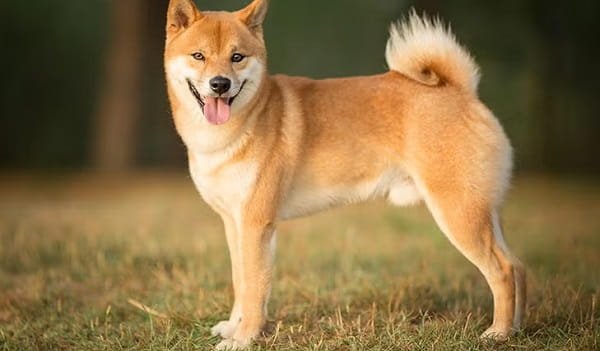
Ans: Request complete pedigree documentation going back at least 3 generations, KCI registration papers, or import documentation. A purebred Shiba Inu will have the characteristic “urajiro” (cream-to-white ventral coloring on cheeks, chest, belly, and inside of legs), a curled or sickle tail, triangular erect ears, and almond-shaped eyes. Meet the breeder in person, see the parents if possible, and consider having a veterinarian with breed knowledge assess the puppy. DNA breed testing (available in India through several labs) can confirm breed composition if papers are absent.
Conclusion
The Shiba Inu is a genuinely unique dog ownership experience — one that rewards patient, experienced owners who appreciate an animal with dignity, independence, and an almost feline sense of self. In India in 2026, the Shiba remains a premium breed both in purchase price and in ongoing care requirements. But for owners who research thoroughly, find a reputable source, and enter the relationship with realistic expectations, the Shiba Inu offers 13-16 years of spirited, fascinating, deeply loyal companionship unlike anything else you can find on four legs. They are, to borrow from the internet’s judgment on the matter, very wow.