In today’s digital world, where almost every aspect of our lives — from banking and shopping to communication and work — happens online, cybersecurity is no longer optional. Cyber threats like phishing, ransomware, identity theft, and data breaches are increasing rapidly. The good news is that by following some essential practices, you can significantly reduce your risk of becoming a victim. Here are the Top 5 Cybersecurity Tips to Stay Safe Online in 2026 that every internet user should follow.
1. Use Strong, Unique Passwords and Enable Two-Factor Authentication (2FA)
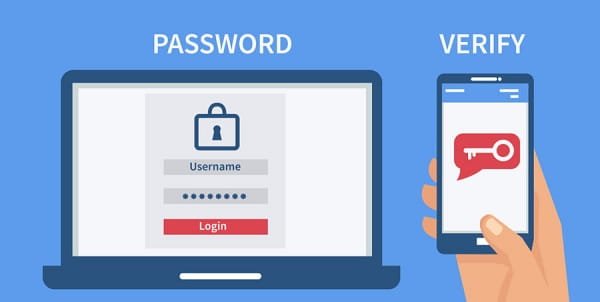
One of the simplest yet most effective ways to protect your accounts is by using strong and unique passwords for every online service. Avoid common passwords like “123456” or your birthdate. Instead, create long, complex passwords that include a mix of uppercase and lowercase letters, numbers, and special symbols.
Using a password manager is highly recommended as it can generate and securely store strong passwords for all your accounts. Even more important is enabling Two-Factor Authentication (2FA) or Multi-Factor Authentication (MFA) wherever available. This adds an extra layer of security by requiring a second verification step, usually through your phone or an authenticator app. Even if someone steals your password, they won’t be able to access your account without the second factor.
2. Be Extremely Vigilant Against Phishing Attacks
Phishing remains one of the most common and successful cyber attacks. Hackers send fake emails, messages, or create spoofed websites that look legitimate to trick you into revealing sensitive information like passwords, bank details, or OTPs.
Key Tips to Avoid Phishing:
- Never click on suspicious links or download attachments from unknown sources.
- Always double-check email addresses and website URLs carefully.
- Avoid entering personal or financial information on pop-up windows.
- Use browser extensions that can detect and block phishing attempts.
When in doubt, contact the organization directly through their official website or helpline instead of replying to suspicious messages.
3. Keep All Software and Devices Updated
Regular software updates are critical for cybersecurity. Hackers often exploit known vulnerabilities in outdated operating systems, apps, and browsers. Enable automatic updates for your operating system (Windows, macOS, Android, iOS), web browsers, and all frequently used applications.
Updates often include important security patches that protect you from newly discovered threats. Make it a habit to update your devices and apps regularly, especially after major vulnerabilities are announced.
4. Install Reliable Antivirus and Security Software
A good antivirus or internet security suite is your first line of defense against malware, ransomware, spyware, and other threats. In 2026, choose a reputable security solution that offers real-time protection, firewall, VPN, and dark web monitoring features.
Recommended Practices:
- Install trusted antivirus software and keep it updated.
- Use a Virtual Private Network (VPN) when connecting to public Wi-Fi networks.
- Enable firewall protection on all your devices.
- Avoid downloading pirated software or visiting suspicious websites.
A strong security tool combined with safe browsing habits significantly reduces your risk of infection.
5. Practice Safe Online Behavior and Protect Your Privacy
Good cybersecurity also depends on mindful daily habits:
- Be cautious about sharing personal information on social media.
- Review and tighten privacy settings on all your accounts regularly.
- Only use secure websites (look for “https://” and the padlock icon).
- Avoid logging into sensitive accounts on public computers.
- Regularly back up important data to an external drive or secure cloud service.
Educate your family members, especially children and elderly relatives, about basic cybersecurity practices. They are often the most vulnerable targets for cybercriminals.
Comparison: Essential Cybersecurity Habits
| Tip | Importance | Ease of Implementation | Long-term Impact |
| Strong Passwords + 2FA | Very High | Medium | Extremely High |
| Avoid Phishing | Very High | High | Extremely High |
| Regular Updates | High | High | Very High |
| Antivirus Software | High | High | Very High |
| Safe Online Behavior | High | Medium | High |
Final Thoughts
Cybersecurity is not about being paranoid — it’s about being smart and responsible. By following these five essential tips, you can dramatically reduce your chances of falling victim to cybercrime. Remember that no single tool or method can guarantee 100% safety. The key is to combine good habits, reliable tools, and continuous awareness.
Start implementing these practices today. Small consistent efforts in cybersecurity can save you from major headaches, financial losses, and stress in the future. Protect yourself online the same way you lock your house — with care and consistency.
Frequently Asked Questions (FAQs)
Q: What is the most important cybersecurity tip for beginners?
A: Using strong, unique passwords combined with Two-Factor Authentication is the most important basic protection.
Q: How often should I update my software and devices?
A: Enable automatic updates so your devices stay protected with the latest security patches as soon as they are released.
Q: Is free antivirus software sufficient?
A: Basic free versions offer decent protection for casual users, but paid versions provide better features like ransomware protection and dark web monitoring.
Q: Should I use a VPN all the time?
A: It is highly recommended to use a reputable VPN, especially when using public Wi-Fi or accessing sensitive information.
Q: What should I do if I suspect my account has been hacked?
A: Immediately change your password, enable 2FA, scan your device for malware, and monitor all connected accounts for suspicious activity.
Staying safe online is easier than most people think. Start building strong digital habits today and enjoy a safer, more secure internet experience.