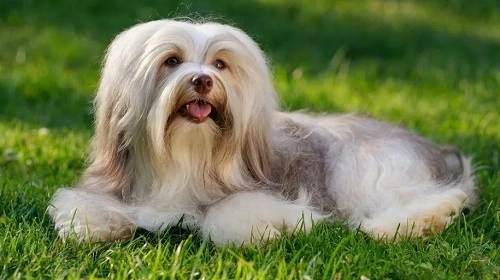
Imagine a small, fluffy dog with bright expressive eyes, a silky long coat, and a personality that could charm even the most reluctant dog sceptic. That is the Havanese — Cuba’s national dog and one of the world’s most lovable companion breeds. In India, the Havanese remains a rare but increasingly sought-after breed, particularly among urban apartment dwellers who want a hypoallergenic, low-shedding companion.
Understanding the Havanese dog price in India in 2026 requires looking beyond just the purchase tag. This guide covers everything from current pricing across cities to the monthly cost of keeping a Havanese happy and healthy, along with tips to find ethical breeders in India.
| Topic | Details |
| Breed Name | Havanese |
| Origin | Cuba (National Dog of Cuba) |
| Average Price (India) | ₹25,000 – ₹90,000 |
| KCI Registered Price | ₹35,000 – ₹60,000 |
| Show Quality Price | ₹60,000 – ₹90,000+ |
| Monthly Maintenance | ₹4,000 – ₹9,000 |
| Life Expectancy | 14 – 16 years |
| Size | Small (3–6 kg) |
| Temperament | Cheerful, Social, Gentle, Playful |
| Special Feature | Hypoallergenic, Low shedding |
Havanese Price in India
The Havanese is considered a rare breed in India, which contributes to its higher price compared to more common breeds like Labrador or Beagle. In 2026, Havanese puppies in India are priced as follows:
| Quality Tier | Price Range (INR) | Notes |
| Basic / Pet Quality | ₹25,000 – ₹35,000 | Non-KCI, limited health docs |
| KCI Registered | ₹35,000 – ₹60,000 | Pedigree certified, health tested |
| Show Quality | ₹60,000 – ₹90,000+ | Show-ready, champion parentage |
| Imported / Top Champion Line | ₹90,000 – ₹1,50,000 | Rare, direct imports or imported parents |
Havanese Dog City-Wise Price in India
Due to the Havanese’s rarity in India, prices tend to vary less across cities than more popular breeds, but availability is the primary challenge.
| City | Estimated Price Range (INR) |
| Delhi / NCR | ₹35,000 – ₹90,000 |
| Mumbai / Pune | ₹40,000 – ₹90,000+ |
| Bengaluru | ₹30,000 – ₹80,000 |
| Hyderabad | ₹28,000 – ₹75,000 |
| Other Cities | ₹25,000 – ₹70,000 |
Monthly Cost of Owning a Havanese in India
| Expense | Monthly Estimated Cost (INR) |
| Quality Small Breed Food | ₹1,500 – ₹3,000 |
| Professional Grooming | ₹1,000 – ₹2,500 |
| Vet Check-ups & Vaccines | ₹500 – ₹1,200 |
| Training & Mental Stimulation | ₹500 – ₹1,000 |
| Accessories & Toys | ₹300 – ₹800 |
| Total Monthly Estimate | ₹3,800 – ₹8,500 |
Breed Overview: Havanese Temperament & Lifestyle
The Havanese evolved from Spanish water dogs brought to Cuba in the 18th century, eventually becoming a cherished companion of Cuban nobility and, over time, dog lovers worldwide. They are officially recognised by the AKC, FCI, and KCI.
One of the most distinctive features of the Havanese is its silky, profuse coat — which, unlike most double-coated breeds, does not shed significantly. This makes the breed particularly suitable for allergy sufferers, a considerable advantage in Indian homes. Their coat, however, requires regular grooming to prevent tangles and matting.
Havanese dogs are deeply people-oriented. They do not do well when left alone for long periods and can develop separation anxiety. They are also surprisingly trainable, quick to pick up commands, and enjoy canine sports like agility and rally obedience. Their cheerful, adaptable nature makes them equally suitable for lively family homes and quieter single-owner households.
Factors That Affect Havanese Price in India
- Rarity: The Havanese is a rare breed in India with very few ethical breeders, which drives up the price.
- KCI Pedigree: Certified pedigrees from reputable Indian or international kennel clubs command higher prices.
- Breeder’s Track Record: Established breeders with champion lineage and long breeding histories charge a premium.
- Coat Colour: Standard colours (black, white, chocolate) are common; rarer colours like silver or chocolate-sable are pricier.
- Import Status: Pups from imported parents — particularly those brought from Cuba, the USA, or Europe — are the most expensive.
- Health Testing: Breeders who conduct genetic health tests for BAER (hearing) and eye disorders charge more, rightly so.
Common Health Issues in Havanese Dogs
- Patellar Luxation: Common in small breeds; affects mobility if untreated.
- Cataracts & Eye Disorders: The Havanese breed can be prone to juvenile cataracts.
- Heart Disease (Mitral Valve Disease): Regular cardiac screenings are recommended after age 5.
- Hip Dysplasia: Less common but present in some lines; ask breeder for OFA clearance.
- Hypothyroidism: Weight gain and lethargy may indicate thyroid issues.
Frequently Asked Questions (FAQs)
Q1: Is the Havanese good for Indian climate?
Yes, the Havanese actually tolerates the Indian climate better than many other imported breeds. Their origins in tropical Cuba mean their coat is designed to provide insulation in heat rather than trap it. That said, they should have access to cool, shaded spaces and air conditioning during extreme Indian summers.
Q2: Are Havanese dogs hypoallergenic?
The Havanese is considered a low-shedding, hypoallergenic breed — making it one of the best choices for families with mild dog allergies. No dog is entirely allergen-free, but Havanese dogs produce significantly fewer allergens than most other breeds.
Q3: Are Havanese easy to train?
Havanese are intelligent and eager to please, which makes them relatively easy to train. They respond well to positive reinforcement techniques. Basic obedience can be established within a few weeks, and they can also learn tricks and participate in canine sports.
Q4: How rare is the Havanese breed in India?
The Havanese is one of the rarer breeds in India. There are very few dedicated, ethical Havanese breeders in the country. Most serious buyers end up on waiting lists for puppies. This rarity also contributes to the breed’s relatively high price and makes it critical to research breeders carefully.
Q5: Can a Havanese live in an apartment in India?
Absolutely. The Havanese is one of the best apartment dog breeds available. Their small size, low exercise needs, quiet demeanour, and sociable nature make them ideal urban companions. They do need daily interaction and short walks, but they do not require large outdoor spaces.