An electric scooter is not simply a vehicle that replaces a petrol engine with a battery. Its ownership experience depends on several connected elements: battery technology, software, charging facilities, maintenance, spare parts, and customer support. A company that manages these components together can generate revenue long after the initial vehicle purchase.
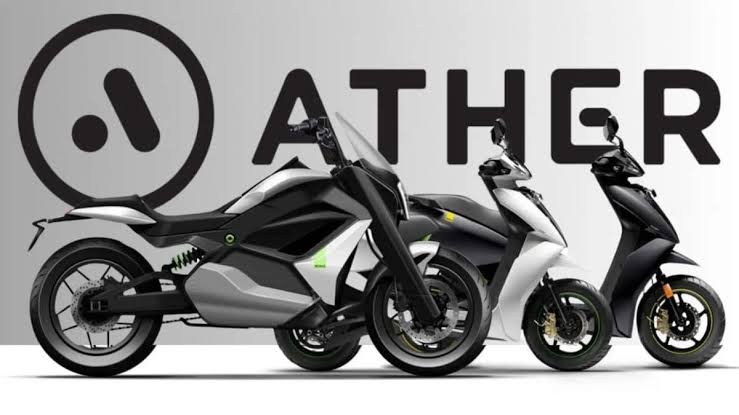
This is the business approach adopted by Ather Energy, an Indian electric two-wheeler manufacturer founded in 2013 by Tarun Mehta and Swapnil Jain. Headquartered in Bengaluru, the company has developed an integrated electric mobility ecosystem rather than limiting its operations to manufacturing scooters.
Its products, including the Ather 450 series and Ather Rizta, are supported by proprietary software, charging infrastructure, accessories, and an expanding service network.
Ather Energy makes money primarily through electric scooter sales, paid software features, accessories, servicing, and charging services.
The interesting part of its business model is that the customer relationship does not end when a scooter leaves the showroom. Several revenue opportunities continue throughout the vehicle’s ownership period.
1. Electric Scooter Sales: The Biggest Revenue Contributor
Selling electric scooters is the foundation of Ather’s business.
The company designs and manufactures electric two-wheelers for Indian customers who want an alternative to conventional petrol scooters.
Its major product categories include:
- Ather 450 series: Performance-oriented electric scooters.
- Ather Rizta: Family-focused electric scooters.
- Different battery configurations and product variants.
Ather earns revenue from the selling price of each vehicle, after accounting for applicable discounts, incentives, and other adjustments.
For example, when a customer purchases an Ather Rizta in Bengaluru, the company generates vehicle revenue from that transaction. The customer receives the scooter, while Ather benefits from the sale and can potentially generate additional income through software, accessories, and servicing.
Vehicle sales accounted for approximately 87% of Ather’s revenue from operations in FY2026, making this its dominant income source.
The company sold 262,942 electric scooters during FY2026, compared with 155,394 in FY2025.
Electricity
2. AtherStack: Making Money From Software
Ather differentiates its scooters through AtherStack, its proprietary software platform.
The software connects the scooter, mobile application, cloud infrastructure, and connected vehicle features.
Depending on the scooter model and software package, customers can access features such as:
- Navigation and location-related services.
- Ride statistics and analytics.
- Over-the-air software updates.
- Vehicle monitoring.
- Connected security features.
- Additional riding and convenience features.
Ather monetises premium software functionality through its ProPack offering.
Customers can purchase eligible software packages to unlock additional features beyond the standard vehicle experience.
This creates an important revenue opportunity because software can generate income without requiring the company to manufacture another scooter.
The adoption rate is also significant. Ather reported a ProPack attachment rate of approximately 91% in FY2026, indicating strong customer acceptance of its paid software offering.
Electricity+1
3. Accessories and Spare Parts: Revenue After the Purchase
Buying an electric scooter often leads to additional purchases.
Customers may want protective accessories, storage solutions, riding equipment, replacement components, or cosmetic upgrades.
Ather generates additional income through its accessories and spare-parts business.
Its offerings can include:
- Helmets and riding equipment.
- Scooter accessories.
- Vehicle protection products.
- Replacement components.
- Spare parts and merchandise.
For example, someone purchasing an Ather Rizta may later buy additional storage accessories or replacement components through the company’s sales and service network.
Ather earns revenue by selling these products.
According to its FY2026 financial reporting, sales of stock-in-trade, including accessories, spare parts, and merchandise, increased to approximately ₹176.15 crore from ₹107.11 crore in FY2025.
Electricity
4. After-Sales Servicing: Building Long-Term Customer Revenue
Electric scooters still require regular maintenance, inspections, repairs, and replacement components.
Ather operates service centres to support customers throughout vehicle ownership.
Its service-related income comes from activities such as:
- Paid vehicle maintenance.
- Repair and replacement services.
- Spare-parts sales.
- Applicable labour charges.
- Other post-warranty services.
The company also offers ExpressCare, designed to provide faster turnaround for standard periodic maintenance.
This business has two advantages. It creates additional revenue, and it helps maintain customer satisfaction.
A dependable service network can also encourage existing customers to recommend the brand to others.
5. Ather Grid: Charging Infrastructure as a Business
Charging availability is an important consideration for electric scooter owners.
Ather addresses this through Ather Grid, its charging infrastructure network.
The company installs charging points in selected public locations and other accessible areas to support electric vehicle users.
It can generate revenue through applicable charging-session fees and related charging services.
Its charging ecosystem offers customers opportunities to:
- Locate nearby charging stations.
- Check charger availability.
- Navigate to charging locations.
- Access compatible charging facilities.
Ather also supports neighbourhood charging solutions, expanding charging access beyond public fast-charging locations.
By March 2026, its network had expanded to more than 6,000 charging points, including compatible fast chargers and neighbourhood chargers.
Electricity
The network is not simply a customer-support investment. It also represents a developing business opportunity as electric vehicle adoption increases.
6. Battery as a Service and Insurance Opportunities
Ather has also explored additional ownership-related services.
Its Battery as a Service (BaaS) offering separates the battery cost from the initial vehicle purchase price under the applicable arrangement.
This can reduce the upfront acquisition cost for eligible customers while creating a recurring battery-related payment structure.
The company has also entered the vehicle insurance distribution space as a corporate agent.
This provides another potential revenue opportunity through insurance-related commissions and customer services.
These initiatives show how Ather is attempting to earn from different stages of electric vehicle ownership rather than depending entirely on scooter sales.
7. Ather Energy’s Revenue: Financial Performance
Ather’s FY2026 financial results demonstrate how its business is expanding.
| Financial indicator | FY2026 |
| Revenue from operations | ₹3,671.76 crore |
| Total income | ₹3,823.08 crore |
| Electric scooters sold | 262,942 |
| Adjusted gross margin | 24% |
| EBITDA margin | -7% |
| Non-vehicle revenue contribution | 13% |
Source: Ather Energy FY2026 annual reporting. Figures are rounded where applicable.
Revenue from operations increased approximately 63% compared with FY2025. However, the company reported a net loss of approximately ₹517 crore for FY2026.
Its improving margins indicate progress towards profitability, but the business still faces substantial manufacturing, research, distribution, and operating expenses.
Electricity+1
8. What Makes Ather’s Business Model Different?
Ather follows an integrated business strategy in which several activities support one another.
Its main commercial advantages include:
- Technology ownership: Proprietary software helps differentiate its vehicles.
- Multiple revenue streams: Income comes from vehicles, software, accessories, servicing, and charging.
- Customer retention: Service facilities and connected features maintain long-term relationships.
- Charging infrastructure: A wider charging network can encourage electric scooter adoption.
- Product differentiation: Different scooter categories address different customer requirements.
Frequently Asked Questions
Q1. What is Ather Energy’s main source of revenue?
Electric scooter sales are Ather’s largest revenue source, contributing approximately 87% of its FY2026 revenue from operations. Software, servicing, accessories, and charging services provide additional income.
Q2. How does Ather make money from AtherStack?
Ather earns through paid software features and ProPack offerings that provide eligible customers with additional connected, navigation, and vehicle-related functionalities.
Q3. Does Ather earn money from charging stations?
Yes. Ather can generate revenue through applicable charging-session fees and related services provided through its Ather Grid charging infrastructure.
Q4. Does Ather manufacture its own electric scooters?
Yes. Ather designs and manufactures its electric two-wheelers, including the Ather 450 series and Rizta, while also developing its own software and charging ecosystem.
Q5. Is Ather Energy profitable?
Ather reported a net loss of approximately ₹517 crore in FY2026, despite achieving revenue growth and an improved EBITDA margin. It has made progress towards profitability but has not yet achieved overall net profit.
Ather Energy’s business model goes beyond selling electric scooters. Its strategy combines vehicle manufacturing with software, charging infrastructure, spare parts, and after-sales services. This integrated approach creates multiple opportunities to earn revenue from the same customer over several years. As India’s electric two-wheeler market develops, Ather’s ability to increase vehicle sales while growing its higher-margin non-vehicle businesses will play an important role in determining its long-term financial performance.