Ask ten people what a “pitbull” is, and you’ll likely get ten slightly different answers — a stocky terrier, a muscular guard dog, or sometimes just a general shorthand for “scary-looking dog.” Ask the same people what a “bulldog” is, and you’ll probably picture a wrinkly, wheezing English Bulldog snoring on a couch. Here’s the twist: neither of these mental pictures is fully accurate, because both “pitbull” and “bulldog” are broader terms covering multiple distinct breeds, not single, clearly defined dogs. Understanding what’s actually being compared matters enormously if you’re researching a dog for your family, navigating breed-specific housing rules, or just trying to make sense of the confusion online.
This distinction isn’t just semantic. Breed-specific legislation, homeowner’s insurance policies, and rental restrictions in the US frequently target “pitbulls” by name, and getting the terminology wrong can genuinely affect whether you’re allowed to keep a specific dog in your home. Let’s clear up exactly what separates these dogs — and what doesn’t.
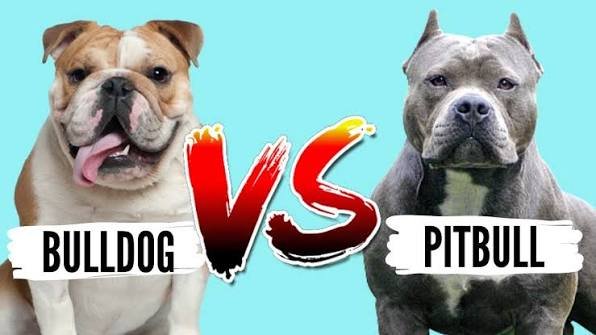
Quick Comparison: Pitbull vs Bulldog
| Category | Pitbull (Type) | Bulldog (Type) |
| Breed status | Umbrella term, not one recognized breed | Covers multiple distinct breeds (English, American, French) |
| Common breeds included | American Pit Bull Terrier, American Staffordshire Terrier, Staffordshire Bull Terrier | English Bulldog, American Bulldog, French Bulldog |
| Genetic family | Terrier line | Molosser/mastiff line |
| Original purpose | Bull-baiting, later dog fighting; today companionship and sport | Bull-baiting (English); farm guarding and hog hunting (American) |
| Typical build | Athletic, muscular, medium size | Ranges from stocky and low (English) to tall and muscular (American) |
| Typical weight | 30–65 lbs | English: 40–55 lbs; American: 60–120 lbs |
| Energy level | High, needs daily vigorous exercise | English: low; American: moderate to high |
| AKC recognition | Not recognized as “Pit Bull”; related breeds are | English Bulldog and French Bulldog recognized; American Bulldog in Foundation Stock Service |
“Pitbull” Isn’t Actually One Breed
This is genuinely the most important thing to understand before anything else. “Pit Bull” functions as a category name, not a formal breed recognized by the American Kennel Club. What people typically mean when they say “pitbull” usually refers to one of several related breeds: the American Pit Bull Terrier, the American Staffordshire Terrier, or the Staffordshire Bull Terrier. Sometimes the term gets stretched even further to include the American Bully, a separate breed that blends traits from several bully-type dogs.
These breeds share a common ancestry, tracing back to crosses between Old English Bulldogs and terriers, originally developed in England for bull-baiting before the practice was banned. That shared history is exactly why “pitbull” became a catch-all label — the resulting dogs looked similar enough, and shared enough traits, that the public generally stopped distinguishing between the specific breeds involved.
“Bulldog” Also Covers More Than One Breed
The same umbrella problem exists on the bulldog side, though it’s less commonly recognized. The English Bulldog — the classic wrinkly, low-slung, short-nosed dog most people picture — descends directly from dogs used in England for bull-baiting, later bred toward a calmer, more companionable temperament once that sport was outlawed. It’s a genuinely distinct breed with its own well-established AKC standard.
The American Bulldog is a completely different animal despite the shared name. Descended from English Bulldogs brought over by colonists, American Bulldogs were bred as working farm dogs — guarding property, herding cattle, and hunting hogs — which is exactly why they’re taller, more athletic, and considerably larger than their English cousins. The breed nearly went extinct by World War II before being revived through dedicated breeding efforts, and the AKC only added it to its Foundation Stock Service program in 2019. This is also the bulldog most frequently confused with pitbulls specifically, since American Bulldogs and American Pit Bull Terriers share a genuinely similar muscular, athletic build.
Where the Real Physical Differences Show Up
Once you’re comparing specific breeds rather than vague categories, the differences become clearer. American Pit Bull Terriers and Staffordshire-type dogs typically weigh between 30 and 65 pounds, with a lean, athletic, terrier-built frame designed for agility and grip strength. English Bulldogs sit at the opposite end of the spectrum — shorter, heavier-boned relative to their height, with the loose skin and pushed-in face that define the breed’s modern look. American Bulldogs land somewhere else entirely, often taller than both, with males reaching 60 to 120 pounds and a build closer to a mastiff than a terrier.
Coat and face structure differ meaningfully too. Bulldogs, especially the English variety, have the flat, wrinkled face associated with brachycephalic breeds, which comes with its own set of breathing and heat-tolerance considerations. Pitbull-type dogs have a more traditional muzzle length and don’t carry the same brachycephalic health concerns.
Temperament: Where Myths Genuinely Outpace Reality
This is worth addressing directly, because it’s where the most misinformation lives. Pitbull-type breeds carry a reputation for aggression rooted almost entirely in their historical use in blood sports, not in any inherent, fixed trait of the modern dog. Temperament testing conducted by organizations like the American Temperament Test Society has actually scored well-socialized Pit Bulls and American Bulldogs comparably to breeds like Golden Retrievers — suggesting that consistent socialization and responsible breeding, not breed identity alone, are what actually predict a stable, friendly adult dog.
English Bulldogs, by contrast, tend toward a famously laid-back, low-energy temperament, content to spend much of the day napping, though they can become stubborn or even snap if socialization is neglected early on. American Bulldogs tend to be confident, loyal, and genuinely affectionate with family, including children, while maintaining strong guarding instincts that make early socialization important for them too.
The honest takeaway: breed labels alone are a poor predictor of an individual dog’s behavior. Early socialization, training consistency, and the specific breeder’s practices matter considerably more than which category a dog technically falls under.
What This Means If You’re Choosing Between Them
If your lifestyle involves an active household, regular exercise, and you want a loyal, people-oriented dog with real athleticism, a pitbull-type breed genuinely fits that profile well, provided you’re prepared for consistent training and daily activity. If you want a lower-energy companion that’s content in an apartment and doesn’t need extensive exercise, the English Bulldog is a better match, though you’ll need to budget for the breathing, joint, and heat-sensitivity issues common to the breed. If you want something in between — a large, athletic, loyal family guardian — the American Bulldog genuinely bridges that gap, provided you have the space and yard access these bigger, working-line dogs benefit from.
Frequently Asked Questions
Is an American Bulldog considered a pitbull? No, genuinely not, despite the frequent confusion. The American Bulldog is a separate, distinct breed descending from the mastiff/molosser family, while pitbull-type dogs descend from the terrier line. They can look similar due to their muscular build, but they have different genetic backgrounds, different histories, and are recognized as separate breeds.
Why do apartment complexes and insurance companies list “pitbull” as a restricted breed if it isn’t an official breed? Most breed-restriction policies use “pitbull” as shorthand covering several related breeds — typically the American Pit Bull Terrier, American Staffordshire Terrier, and Staffordshire Bull Terrier, sometimes including American Bullies. It’s worth reading the specific policy language carefully, since some documents list breeds individually while others use the umbrella term loosely, which can create confusion about which dogs are actually restricted.
Are pitbulls genuinely more aggressive than bulldogs by nature? Not according to formal temperament testing. Well-socialized pitbull-type dogs have scored comparably to notably gentle breeds like Golden Retrievers in standardized temperament assessments. Aggression risk correlates far more strongly with breeding practices, early socialization, and training than with breed category alone.
Which is better for a first-time dog owner, a pitbull-type breed or a bulldog? This depends heavily on your activity level and living situation rather than either breed being universally “easier.” English Bulldogs generally require less exercise and are more forgiving of a low-activity lifestyle, making them a common choice for less experienced or less active owners, while pitbull-type breeds and American Bulldogs need consistent training and daily exercise, which suits owners ready to commit real time to structure and activity.