The German Shepherd Dog is one of the world’s most recognised, versatile, and capable breeds — a true all-rounder that excels as a family companion, police dog, military working dog, search-and-rescue specialist, guide dog, and protection sport competitor. In India, the German Shepherd (GSD) has been among the top three most popular breeds consistently for over two decades, and in 2025-2026 it maintains its position as a top choice for families seeking an intelligent, loyal, and genuinely protective companion.
German Shepherd dog prices in India in 2026 range considerably based on bloodline, city, working vs show type, and import heritage. This guide covers everything you need to know — from current city-wise pricing to the critical differences between European working lines and Indian show lines that significantly affect both capability and health.
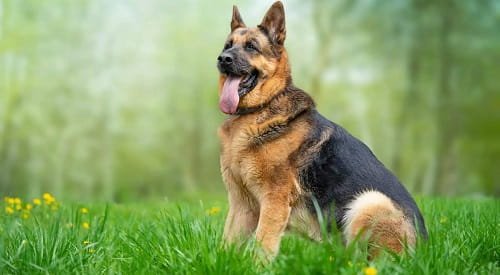
| Attribute | Details |
| Breed Name | German Shepherd Dog (GSD / Alsatian) |
| Origin | Germany (developed by Max von Stephanitz, 1899) |
| Size | Large: 22–40 kg, 55–65 cm |
| Lifespan | 9–13 years |
| Temperament | Intelligent, loyal, confident, courageous, trainable, protective, alert |
| Coat | Double coat (short or long) — moderate-heavy shedding year-round |
| Price Range (2026) | Rs. 15,000 – Rs. 1,00,000+ |
| European Working Line Import | Rs. 60,000 – Rs. 1,00,000+ |
| Monthly Maintenance | Rs. 7,000 – Rs. 16,000 |
| Best For | Active families, experienced owners, security/protection, service work |
| Climate Suitability | Moderate — double coat; manage heat in Indian summers; better than Arctic breeds |
About the German Shepherd Dog (GSD)
The German Shepherd was developed by Cavalry Captain Max von Stephanitz in Germany beginning in 1899, with the explicit goal of creating the perfect working dog. Von Stephanitz’s motto for the breed — “utility and intelligence” — remains as relevant as ever. The GSD was originally a herding dog but rapidly proved its versatility in police work, military service, and search-and-rescue during World War I.
In India, the German Shepherd has been popular since Independence, when the Indian Army and Police began acquiring GSDs for working roles. Civilian demand followed military and police adoption, and by the 1990s-2000s, the GSD was firmly established as one of India’s top three most popular breeds. According to 2024-2025 KCI registration data, the GSD remains in the top five most registered breeds in India, with Karnataka, Maharashtra, Delhi, and Punjab having the highest concentrations of registered individuals.
German Shepherd Price in India 2026
German Shepherds are widely available across India. The price range is extremely wide — from locally bred pet-quality to European imported working-line champions. The table below reflects reputable breeder rates as of early 2026.
| City / Category | Min Price (INR) | Max Price (INR) |
| Delhi / NCR | Rs. 20,000 | Rs. 85,000 |
| Mumbai | Rs. 22,000 | Rs. 90,000 |
| Bangalore | Rs. 18,000 | Rs. 78,000 |
| Hyderabad | Rs. 18,000 | Rs. 75,000 |
| Chandigarh / Punjab (high demand) | Rs. 20,000 | Rs. 80,000 |
| Chennai | Rs. 16,000 | Rs. 68,000 |
| Kolkata | Rs. 15,000 | Rs. 65,000 |
| Pune | Rs. 18,000 | Rs. 78,000 |
| Tier-2 / Tier-3 Cities | Rs. 10,000 | Rs. 45,000 |
| European Working Line (Czech/German import) | Rs. 60,000 | Rs. 1,00,000+ |
| KCI Registered / Show Quality | Rs. 40,000 | Rs. 85,000+ |
Long-coat GSDs (sable or black-and-tan with flowing coat) are very popular in India and may command a 10–20% premium over standard coat siblings. Czech and East German working lines are the most driven and focused — ideal for sport and security work but requiring experienced handlers. West German show lines are more balanced for family use.
Temperament & Suitability
The German Shepherd is considered one of the most intelligent dog breeds in the world — consistently ranking in the top three of all breed intelligence assessments. This intelligence, combined with their natural eagerness to work and please their handler, makes them extraordinarily trainable. A well-trained German Shepherd is a genuine asset in any home or working environment.
However, this intelligence also means that an under-stimulated, under-exercised German Shepherd becomes destructive, neurotic, and difficult to manage. GSDs need at least 90 minutes of vigorous daily exercise AND mental stimulation through training, puzzle toys, or dog sports. A bored GSD can cause significant damage to a home in very little time.
German Shepherds are protective of their family and home — this is a desirable trait that makes them excellent guard dogs, but it requires responsible socialisation from puppyhood. Under-socialised GSDs can become fearful-aggressive or overly suspicious, which is dangerous given their size and capability. Early and ongoing socialisation with people, children, other dogs, and varied environments is non-negotiable.
Factors That Affect the Price
- Working Line vs Show Line: Czech/East German working lines (highest drive, most capable, requires experienced handler) vs West German show lines (balanced, family-friendly) vs Indian-bred show lines (widely available, varied quality)
- KCI Registration: Registered litters from health-tested champion lines start at Rs. 40,000+
- Coat Type: Long coat (popular in India) vs standard coat; no difference in temperament
- Colour: Black-and-tan (most common); sable (increasingly popular); all-black (rarer, priced higher); white (not standard but available)
- Hip / Elbow Screening: OFA-tested parents are essential — hip dysplasia is significant in this breed; health-tested breeders charge more but it is worth every rupee
- Import Status: European working line imports add Rs. 60,000–Rs. 1,20,000 to base price
Health & Lifespan
Hip dysplasia is the most significant hereditary health concern in German Shepherds, and India has a substantial problem with this due to decades of breeding without hip X-ray screening. Responsible breeders must provide OFA or SV (German Shepherd club) hip certification for both parent dogs. Degenerative Myelopathy (DM) — a progressive spinal condition similar to ALS in humans — has a DNA test available; responsible breeders test all breeding dogs.
Exocrine Pancreatic Insufficiency (EPI) — where the pancreas fails to produce sufficient digestive enzymes — occurs at higher rates in GSDs than most breeds and requires lifelong enzyme supplementation if diagnosed. Bloat (GDV) risk is elevated in deep-chested GSDs — feed 2–3 meals daily, avoid post-meal vigorous exercise. In India’s climate, the double coat requires regular brushing to manage shedding and prevent skin issues in humid conditions.
Monthly Maintenance Cost in India (2026 Estimate)
- Premium Large Breed Food: Rs. 3,000 – Rs. 6,000/month
- Grooming: Rs. 800 – Rs. 1,500/session; every 6–8 weeks professionally; weekly brushing at home
- Veterinary Care (incl. DM/hip monitoring): Rs. 10,000 – Rs. 20,000 annually
- Professional Training (strongly recommended): Rs. 8,000 – Rs. 30,000 for comprehensive obedience
- Vaccinations & Preventives: Rs. 2,500 – Rs. 5,000 annually
- Total Estimated Monthly Cost: Rs. 7,000 – Rs. 16,000
Frequently Asked Questions (FAQs)
Q1. What is the German Shepherd dog price in India in 2026?
Ans: German Shepherd prices in India in 2026 range from Rs. 15,000 to Rs. 90,000 for pet or show-quality puppies from reputable Indian breeders. European working-line imports (Czech, German) range from Rs. 60,000 to Rs. 1,00,000+. KCI-registered Indian show-quality GSDs typically start at Rs. 40,000.
Q2. What is the difference between show line and working line German Shepherds?
Ans: Show-line GSDs are bred primarily for physical conformation — typically with more angled hindquarters and a rounder, larger build. Working-line GSDs (especially Czech and East German lines) are bred for drive, trainability, and working ability — typically straighter backs, more athletic builds, and higher-energy temperaments. Show lines are more suitable for family pets; working lines for protection sport, police work, or owners who want a high-drive working partner.
Q3. Are German Shepherds good for first-time dog owners?
Ans: With reservations, yes. German Shepherds are trainable, loyal, and family-oriented qualities that suit many first-time owners. However, their size, intelligence, exercise requirements, and protective instincts mean they are more demanding than Labradors or Beagles. First-time owners choosing a GSD should enrol in puppy training classes immediately and commit to daily structured exercise and mental stimulation.
Q4. Do German Shepherds shed a lot in India?
Ans: Yes — German Shepherds are heavy year-round shedders with two particularly intense seasonal shedding periods. In India’s climate, the dense undercoat can also cause skin issues if not regularly brushed out. Weekly brushing at home (or more frequently during shedding season) and professional grooming every 6–8 weeks significantly reduces shedding in the home environment.
Q5. Why do so many Indian German Shepherds have hip problems?
Ans: Hip dysplasia in Indian GSDs is largely the result of decades of breeding without hip X-ray screening. Many Indian breeders historically bred based on appearance and “papers” without OFA or equivalent hip certification. This has propagated the condition widely through Indian GSD populations. The situation is improving as more breeders adopt health screening protocols from 2022-2025 onward, but buyers must still specifically ask for OFA hip clearances on parent dogs.
Conclusion
The German Shepherd Dog remains one of India’s finest all-purpose breeds — intelligent, versatile, loyal, and genuinely capable of serving as both a devoted family companion and a capable protector. In 2026, the GSD price in India spans from accessible entry-level to premium European working imports. The most important investment is in bloodline health — specifically hip and DM screening of parent dogs — and in early, consistent training that gives this remarkable dog’s intelligence a constructive outlet. A well-raised German Shepherd is not just a pet; it is a lifelong working partner of the highest order.