“Graden dog” is a phonetic spelling variation that appears frequently in Indian internet searches — most commonly referring to the Great Dane, one of the world’s tallest dog breeds and one that has maintained a devoted following in India despite its significant care requirements. Whether you spell it “Graden,” “Grade,” or “Great Dane,” this guide covers everything you need to know about purchasing and owning this magnificent giant breed in India in 2026.
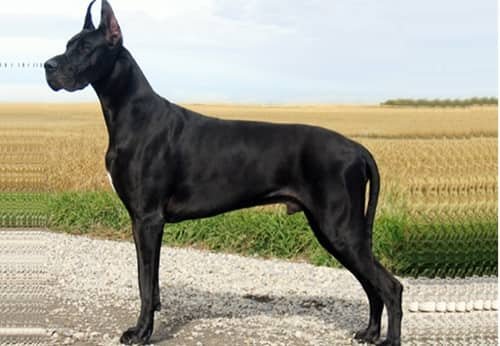
The Great Dane — nicknamed the “Apollo of dogs” for its regal, imposing bearing — combines extraordinary size with a surprisingly gentle, patient temperament. Standing up to 86 cm at the shoulder and weighing up to 90 kg, the Great Dane is genuinely enormous, yet its calm, affectionate nature makes it a devoted family companion for households that understand and can accommodate the unique demands of giant breed ownership in India.
| Attribute | Details |
| Common Indian Search Term | “Graden dog” — phonetic variant of “Great Dane” |
| Official Breed Name | Great Dane (Deutsche Dogge / German Mastiff) |
| Origin | Germany — despite the name; descended from German boar hounds |
| Size | Giant: 50–90 kg, 71–86 cm — among the world’s tallest breeds |
| Lifespan | 6–10 years — one of the shortest lifespans of any breed |
| Temperament | Gentle, friendly, patient, calm, affectionate — “gentle giant” |
| Coat | Short, smooth — fawn, brindle, blue, black, harlequin, merle |
| Price Range (2026) | Rs. 20,000 – Rs. 80,000 |
| KCI / Show Quality | Rs. 45,000 – Rs. 80,000+ |
| Monthly Maintenance | Rs. 10,000 – Rs. 22,000 (giant food costs are major expense) |
| Climate Suitability | Good — short coat handles Indian climate; extreme summer heat and exercise still dangerous |
| GDV / Bloat Risk | Critical concern — prophylactic gastropexy strongly recommended |
About the Great Dane (commonly searched as “Graden Dog” in India)
The Great Dane’s name is something of a historical misnomer — the breed was developed not in Denmark but in Germany, descended from large boar-hunting dogs used by German nobility for hunting wild boar and deer across the Germanic states from the 15th century onward. The French naturalist Buffon first called the breed “le Grand Danois” (the Great Dane) after encountering a tall, slender specimen in Denmark — and the English name stuck, much to the bemusement of German breed enthusiasts who call the breed “Deutsche Dogge” (German dog).
The Great Dane holds the Guinness World Record for the world’s tallest dog — Zeus, a Great Dane from the USA, stood 111.8 cm tall. In India, Great Danes have been present since the British colonial era and have maintained a loyal niche following among large-breed enthusiasts. KCI Great Dane registrations have shown steady, modest growth through 2024-2025.
Great Dane Price in India 2026 — City-Wise Breakdown
Great Dane (Graden dog) prices in India vary by colour, bloodline, and city. Fawn and brindle are most common and accessible; harlequin and merle are rarer and more expensive. Prices below reflect reputable breeder rates as of early 2026.
| City / Category | Min Price (INR) | Max Price (INR) |
| Delhi / NCR | Rs. 22,000 | Rs. 70,000 |
| Mumbai | Rs. 25,000 | Rs. 75,000 |
| Bangalore | Rs. 20,000 | Rs. 65,000 |
| Hyderabad | Rs. 20,000 | Rs. 62,000 |
| Chennai | Rs. 18,000 | Rs. 58,000 |
| Kolkata | Rs. 18,000 | Rs. 55,000 |
| Chandigarh / Lucknow | Rs. 20,000 | Rs. 60,000 |
| Pune | Rs. 20,000 | Rs. 65,000 |
| Tier-2 / Tier-3 Cities | Rs. 14,000 | Rs. 40,000 |
| Harlequin / Merle (rare patterns) | Rs. 40,000 | Rs. 85,000 |
| KCI Registered / Show Quality | Rs. 45,000 | Rs. 80,000+ |
Harlequin Great Danes (white with black patches) are the rarest and most premium variety in India. Blue Great Danes (solid steel blue) are also sought after. All colour varieties have identical temperament and health profiles. Always prioritise cardiac (echocardiogram) and hip clearances for parent dogs — these are the most critical health factors at this price range.
Important: Great Danes are at very high risk for Gastric Dilatation-Volvulus (GDV/Bloat) — a life-threatening emergency. Feed 2–3 small meals daily, use elevated food bowls (reduces air swallowing), restrict vigorous exercise for 60 minutes before and after eating, and discuss prophylactic gastropexy surgery with your veterinarian.
Temperament & Suitability
The Great Dane’s temperament is one of the most pleasant surprises of giant breed ownership. These enormous dogs are genuinely gentle, patient, and affectionate — slow to anger, measured in response, and deeply devoted to their family. They are excellent with children they are raised with (size supervision is important, as they can accidentally knock over a child with tail wagging). They are non-aggressive with strangers and do not make effective guard dogs — their size alone is sufficient deterrent.
Great Danes are relatively low-energy for their size — 45-60 minutes of moderate daily exercise is typical. They are not built for high-intensity activity and do not thrive as running or cycling companions in the same way that a Labrador or Vizsla would. They enjoy leisurely walks and prefer to be near their people, often attempting to function as lap dogs despite their size.
They drool — a reality that all Great Dane owners must embrace cheerfully. Drool towels are a standard accessory in any Dane household. They are also sensitive dogs who do not respond well to harsh training or raised voices. Calm, positive, consistent training from puppyhood produces the most reliable and content Great Dane.
Factors That Affect the Price
Colour: Harlequin and merle rarest and most premium; fawn and brindle most accessible; blue and black popular
Cardiac Screening: Dilated Cardiomyopathy (DCM) is a significant concern — echocardiogram of both parents is essential
Hip Clearances: OFA hip certification important for this very heavy breed
Growth Protocol: Large-breed puppy food during 0–18 months critical for controlled growth and joint protection
Gender: Females typically Rs. 5,000–Rs. 12,000 higher; males more imposing at 80-90 kg
Bloodline: UK/USA AKC registered bloodlines command premium; established Indian show lines also available
Health & Lifespan
Great Danes have the same serious health profile that characterises most giant breeds. Bloat/GDV is the most immediately dangerous condition — the stomach fills with gas and twists, causing death within hours without emergency surgery. Dilated Cardiomyopathy (DCM) is a hereditary heart condition affecting Great Danes at high rates — annual echocardiograms from age 2 are strongly recommended. Hip dysplasia and Wobbler syndrome (cervical spondylomyelopathy) are also documented.
The 6-10 year average lifespan is a genuine consideration — buyers must be emotionally and financially prepared for a shorter-than-average companionship. Joint supplements from 6 months, large-breed puppy food during the growth phase, prophylactic gastropexy, and annual cardiac monitoring are the most impactful health investments an Indian Great Dane owner can make.
Monthly Maintenance Cost in India (2026 Estimate)
- Giant Breed Premium Food: Rs. 5,000 – Rs. 9,000/month (enormous appetite)
- Grooming (short coat — minimal): Rs. 600 – Rs. 1,200/session; monthly
- Veterinary Care (cardiac + OFA monitoring): Rs. 12,000 – Rs. 28,000 annually
- Gastropexy Surgery (one-time, strongly recommended): Rs. 15,000 – Rs. 35,000
- Vaccinations & Preventives: Rs. 3,000 – Rs. 6,000 annually
- Total Estimated Monthly Cost: Rs. 10,000 – Rs. 22,000
Frequently Asked Questions (FAQs)
Q1. What is a “Graden dog” and is it the same as a Great Dane?
“Graden dog” is a phonetic spelling variant commonly used in Indian internet searches — it refers to the Great Dane, the world’s tallest dog breed. Both spellings refer to the same magnificent giant breed. Great Dane prices in India in 2026 range from Rs. 20,000 to Rs. 80,000+ depending on colour, city, and bloodline.
Q2. How long does a Great Dane live in India?
Great Danes average 6-10 years — one of the shortest lifespans of any breed. In India, proper management (prophylactic gastropexy, annual cardiac echocardiography, large-breed puppy food, controlled growth, healthy weight maintenance) can help individual dogs reach the upper end of this range, but buyers must be emotionally prepared for a shorter-than-average companion relationship.
Q3. What is the Harlequin Great Dane?
The Harlequin is a distinctive coat pattern where a pure-white dog has irregular black patches distributed over the body — one of the most visually striking coat patterns in the entire dog world. Harlequin is genetically complex to produce reliably, making these dogs rarer and more expensive (Rs. 40,000–Rs. 85,000 in India). All Great Dane colour varieties have identical temperament and health profiles.
Q4. Do Great Danes suit Indian apartments?
Great Danes need physical space to move, turn, and lie down comfortably — a small apartment is inadequate. A minimum 3BHK flat with appropriately sized doorways and furniture clearance is required. Elevated food and water bowls are essential. Their energy level is actually lower than many medium breeds, which helps in apartment contexts if adequate daily outdoor exercise is provided. Homes with outdoor space are significantly more appropriate.
Q5. What is the best way to prevent bloat in a Great Dane in India?
Prevention strategy: (1) Feed 2–3 small meals daily — never one large meal; (2) Use elevated food and water bowls; (3) Avoid vigorous exercise for at least 60 minutes before and after meals; (4) Discuss prophylactic gastropexy surgery with your vet (ideally at time of spaying/neutering); (5) Know the emergency signs — restlessness, distended abdomen, unproductive retching, pale gums — and have your nearest 24-hour emergency vet’s contact ready.