Step up from the humble one-rupee candy shelf, and you land in genuinely different territory. The five-rupee price bracket is where India’s chocolate market gets noticeably more serious — bigger portions, more established international brands, and products that feel less like a passing sugar fix and more like an actual mid-morning treat. It’s also the price point most Indian kids graduate to once their pocket money grows just slightly, making it one of the most competitive and closely watched segments in the country’s massive confectionery industry.
Understanding what’s actually available at this price point matters beyond nostalgia. It reveals how major global brands like Nestlé and Mondelez (Cadbury) structure their pricing specifically for a market where affordability drives volume, and it explains why certain product formats — smaller wafer bars, compact toffee packs — dominate this exact bracket rather than any other.
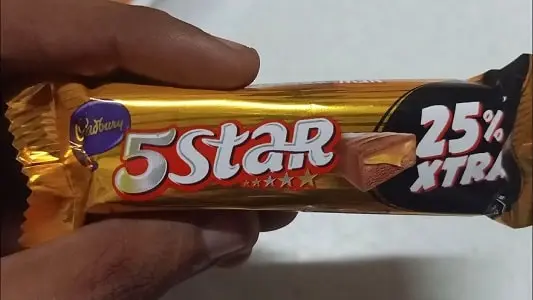
Quick Overview: Popular 5 Rupee Chocolates in India
| Chocolate | Brand | Format | Standout Feature |
| Munch (small pack) | Nestlé | Crunchy wafer bar | Wafer layers with caramel hints, budget-friendly crunch |
| Perk (mini) | Cadbury | Wafer chocolate | Light, crispy alternative to solid chocolate bars |
| Parle 20-20 | Parle Products | Cookie-toffee combo pack | Blends biscuit and toffee in one product line |
| Alpenliebe | Perfetti Van Melle | Chewy caramel candy | Longer-lasting chew, strong caramel flavor |
| Poppins (small tube) | Ravalgaon | Fruit-flavored candy shells | Multiple flavors in one compact tube |
| Center Fresh | Perfetti Van Melle | Gum with liquid center | Distinct gum-candy hybrid format |
| Kaccha Mango Bite | Ravalgaon | Tangy mango candy | Raw mango flavor profile, distinct from regular Mango Bite |
Why Five Rupees Became Such an Important Price Point
This bracket sits at a genuinely strategic spot in India’s snacking economy. It’s expensive enough that brands can offer a meaningfully bigger portion or a more elaborate product than the bare-bones one-rupee options, yet still cheap enough to remain a genuine impulse purchase rather than a considered decision. For companies like Nestlé, which reaches over 3.5 million retail outlets across the country, and Cadbury, which commands roughly 55% of Indian chocolate retail overall, the five-rupee tier functions as a crucial volume driver — the price point where casual snackers and budget-conscious families make their most frequent purchases.
Nestlé Munch: The Wafer Standard-Bearer
Munch has built genuine staying power in this bracket through a straightforward but effective formula: crispy wafer layers wrapped in milk chocolate, with just enough caramel undertone to keep it interesting without overwhelming the crunch factor. Its smaller pack sizes sit comfortably in the five-rupee range, making it one of the most consistently available options at local shops and school canteens nationwide. The format genuinely differentiates it from solid chocolate bars — it’s lighter, snappier, and feels like less of a commitment than a denser chocolate treat.
Cadbury Perk: The Lighter Alternative
Perk occupies a similar wafer-chocolate niche to Munch but carries Cadbury’s brand trust and slightly different flavor balance. Its mini format fits neatly into the five-rupee bracket, offering a genuinely lighter, crispier eating experience for anyone who finds solid milk chocolate bars too heavy or rich for a quick snack. It’s become a reliable go-to specifically for customers who want something chocolate-adjacent without the full intensity of a traditional bar.
Alpenliebe: The Chewy Contender
Alpenliebe has carved out real territory in this bracket through its distinctly chewy, caramel-forward candy format — a genuine departure from both the wafer-chocolate options and the harder toffees found at the lower one-rupee tier. Its longer-lasting chew makes it a popular choice for people wanting a treat that sticks around a bit longer, and Perfetti Van Melle has built a genuinely loyal following around this specific texture profile within the Indian candy market.
Parle 20-20: The Hybrid Approach
Parle’s 20-20 line takes a genuinely different strategy by blending cookie and toffee elements into one product, giving buyers something that straddles the line between biscuit and candy. This hybrid positioning has helped it stand out in a crowded field of straightforward chocolate and caramel options, appealing to customers looking for a slightly more substantial snack within the same modest price bracket.
Center Fresh: The Gum-Candy Crossover
Center Fresh brings something genuinely distinct to this price tier — a chewing gum with a liquid center, blurring the line between traditional candy and gum in a way few other products at this price point attempt. Its format has made it a consistent favorite among younger buyers specifically drawn to the novelty of the liquid burst, and it’s remained a fixture in the five-rupee bracket for years without needing significant reformulation.
What This Price Bracket Reveals About Indian Snacking Habits
The genuine diversity within this single price tier — wafers, chews, gum-candy hybrids, cookie-toffee combinations — reflects how competitive and segmented India’s confectionery market has become even at the lower end. Rather than every brand chasing the same basic chocolate bar format, companies have carved out distinct textural and flavor niches specifically to capture different snacking moods within the exact same budget constraint. That’s a genuinely sophisticated market response to a customer base that, despite spending very little per purchase, buys extremely frequently and has real, differentiated preferences.
Frequently Asked Questions
Q1. Is there a meaningful quality difference between one-rupee and five-rupee chocolates in India?
Generally yes — the five-rupee bracket typically offers larger portions, more established international brand names, and slightly more complex product formats like wafer layering or liquid centers, compared to the simpler caramel and hard candy formats common at the one-rupee tier.
Q2. Why do wafer-based chocolates like Munch and Perk dominate this specific price point?
Wafer construction lets manufacturers deliver a satisfying, crunchy eating experience using less actual chocolate than a solid bar would require, keeping production costs down while still delivering genuine perceived value at this budget-friendly price point.
Q3. Are these five-rupee chocolates available outside India?
Some, particularly Nestlé and Cadbury products, are available through Indian grocery stores and specialty importers abroad, though pricing typically reflects import costs rather than the original Indian rupee pricing, and the exact product lineup can vary by region.
Q4. Has this price bracket become more or less competitive over recent years?
More competitive, genuinely — as costs have risen across the confectionery industry, brands have had to work harder to justify holding this price point, which has pushed companies toward more creative formats and flavor differentiation rather than simply raising prices, at least for products still positioned in this specific bracket.