Ten rupees might sound like pocket change by American standards — less than the cost of a pack of gum at a US convenience store — but in India, this exact price point represents genuine chocolate territory. It’s the threshold where snack-sized wafer bars give way to recognizable, full-flavor chocolate bars from major global brands, making it arguably the most competitive and closely watched price tier in the entire Indian confectionery market. For anyone curious about how international chocolate giants like Nestlé and Cadbury price their products for a famously value-conscious consumer base, this bracket tells the story clearly.
Understanding what’s actually available at ten rupees also reveals something bigger about how global food companies adapt to different markets. The same brands selling full-size candy bars for several dollars in the US have engineered entirely different packaging formats specifically to hit this price point in India, without compromising the core brand experience that makes these products recognizable worldwide.
Quick Overview: Popular 10 Rupee Chocolates in India
| Chocolate | Brand | Format | Standout Feature |
| KitKat (small pack) | Nestlé | Wafer bar | Iconic crispy wafer, globally recognized snap |
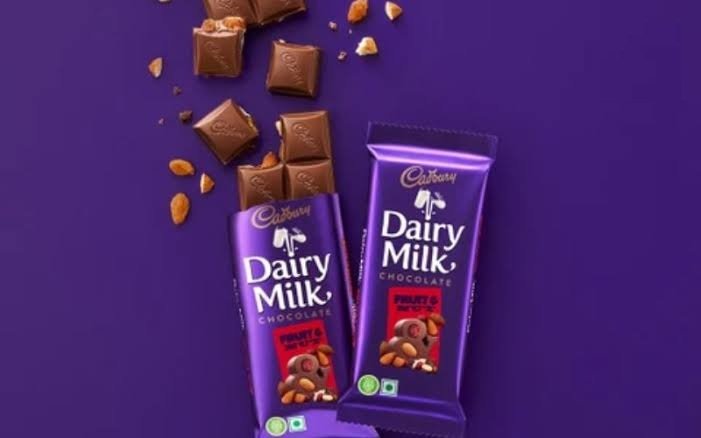
| Dairy Milk (13.2g) | Cadbury | Solid milk chocolate | Smooth, trusted classic flavor in mini format |
| 5 Star | Cadbury | Caramel-nougat bar | Chewy, more filling than typical chocolate bars |
| Milkybar (small pack) | Nestlé | White chocolate | Creamy, milder flavor, popular with children |
| Nestlé Classic | Nestlé | Milk chocolate | Straightforward, no-frills chocolate option |
| Perk | Cadbury | Wafer chocolate | Lighter, crispier alternative to solid bars |
Why Ten Rupees Marks a Genuine Step Up
This bracket sits at a meaningful inflection point in the Indian confectionery market. Below this price, you’re mostly buying candy, toffee, or small wafer snacks. At ten rupees, you start getting genuine, recognizable chocolate bar experiences — smaller portions than what American or European shoppers might expect, but built from the same core recipes and branding as the full-size versions sold elsewhere. This is exactly the price point where major brands compete hardest, since it’s affordable enough to be a routine purchase for a huge swath of the population, yet substantial enough to actually deliver on the chocolate experience the brand name promises.
KitKat: The Crunch That Travels Well
KitKat’s four-finger wafer format translates almost perfectly into this price bracket, and it’s become one of the best-selling options at ten rupees specifically because the format itself feels genuinely satisfying even in a smaller size. The crispy wafer layered under milk chocolate delivers that distinctive snap regardless of portion size, which is exactly why it remains one of the most reliable, recognizable purchases in this segment for anyone wanting something light but still genuinely chocolate-forward.
Cadbury Dairy Milk: The Trusted Default
Dairy Milk’s mini format, typically around 13.2 grams, has become something close to a default choice for Indian shoppers at this price point. Its enduring popularity comes down to consistency — the same smooth, creamy milk chocolate flavor generations of Indian consumers grew up with, now packaged small enough to fit the ten-rupee bracket without losing what makes the brand distinctive. Its near-universal availability, even in the smallest rural shops, reinforces the trust factor that keeps it a top seller across every demographic.
Cadbury 5 Star: The More Filling Option
5 Star stands out in this bracket for genuinely feeling more substantial than its competitors. Its caramel and nougat combination creates a chewier texture that takes longer to finish, appealing specifically to buyers who want a treat that feels like more of an actual snack rather than a quick sugar hit. That layered structure — distinct from a straightforward milk chocolate bar — has helped it carve out consistent loyalty among customers looking for something heavier within the same modest budget.
Nestlé Milkybar: The Gentle Alternative
Milkybar occupies a genuinely distinct niche in this bracket as one of the few widely available white chocolate options at ten rupees. Its creamy, milder flavor profile — built from milk solids without cocoa’s characteristic bitterness — makes it especially popular among younger buyers who find standard milk or dark chocolate too intense. For a market where white chocolate remains something of a specialty category, Milkybar’s consistent availability at this accessible price point has helped it build a genuinely loyal following, particularly among children.
Nestlé Classic: The No-Frills Choice
Nestlé Classic rounds out this bracket as one of the more straightforward options available — a simple, recognizable milk chocolate bar without any elaborate filling, wafer layering, or flavor twist. For shoppers who just want a reliable, uncomplicated chocolate fix without deliberating between formats, Classic delivers exactly that, and its simplicity has kept it a steady presence in this price tier for years.
What This Bracket Reveals About Brand Strategy in India
The genuine sophistication in this price tier lies in how differently each brand approaches the same basic constraint. Rather than simply shrinking their flagship products, companies have engineered distinct format variations — wafer layering for KitKat and Perk, chewy nougat for 5 Star, white chocolate positioning for Milkybar — specifically to justify the same ten-rupee price point through genuinely different eating experiences. This level of format diversity at a single, narrow price bracket reflects just how seriously global confectionery brands take the Indian market, treating it as a genuine strategic priority rather than an afterthought market for repackaged leftovers from other regions.
Frequently Asked Questions
Q1. How much chocolate am I actually getting for ten rupees compared to a US candy bar?
Considerably less by weight — most ten-rupee options weigh somewhere between 10 to 15 grams, compared to a standard US candy bar’s 40 to 50 grams. The pricing reflects portion-controlled formats built specifically for India’s price-sensitive snacking culture rather than a direct size-for-size comparison with Western products.
Q2. Is white chocolate like Milkybar genuinely popular in India, or is it a niche product?
It’s a genuine, well-established niche rather than a mainstream default, popular especially among children and those who find standard milk or dark chocolate too intense. It doesn’t rival Dairy Milk’s overall market dominance, but it maintains consistent, loyal demand within this specific price bracket.
Q3. Why do brands like Cadbury and Nestlé bother making such small portion sizes instead of just selling standard bars everywhere?
Portion-controlled, low-price formats are essential for reaching India’s vast price-sensitive consumer base, particularly in rural and lower-income urban areas where a full-size imported-style chocolate bar would be considered a luxury purchase rather than a routine snack.
Q4. Are these ten-rupee chocolates the same recipe as the full-size international versions, or are they made differently for the Indian market?
They generally share the same core recipe and branding as their larger counterparts, though some products, like Cadbury Dairy Milk, use locally sourced ingredients and manufacturing tailored to Indian taste preferences and cost structures, which can create subtle flavor differences from versions sold in other countries.