Step into a paan shop, a school canteen, or a roadside kirana store anywhere in India, and you’ll spot a jar of colorful wrapped toffees sitting right by the register — the kind of purchase so routine it barely registers as a transaction at all. While chocolate-coated candies get most of the spotlight, India’s toffee category occupies its own genuinely distinct niche: chewy, caramel-based, often fruit or spice-flavored treats that have nothing to do with actual chocolate but everything to do with decades of brand loyalty at a price point that’s somehow survived years of inflation.
Understanding this category matters because it reveals something genuinely interesting about Indian snacking culture — a preference for bold, sometimes tangy or spiced flavors that Western candy markets rarely explore, all packaged at a price so low it remains accessible even in rural and semi-urban areas where every rupee counts.
| Toffee | Brand | Flavor Profile | Notable Feature |
| Kismi Toffee | Parle | Cardamom-caramel | India’s classic toffee since 1960 |
| Coffy Bite | Lotte India | Coffee-caramel | Dedicated coffee-flavored niche |
| Mango Bite | Parle | Sweet-tangy mango | Longstanding fruit candy favorite |
| Pan Pasand | Ravalgaon | Paan-flavored | Doubles as candy and mouth freshener |
| Toffichoo | Candyman (ITC) | Chewy fruit and cream | Popular with children, fun packaging |
| Hajmola Candy | Dabur | Tangy, digestive-focused | Blends taste with digestive benefits |
| Boom Boom Masala | Boom | Spicy-tangy-sweet | Regional favorite in semi-urban markets |
Why Toffee Occupies Its Own Genuine Category
Toffee in India isn’t simply “chocolate’s cheaper cousin” — it’s a genuinely distinct confectionery tradition built around caramel bases, fruit extracts, and in several cases, actual digestive spice blends rather than cocoa. This category has thrived specifically because it taps into flavor territory chocolate simply doesn’t cover — the tangy sourness of raw mango, the aromatic warmth of cardamom, the sharp bite of paan spices. That flavor diversity, combined with a price point that’s remained stubbornly fixed at one rupee for select brands, has kept this segment genuinely vibrant even as broader confectionery pricing has climbed elsewhere.
Parle Kismi Toffee: The Elder Statesman
Kismi has held its position as one of India’s most enduring toffee brands since 1960, built around a distinctive cardamom-caramel flavor that’s become genuinely synonymous with old-school Indian candy. Its pink-and-white wrapper is instantly recognizable across generations, and Parle has expanded the line over the years into variants like Rajbhog, Rosemilk, Kulfi, and Meetha Paan — each one layering a genuinely traditional Indian dessert flavor onto the same reliable caramel foundation that made the original so beloved.
Coffy Bite: The Adult Flavor Niche
Produced by Lotte India, Coffy Bite carved out genuine staying power by targeting a flavor profile most toffee brands ignore entirely — real coffee. Its chewy, caramel-coffee combination appeals specifically to a slightly older audience seeking something less overtly sweet than typical fruit or cardamom candies, and it’s remained a consistent presence in the one-rupee bracket for years without needing significant reformulation.
Pan Pasand: Candy That Doubles as a Mouth Freshener
This is genuinely one of the more culturally distinctive entries in the toffee category. Pan Pasand, from Ravalgaon, replicates the taste of traditional Indian paan — sweet, mildly spiced, and aromatic — packaged into a convenient hard candy format. It functions as both a treat and an informal palate cleanser after meals, a dual purpose that’s kept it relevant across generations of Indian consumers who grew up with paan as a genuine cultural fixture rather than simply a candy flavor.
Candyman Toffichoo: The Playful Contender
Owned by ITC, Toffichoo has built its appeal around chewy fruit and creamy flavor combinations — Mango Delite, Pineapple Punch, and a coffee variant called Cofitino among them. Its genuinely fun, colorful packaging specifically targets younger buyers, and the brand’s affordability alongside its flavor variety has helped it compete directly against more established legacy names in the same price bracket.
Hajmola Candy: Where Toffee Meets Digestive Aid
This is genuinely one of the more unusual entries in India’s candy market. Produced by Dabur, Hajmola Candy combines a tangy, spiced flavor profile — variants like Albela Aam (raw mango) and Chulbuli Imli (tamarind) — with actual digestive benefits derived from traditional herbs and spices. It’s genuinely marketed and consumed as a post-meal treat specifically for its digestive properties, occupying a category that blends confectionery with functional wellness in a way few Western candies attempt.
Boom Boom Masala and Kacha Aam: The Regional Favorites
Boom’s masala and raw mango candies represent a genuinely important, often overlooked corner of this market — smaller, regional brands that dominate specifically in semi-urban and rural India rather than major metro cities. Boom Boom Masala delivers a spicy-tangy-sweet combination that stands apart from conventional sweet toffees entirely, while Boom Kacha Aam taps into the perennial Indian love for raw mango’s sour bite. These aren’t products built around major advertising campaigns — their staying power comes purely from consistent local demand and genuinely reliable retail availability at small shops and roadside counters.
What This Category Reveals About Indian Flavor Preferences
The genuine breadth here — cardamom, coffee, paan, digestive spice blends, raw mango — reflects a confectionery market that’s never simply imitated Western chocolate and caramel traditions. Indian toffee brands have built lasting success specifically by leaning into flavors rooted in the country’s own culinary and cultural traditions, which is exactly why decades-old products like Kismi and Pan Pasand continue competing successfully against newer, flashier entrants rather than being pushed aside by them.
Frequently Asked Questions
Q1. What’s the actual difference between a toffee and a chocolate at this price point in India?
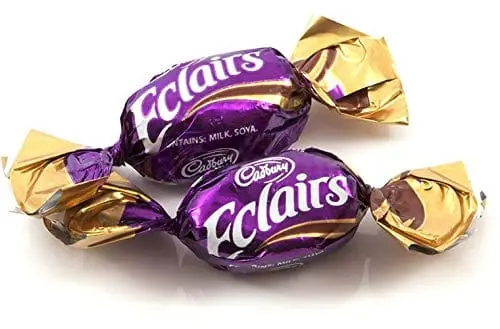
Toffees are generally built around a caramel or sugar base with fruit, spice, or flavor extracts, while chocolates contain actual cocoa-based coating or filling. Many popular “chocolate” items like Cadbury Eclairs blend both elements, but pure toffees like Kismi or Pan Pasand contain no chocolate at all.
Q2. Is Hajmola Candy genuinely different from regular candy, or is the digestive benefit just marketing?
It’s a genuine functional product rather than pure marketing — Hajmola Candy is formulated with traditional digestive herbs and spices specifically intended to aid digestion after meals, distinguishing it meaningfully from standard toffees that exist purely for taste.
Q3. Why do regional brands like Boom remain popular despite having far less advertising than Parle or Cadbury?
These brands rely on consistent local availability and price stability rather than national marketing campaigns, building loyalty through reliable presence at small local shops in semi-urban and rural markets where major national brands sometimes have less consistent distribution.
Q4. Are these one-rupee toffees suitable for anyone with dietary restrictions or health concerns?
This varies by product, and it’s worth checking individual ingredient lists, since most standard toffees contain significant sugar content regardless of their flavor profile. Hajmola Candy specifically markets digestive benefits, but it shouldn’t be treated as a substitute for proper dietary guidance if you have specific health conditions requiring sugar moderation.