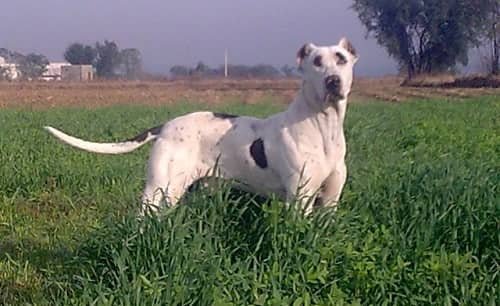
The “Pakistani Bully dog” is a term used widely across India and Pakistan to describe powerful, heavily built bully-type dogs originating from the Pakistani subcontinent — most commonly referring to the Gull Dong (also called the Pakistani Bull Dog), the Gull Terrier, or occasionally the Bully Kutta (the largest and most imposing of the Pakistani working dog breeds). These are not recognised international kennel club breeds in the conventional sense — they are indigenous South Asian working and fighting dog types developed over centuries in the Punjab, Sindh, and surrounding regions, and they are among the most powerful, confident, and demanding dogs found anywhere on the subcontinent.
In India, interest in Pakistani Bully dogs has grown steadily through 2022–2025, particularly in Punjab, Haryana, and Uttar Pradesh, where the cultural tradition of large, powerful working and guard dogs has a long history. If you are searching for the Pakistani Bully dog price in India in 2026, this guide gives you accurate pricing for all relevant types, honest temperament realities, the important legal and ethical context, and the complete information needed to make a responsible decision about these extraordinary but demanding dogs.
| Attribute | Details |
| Origin | Punjab / Sindh regions of Pakistan — centuries-old working dogs |
| KCI/FCI Recognition | Not formally recognised by international kennel clubs |
| Best For | Very experienced handlers, large rural properties, farm security |
| NOT Suitable For | Apartments, first-time owners, urban households without large secure space |
| Legal Status in India | Not nationally banned; some municipal restrictions — verify locally |
| Monthly Maintenance | Rs. 8,000 – Rs. 22,000 |
| Climate Suitability | Good — short coat; South Asian origin provides heat tolerance |
About the Pakistani Bully Breeds
The working dog tradition of the Punjab and Sindh regions spans centuries. The Indian subcontinent’s hot, demanding climate, combined with the historical need for dogs capable of guarding large agricultural estates, controlling livestock, and functioning as personal security companions for landowners, produced several distinct and formidable dog types that evolved largely independently of European kennel club influence.
The Bully Kutta — whose name translates approximately as “heavily wrinkled dog” or “large dog” in Punjabi/Urdu — is the most ancient and most imposing of Pakistan’s native breeds. A giant, powerful mastiff type believed to have descended from dogs brought to the subcontinent by ancient Persians and further developed by local breeders over centuries, the Bully Kutta can exceed 90 kg in large males. It is Pakistan’s most celebrated native dog and is considered a matter of national pride in certain Pakistani breeding communities, with lineages carefully maintained across generations of breeders in Sindh and Punjab.
The Gull Dong is a cross between the Gull Terrier (a Pakistani bull terrier type) and the Bully Kutta, producing a more athletic, medium-large working dog with the Bully Kutta’s courage and the Gull Terrier’s speed and gameness. The Gull Dong is the type most commonly available in India under the “Pakistani Bully dog” label — more manageable in size than the full Bully Kutta but carrying all the drive, confidence, and physical capability of its working heritage.
The Gull Terrier is Pakistan’s contribution to the bull terrier tradition — a lean, athletic, powerful working dog that resembles a more muscular and driven version of the English Bull Terrier, developed from bull terrier stock introduced during the British colonial era and subsequently refined in Pakistani working dog culture.
In India, these breeds have crossed the border primarily through Punjab — where cultural, linguistic, and historical connections with Pakistan’s Punjab create natural pathways for dog breed exchange. The traditional dog-keeping culture of Indian Punjab has embraced these powerful working types, with established breeding communities in Ludhiana, Amritsar, Jalandhar, and surrounding areas maintaining Gull Dong and Bully Kutta bloodlines.
Pakistani Bully Dog Price in India 2026 — City-Wise Breakdown
| City / Category | Gull Dong | Bully Kutta | Gull Terrier |
| Punjab (Ludhiana, Amritsar, Jalandhar) | Rs. 20,000 – Rs. 65,000 | Rs. 30,000 – Rs. 95,000 | Rs. 15,000 – Rs. 45,000 |
| Delhi / NCR | Rs. 25,000 – Rs. 75,000 | Rs. 35,000 – Rs. 1,10,000 | Rs. 18,000 – Rs. 52,000 |
| Haryana / UP | Rs. 18,000 – Rs. 60,000 | Rs. 28,000 – Rs. 90,000 | Rs. 14,000 – Rs. 42,000 |
| Mumbai | Rs. 28,000 – Rs. 80,000 | Rs. 40,000 – Rs. 1,20,000 | Rs. 20,000 – Rs. 58,000 |
| Bangalore / Hyderabad | Rs. 25,000 – Rs. 72,000 | Rs. 35,000 – Rs. 1,00,000 | Rs. 18,000 – Rs. 52,000 |
| Tier-2 Cities | Rs. 12,000 – Rs. 45,000 | Rs. 20,000 – Rs. 70,000 | Rs. 10,000 – Rs. 32,000 |
| Documented Bloodline / Premium | Rs. 50,000 – Rs. 80,000 | Rs. 80,000 – Rs. 1,20,000 | Rs. 35,000 – Rs. 55,000 |
Note: Pakistani Bully dogs — particularly the Gull Dong and Bully Kutta — are sold with minimal formal documentation in most Indian markets. Price reflects the seller’s assessment of bloodline quality, physical conformation (size, head structure, musculature), and working lineage rather than kennel club documentation. Buyers should visit in person, see both parents where possible, and assess physical conformation carefully. Dogs marketed as “Pakistani Bully” without viewing parents or bloodline history should be purchased with appropriate caution.
The Three Main Types — Detailed Profiles
The Bully Kutta is the patriarch of Pakistan’s native working dog tradition. Enormous — males commonly reaching 80–90 kg and occasionally exceeding this — with a loose-skinned, heavily wrinkled face, a massive broad head, and a deep, barrel-chested body that conveys extraordinary power even at rest. The coat is typically short — white, fawn, brindle, or piebald. In its working context, the Bully Kutta was used for estate guarding, large game hunting, and as a symbol of wealth and status among Punjab and Sindh landowners. In India, it is primarily kept by serious large breed enthusiasts in Punjab and Haryana on large farm properties.
The Gull Dong is the more athletic and more widely available of the Pakistani Bully types. Its Bully Kutta × Gull Terrier heritage gives it a size range of 30–45 kg — significantly more manageable than the full Bully Kutta while retaining its courage and working drive. The Gull Dong is typically more energetic and higher-drive than the Bully Kutta, reflecting its Gull Terrier component. It is the Pakistani Bully type most commonly available across India outside Punjab.
The Gull Terrier resembles a powerful, leaner working dog with roots in bull terrier heritage refined for South Asian conditions. At 20–30 kg, it is the smallest of the three and the most athletic. Its drive and gameness are significant — it was historically used for various working roles and is energetic, alert, and requiring consistent experienced management.
Temperament & Suitability
Pakistani Bully dogs — across all three types — share temperament characteristics that reflect their working heritage as guard dogs and hunting companions for confident, experienced South Asian landowners. They are not companion breeds in the conventional sense. Their defining characteristics are loyalty to their immediate family/handler, strong territorial instincts, significant dominance in canine social hierarchies, and a physical confidence that does not back down from confrontation.
The Bully Kutta, in experienced hands with a genuine working context (large property to guard, experienced handler who has managed large dominant breeds before), can be a remarkably calm and controlled dog. Its size alone is a deterrent that rarely needs to be backed by actual aggression. In the wrong hands — inexperienced management, inadequate space, insufficient socialisation — the combination of size, drive, and dominant instinct creates genuinely serious management challenges.
All three types require: extensive socialisation from puppyhood (exposure to diverse people, environments, and animals during the 8–16 week critical period), consistent positive reinforcement-based training from day one, a handler who is physically capable of managing a 40–90 kg dog and psychologically confident enough to provide consistent leadership, and large secure outdoor space appropriate to the dog’s size and territorial needs.
These breeds are genuinely not appropriate for apartments, small urban plots, first-time large dog owners, or households seeking a calm, easygoing companion. Their working heritage and significant capability make them rewarding for experienced handlers in appropriate environments — genuinely challenging and potentially dangerous in inappropriate ones.
Factors That Affect the Price
- Type: Bully Kutta is the most expensive due to size and prestige; Gull Dong mid-range; Gull Terrier most accessible.
- Physical Conformation: Head size, body mass, muscular development, and general physical imposingness drive pricing in this market more than documentation does.
- Bloodline Reputation: Established Pakistani Bully breeding families in Punjab with multi-generational dogs of known working heritage command significant premiums.
- Size: Larger individuals command higher prices — particularly for the Bully Kutta where very large males (80 kg+) are most prized.
- Colour: White Bully Kuttas are traditionally most valued; brindle and fawn also popular.
- Documentation: Limited formal documentation exists — price is primarily determined by physical assessment and seller reputation.
Health & Lifespan
Pakistani Bully dogs, as working breeds shaped by functional selection rather than show-ring aesthetics, are generally robust. The Bully Kutta in particular shows lower rates of the hereditary conditions that affect many modern European breeds. Hip dysplasia occurs at lower rates than in popular European large breeds. Bloat (GDV) is a significant risk for the deep-chested Bully Kutta — feeding 2–3 meals rather than one large meal and avoiding vigorous post-meal exercise are important preventive measures. Prophylactic gastropexy at time of spaying/neutering is recommended.
The Gull Dong shares some of the working dog health robustness of its parent breeds. Skin conditions are occasionally documented — the short coat requires attention in humid Indian coastal conditions. Regular tick and flea prevention is essential, particularly for dogs kept on rural properties.
Lifespans range from approximately 8–10 years for the Bully Kutta (giant breed — shorter lifespan) to 10–13 years for the Gull Dong and Gull Terrier.
Monthly Maintenance Cost in India (2026 Estimate)
| Cost Category | Gull Dong | Bully Kutta |
| Premium Dog Food | Rs. 3,000 – Rs. 6,000/month | Rs. 5,500 – Rs. 10,000/month |
| Grooming (short coat) | Rs. 600 – Rs. 1,200/session; monthly | Rs. 800 – Rs. 1,500/session |
| Veterinary Care (annual) | Rs. 8,000 – Rs. 18,000 | Rs. 10,000 – Rs. 22,000 |
| Training (strongly recommended) | Rs. 10,000 – Rs. 30,000 (course) | Rs. 10,000 – Rs. 30,000 (course) |
| Vaccinations & Preventives | Rs. 2,500 – Rs. 5,000 annually | Rs. 3,000 – Rs. 6,000 annually |
| Total Monthly Estimate | Rs. 8,000 – Rs. 16,000 | Rs. 12,000 – Rs. 22,000 |
Conclusion
The Pakistani Bully dog — whether the giant Bully Kutta, the athletic Gull Dong, or the driven Gull Terrier — represents the subcontinent’s own powerful working dog tradition, shaped by centuries of Punjab and Sindh breeding culture into dogs of extraordinary capability, physical presence, and territorial loyalty. In India in 2026, these breeds are available at accessible prices but demand a level of experienced management, property infrastructure, and handler commitment that must be honestly assessed before purchase. For serious working dog enthusiasts in appropriate environments — large rural properties, experienced handling backgrounds, genuine working or guarding contexts — the Pakistani Bully tradition offers a uniquely South Asian working dog experience of remarkable depth and heritage. For everyone else, these magnificent dogs are best admired at a respectful distance.
Frequently Asked Questions (FAQs)
Q1. What is the Pakistani Bully dog price in India in 2026?
A: Pakistani Bully dog prices in India in 2026 vary by type. The Gull Dong ranges from Rs. 18,000 to Rs. 80,000 depending on city and bloodline. The Bully Kutta ranges from Rs. 28,000 to Rs. 1,20,000. The Gull Terrier ranges from Rs. 14,000 to Rs. 55,000. Premium bloodlines from established Pakistani Bully breeding families in Punjab command the upper end of these ranges.
Q2. What is the difference between a Pakistani Bully, Gull Dong, and Bully Kutta?
A: The Bully Kutta is Pakistan’s ancient giant mastiff type — the largest and most imposing, reaching 80–90 kg or more. The Gull Dong is a cross between the Gull Terrier and Bully Kutta — more athletic and more widely available at 30–45 kg. The Gull Terrier is a leaner, terrier-heritage working dog at 20–30 kg. “Pakistani Bully dog” is a general term used in India to describe any of these types or crosses between them.
Q3. Is the Pakistani Bully dog suitable for Indian apartments?
A: Definitively no. These breeds require large, securely fenced outdoor space proportionate to their size and territorial instincts. The Bully Kutta in particular needs estate-scale space. Even the Gull Terrier at 20–30 kg is unsuitable for apartments given its working drive and exercise requirements. These are working dogs designed for large rural or semi-rural properties — apartment keeping creates welfare problems and management risks.
Q4. Are Pakistani Bully dogs legal in India?
A: No national ban exists in India on Pakistani Bully dogs, Gull Dongs, Bully Kuttas, or Gull Terriers as of March 2026. Some municipal corporations may have restrictions on large, powerful breeds classified as dangerous. The AWBI’s ongoing breed-specific guideline development should be monitored. More practically — these breeds are entirely legal to own but demand responsible ownership that is genuinely demanding. Never acquire one without honest self-assessment of your management capability and property infrastructure.
Q5. How does the Bully Kutta compare to the Kangal or Alabai?
A: All three are ancient large working dogs from South/Central Asian heritage with impressive physical capability. The Bully Kutta is typically the heaviest (80–90+ kg vs the Kangal and Alabai’s 40–65 kg range). The Kangal is generally considered more specifically refined as a livestock guardian with better documented breed standards. The Alabai has the longest and most extensively documented breeding history among nomadic Central Asian peoples. The Bully Kutta has the strongest sub-continental cultural heritage of the three for Indian and Pakistani buyers. All three are genuinely demanding and require experienced handlers.