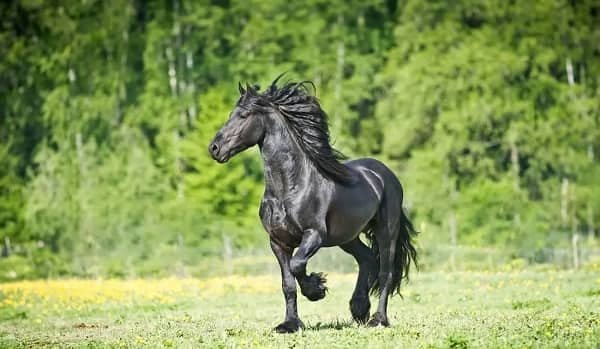
The Friesian is, by almost any aesthetic measure, one of the most breathtaking horse breeds in existence. Originating from the Friesland province of the Netherlands, this ancient breed combines a jet-black coat — so deep it absorbs light rather than reflecting it — with an extraordinarily thick, flowing mane and tail, heavily feathered lower legs that cascade over the hooves, and a naturally elevated, expressive movement style that makes every step look like a performance. In India, Friesians occupy the absolute premium tier of the horse market — they are imported animals with significant transportation, health certification, and documentation costs baked into their price, and the ongoing expenses of maintaining them properly in the Indian climate add further layers of commitment that buyers must understand clearly.
Legal Status and Import Requirements
Friesian horses are not bred in India in any meaningful numbers — the Indian Friesian market is almost entirely dependent on imports from the Netherlands, Germany, Belgium, and occasionally South Africa or the United States. Importing horses into India requires compliance with the Animal Quarantine and Certification Services (AQCS) protocols under the Department of Animal Husbandry, veterinary health certificates from the country of origin, testing for a range of equine diseases, and a mandatory quarantine period on arrival. These procedural requirements add considerable cost and time to every legitimate Friesian import — typically ₹3,00,000 to ₹8,00,000 in import-related expenses over and above the horse’s purchase price abroad.
Factors That Determine Friesian Prices in India
Registration and studbook grading is the primary price determinant for serious buyers. The KFPS (Royal Friesian Horse Studbook) in the Netherlands maintains the official breed registry, and horses with KFPS papers and assigned star ratings — ranging from “ster” (star) to “preferent” and ultimately “model” for the very best specimens — carry significant premiums. An unregistered or Friesian-cross horse will cost dramatically less but offers none of the breed guarantee and resale value that a registered animal provides.
Age and training level shape price significantly. Young horses of two to four years with basic ground manners but limited riding training sit in a different price tier from fully trained riding horses of six to ten years with established movement quality and competitive or display experience. Breeding quality — particularly for mares with strong KFPS lines — adds further premium for buyers interested in eventually producing Friesian foals in India.
Friesian Horse Price Ranges in India
| Category | Price Range (₹) | Notes |
| Friesian-cross (unregistered) | ₹3,00,000 – ₹8,00,000 | Part-bred animals, lower breed guarantee |
| Imported Friesian (unregistered / basic papers) | ₹15,00,000 – ₹30,00,000 | Import costs included |
| Registered KFPS Friesian (ster grade) | ₹30,00,000 – ₹60,00,000 | Verified studbook registration |
| Premium KFPS Friesian (preferent / top grade) | ₹60,00,000 – ₹1,50,00,000 | Champion movement, top bloodlines |
| Elite breeding stallion / approved sire | ₹1,50,00,000 – ₹4,00,00,000+ | Approved KFPS sires, extraordinary rarity in India |
Setup and Ongoing Maintenance Costs in India
| Expense | Monthly / Annual Cost (₹) | Notes |
| Premium stable / livery boarding | ₹15,000 – ₹40,000/month | Climate control important for Friesian comfort |
| Feed (quality hay, grain, supplements) | ₹12,000 – ₹25,000/month | Higher nutritional needs than native breeds |
| Farrier (every 6 weeks) | ₹3,000 – ₹6,000/visit | Feathered feet require careful hoof management |
| Veterinary care (annual) | ₹30,000 – ₹80,000 | Regular dental, vaccination, health checks |
| Grooming and coat/feather maintenance | ₹5,000 – ₹15,000/month | Extensive mane, tail, and feather care |
| Trainer / exercise rider | ₹15,000 – ₹40,000/month | Maintaining movement quality requires skilled handling |
Climate Considerations for Friesians in India
The Friesian’s Netherlands origins present a genuine challenge in India’s climate. The breed evolved in a cool, temperate environment — Indian summers, particularly in northern and central India, can cause genuine thermal stress in Friesians not properly acclimatised and housed. Premium stabling with adequate ventilation, cooling systems in extreme heat, and careful management of exercise schedules during summer months are non-negotiable considerations for Friesian welfare in the Indian context. Friesians maintained in cooler regions of India — hill stations, parts of Himachal Pradesh, certain highland areas — adapt more comfortably than those kept in the plains during peak summer.
The total annual maintenance cost for a properly kept Friesian in India realistically runs ₹5,00,000 to ₹12,00,000, making them not just the most expensive horses to acquire in the Indian market but among the most expensive to maintain year-round. For buyers who can make that commitment — to cost, climate management, skilled handling, and quality feed — a Friesian in good condition is an animal of extraordinary presence and beauty that draws admiration wherever it appears.