When you are standing in a showroom looking at hundreds of different sheets of laminate, it is easy to get overwhelmed by the sheer variety of colors and patterns. Most people pick based on what looks “pretty” in that specific moment, but as anyone who has lived through a home renovation will tell you, a kitchen is not a bedroom, and an office is not a living room. Each space has its own set of stresses, light levels, and usage patterns that dictate which material will actually survive the next ten years.
Choosing the right finish is less about following a trend and more about understanding the “personality” of your room. You want something that looks intentional rather than just convenient. Here is a grounded way to think through the selection process for the three most important zones in your home.
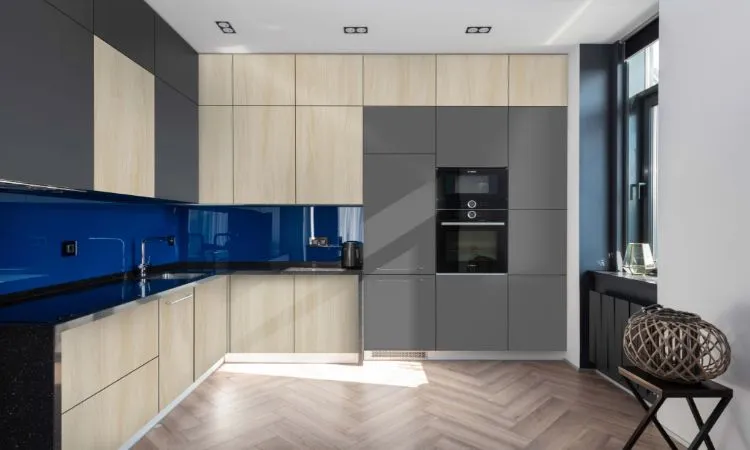
1. Consider the “Traffic” and Touch Points
The first thing to think about is how often you are actually going to touch the surface. In a kitchen, you are constantly opening cabinets with wet or oily hands. In an office, your forearms are resting on the desk for eight hours a day.
For high-touch areas like kitchen base cabinets, a matte or “anti-fingerprint” finish is almost always a smarter move than a high-gloss one. Gloss looks stunning under showroom lights, but in a real Indian kitchen, it tends to highlight every smudge and water spot. On the other hand, for a bedroom wardrobe that you might only touch twice a day, you can afford to go for those more delicate, high-shine textures that add a sense of luxury.
2. Matching Texture to Functionality
Texture is where a lot of homeowners get caught out. A deeply embossed wood-grain Laminate looks incredibly realistic and feels great to the touch, which makes it perfect for a bedroom feature wall or a study desk. It adds a layer of “warmth” that makes a room feel less like a box.
However, that same deep texture can be a nightmare in a kitchen. Grease and spice dust have a habit of settling into those tiny grooves, making the cleaning process much more labor-intensive than it needs to be. For kitchen shutters, it is usually better to stick to smoother sufaces or very subtle textures that can be wiped clean with a single pass of a damp cloth. Advance Laminates offers a range of “Suede” finishes that strike a nice balance here, they feel soft but are still very practical for maintenance.
3. Let the Lighting Dictate the Tone
Light changes everything. If you have a small home office with a tiny window, dark walnut or charcoal tones might make the space feel a bit like a cave. In cramped or dimly lit rooms, lighter shades like ash, cream, or pale greys help bounce the light around, making the area feel more expansive.
Conversely, if you have a bedroom with massive windows and lots of natural sunlight, very light or glossy surfaces might cause a distracting glare. This is where you can experiment with richer, darker tones. A deep chocolate or navy blue wardrobe can act as an “anchor” for the room, making it feel cozy and private rather than washed out.
4. Durability is Non-Negotiable for Workspaces
When choosing for an office desk or a kitchen countertop, you have to look at the technical specs. Not all sheets are created equal. You want to look for “High-Pressure Laminates” (HPL) for work surfaces because they are designed to resist heat, scratches, and impact.
Think about your office desk. You are moving a mouse across it thousands of times a day, sliding laptops, and placing hot coffee mugs. A standard decorative sheet might start showing “burnished” or shiny spots in the areas where your wrists rub against the edge. Investing in a slightly thicker, more durable grade ensures that your workspace doesn’t look “weathered” within the first year of use.
5. Create a Cohesive “Flow”
It is tempting to treat every room as a completely separate project, but a home feels much more expensive and well-designed when there is a common thread. You don’t have to use the exact same laminate everywhere, but try to keep the “undertones” consistent.
If your kitchen has a cool-toned grey marble look, moving into a bedroom with a very warm, yellowish honey-oak wardrobe can feel a bit jarring. A simple trick is to pick a “base” wood grain or neutral tone and use variations of it throughout the house. Maybe it’s the main finish in the living room and becomes the “accent” inside the open shelves of the kitchen. This creates a visual story that makes the entire house feel like one continuous thought.
A Practical Approach to Longevity
At the end of the day, your home should be easy to live in. Advance Laminates focuses on providing options that don’t just look good on day one, but stay that way even after years of monsoon humidity and daily wear.