India is the world’s most concentrated geography of spiritual sites — a subcontinent where virtually every mountain, river, forest, and ancient town carries layers of religious significance that predate recorded history. For travellers seeking not religion specifically but the peace, perspective, and genuine quiet that spiritual places provide — the stillness of a temple at dawn, the specific quality of silence in a mountain monastery, the meditative focus that flowing water produces — India offers an unparalleled travel experience.
The destinations below are chosen not merely for religious significance but for the particular quality of peace they offer to the genuinely open traveller.
Varanasi, Uttar Pradesh
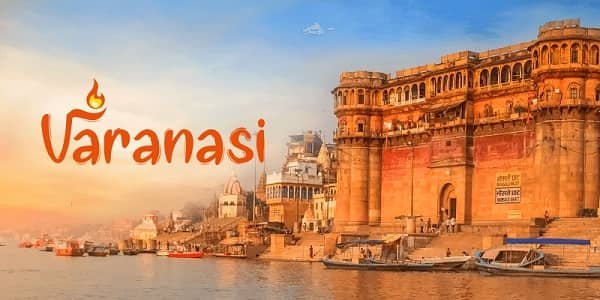
No list of India’s spiritual destinations can begin anywhere else. Varanasi is the world’s oldest continuously inhabited city — a place where the Hindu relationship with life, death, and the river has been practised without interruption for three thousand years. The city overwhelms on first contact — the ghats descending to the Ganga, the smoke from the cremation pyres at Manikarnika, the narrow lanes dense with temples, pilgrims, and the city’s perpetual sensory intensity.
Peace in Varanasi is found in the spaces between — a dawn boat ride on the Ganga before the day’s activity begins. The Ganga Aarti at Dashashwamedh Ghat as darkness falls — fire, bells, chanting, and the river in a ritual that has continued every evening for centuries. The back lanes of the old city where temple bells mark the hours and the city’s ancient rhythm persists beneath the tourist surface.
Varanasi doesn’t offer the stillness of a mountain monastery or an empty beach. It offers something different and rarer — the peace that comes from sitting at the junction of life and death and finding that both are entirely ordinary and entirely sacred simultaneously.
Bodh Gaya, Bihar
The place where Siddhartha Gautama attained enlightenment under the Bodhi tree — the most sacred site in Buddhism and one of the most quietly powerful spiritual places on earth. The Mahabodhi Temple complex in Bodh Gaya is UNESCO listed, and its surroundings include monasteries built by Buddhist nations from across Asia — a Sri Lankan monastery, a Thai monastery, a Tibetan monastery, a Japanese monastery — each expressing the architectural vocabulary of their tradition in the same town.
The experience of sitting under the Bodhi tree’s descendant at dawn — with monks chanting in the pre-light, the fragrance of incense, and the specific stillness that thousands of years of meditation practice in one location seem to have deposited into the atmosphere — is available to anyone regardless of their personal relationship with Buddhism.
Rishikesh, Uttarakhand
The yoga capital of the world sits where the Ganga descends from the Himalayas into the plains — the river still fast and clear, still green with Himalayan minerals, still running with the energy of its mountain origins. Rishikesh has developed considerably from the quiet ashram town that attracted the Beatles in 1968, but its spiritual infrastructure remains remarkably intact beneath the commercial surface.
The evening Ganga Aarti at Triveni Ghat — simpler and less theatrical than Varanasi’s ceremony but more intimate — takes place every evening as the mountains darken behind the river. The ashrams that line the ghats offer genuine meditation, yoga, and Vedanta study programmes. The forest temples accessible by foot from the town provide solitude within walking distance of the main ghat.
Tawang, Arunachal Pradesh
India’s highest Buddhist monastery — the Tawang Monastery, founded in the 17th century and home to approximately 500 monks — sits at 3,000 metres in one of the most remote corners of the country. The monastery’s scale is the first thing that registers — a town unto itself on a hilltop, its prayer halls, residential quarters, and golden-roofed temples creating a complete self-contained world above the valley.
The sound of monks chanting the morning puja — beginning before sunrise, the bass of the long horns resonating through the cold mountain air — is one of the most transportive experiences available to any traveller in India. Tawang’s remoteness, which requires commitment to reach, becomes its spiritual asset once you arrive — the distance from the ordinary world is experienced physically as well as atmospherically.
Auroville, Puducherry
Founded in 1968 as an experiment in human unity beyond nationality, religion, and politics — Auroville is not a traditional spiritual destination. There is no deity worshipped here, no ritual calendar, no pilgrimage circuit. What Auroville offers is the Matrimandir — a golden spherical meditation chamber at the community’s centre that is accessible to visitors for silent meditation during specific hours.
The experience of sitting in the Matrimandir’s inner chamber — in absolute silence, in a perfectly circular white room, with a shaft of light from the apex focused on a crystal at the centre — is unlike any other spiritual experience available in India. It is specific, designed, and profoundly effective for those who approach it without specific religious expectation.
Amritsar, Punjab
The Golden Temple — Harmandir Sahib — is simultaneously one of India’s most architecturally beautiful buildings and its most emotionally accessible spiritual site. The temple’s practice of langar — the community kitchen that feeds approximately 100,000 people daily, regardless of religion, caste, or economic status — enacts the Sikh principle of seva, selfless service, at a scale that makes it the largest free community meal in the world.
Arriving at the Golden Temple in the predawn darkness, walking through the cool marble parikrama, and first seeing the temple’s golden reflection in the sacred pool — the sarovar lit from within — is among the most genuinely moving visual experiences in Indian travel. The atmosphere is simultaneously deeply devotional and openly welcoming to all visitors without exception.
Frequently Asked Questions (FAQs)
Q1. Do these spiritual destinations require any religious belief or practice to be meaningful for visitors?
A: No — and this is one of the most important truths about spiritual travel in India. The peace, architectural beauty, meditative atmosphere, and human warmth available at all of these destinations are accessible to visitors of any religious background or none. Respectful behaviour — appropriate dress, observance of quiet zones, participation in community practices like langar with genuine gratitude — is the only requirement. India’s spiritual culture has historically been among the world’s most genuinely welcoming to sincere visitors regardless of their specific tradition.
Q2. What is the best time to visit these spiritual destinations for the most authentic experience?
A: Early morning at every destination provides the most authentic and peaceful experience — before tourist traffic arrives and before the day’s commercial activity begins. The pre-dawn to 8 AM window at the Golden Temple, Varanasi’s ghats, Bodh Gaya’s Bodhi tree complex, and Rishikesh’s ghat aarti represents India’s spiritual life at its most genuine and most intimate. Building travel schedules around early morning access to these sites is the single most effective spiritual travel practice.
Q3. Are there accommodation options within or near these spiritual sites for extended stays?
A: All of these destinations have specific accommodation designed for spiritual visitors. Bodh Gaya has monastery guesthouses from multiple Buddhist nations offering simple, affordable accommodation. Varanasi has ashram accommodation near the ghats. Rishikesh has ashrams offering residential programmes that include accommodation, meals, and practice schedules. The Golden Temple provides free accommodation — Guru Ram Dass Niwas — to pilgrims and visitors on a first-come basis. Auroville has a guest house infrastructure for visitors doing genuine community engagement.
Q4. Is Varanasi’s intensity manageable for travellers who are sensitive to sensory overload?
A: Varanasi requires psychological preparation more than any other destination in India. The cremation ghats, the density of activity, and the city’s unfiltered confrontation with mortality can be overwhelming for unprepared visitors. Staying in a ghat-adjacent guesthouse — experiencing the city on foot and by boat at chosen hours rather than through organised tours — allows visitors to control their exposure level. Dawn boat rides provide Varanasi’s spiritual essence with minimum intensity. Building in unhurried time and not over-scheduling allows the city’s deeper qualities to emerge.
Q5. How much time should be allocated for a meaningful visit to each of these destinations?
A: Bodh Gaya deserves two to three days for the Mahabodhi complex and surrounding monasteries. Varanasi requires three to five days for the rhythm of ghat life to become familiar enough to be genuinely peaceful rather than overwhelming. Rishikesh accommodates everything from a single overnight to a two-week ashram stay depending on purpose. The Golden Temple in Amritsar reveals new dimensions with each visit — a single day is sufficient for the essential experience but a second day deepens it considerably. Tawang’s remoteness justifies a minimum four-day visit to justify the access effort.