Delhi’s geographical position in the North Indian plains is occasionally lamented by its residents — unlike Mumbai’s coastal proximity or Bengaluru’s hill station accessibility, Delhi seems surrounded by flatness. This impression is misleading. Within a three to four-hour radius of Delhi sits an extraordinary range of getaway options — Himalayan foothills, Rajasthani fortress towns, heritage circuits, wildlife sanctuaries, and spiritual centres — that make a genuine two-day escape accessible on almost any weekend with the right destination-to-distance matching.
Rishikesh and Haridwar: 240 km, Approximately 5 Hours
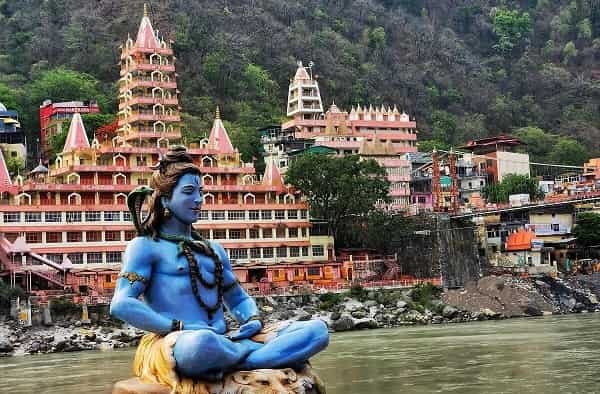
The classic Delhi weekend escape — drive or take the Shatabdi express to Haridwar, spend the afternoon at the Ganga ghats and the evening Aarti at Har Ki Pauri, then drive 25 kilometres up to Rishikesh for the night. Day two in Rishikesh — morning yoga, a Ganga Aarti at Triveni Ghat at sunrise, white water rafting, the Beatles Ashram, and the Ram Jhula area’s café circuit. Return to Delhi by evening.
This itinerary delivers Himalayan river landscape, spiritual experience, adventure activity, and café culture within a framework that’s entirely manageable in two days without feeling rushed.
Best Season: September to November and February to April. Avoid monsoon season for rafting.
Agra: 230 km, Approximately 3.5 Hours
The Taj Mahal deserves its reputation — and it rewards early morning visits in the golden light before crowds arrive. A two-day Agra trip allows the Taj Mahal at sunrise on Day One, Agra Fort in the late morning, Fatehpur Sikri — the abandoned Mughal capital 40 kilometres from Agra — in the afternoon, and Mehtab Bagh at sunset for the Taj’s silhouette across the Yamuna. Day two for Itimad-ud-Daulah, local shopping in Kinari Bazaar, and the drive back.
Agra’s best accommodation is around the Taj Ganj area where boutique guesthouses offer the most practical base for walking to the monument at various times of day.
Best Season: October through March. Avoid summer for physical comfort during long monument walks.
Jaipur: 280 km, Approximately 5 Hours
The Pink City’s density of experiences makes it one of India’s best weekend destinations from Delhi. Day one — Amber Fort in the morning when it’s coolest, the City Palace complex, Hawa Mahal’s facade, and the old city bazaars in the afternoon and evening. Day two — Jantar Mantar, Nahargarh Fort for the view over the city, and the Johri Bazaar for textiles and jewellery before the drive back.
The Jaipur-Delhi expressway has made this journey significantly more comfortable — the road quality allows a relaxed drive.
Best Season: October to February. Jaipur’s famous Makar Sankranti kite festival in January adds a specific cultural dimension to a winter visit.
Jim Corbett National Park: 260 km, Approximately 5 Hours
India’s first national park and one of its most biodiverse — Jim Corbett offers wildlife safari experiences that are particularly rewarding for tiger sightings in the Dhikala zone. A two-day Corbett visit allows an afternoon arrival, two safari sessions — a dawn safari and afternoon safari on Day Two — and a morning walk through the buffer zone before the drive back.
Accommodation ranges from government forest rest houses — book months in advance — to comfortable private resorts in the Ramnagar buffer zone.
Best Season: November to June. The park partially closes during the monsoon.
Bharatpur — Keoladeo Bird Sanctuary: 180 km, Approximately 3 Hours
One of India’s most important bird sanctuaries — a UNESCO World Heritage Site that is also one of the most accessible from Delhi. The Keoladeo National Park in Bharatpur receives thousands of migratory birds between October and March — including the Siberian crane in peak season. The park is navigable by cycle rickshaw through its flat, wetland terrain, making it accessible for all fitness levels.
Bharatpur can be combined with Agra for a two-destination weekend — the two cities are 55 kilometres apart, allowing a morning in Bharatpur followed by the Taj Mahal afternoon.
Best Season: October through March for migratory birds.
Lansdowne, Uttarakhand: 260 km, Approximately 5 Hours
Uttarakhand’s least-visited, most peaceful hill station — a cantonment town in the lower Himalayan foothills that has deliberately resisted commercialisation. Lansdowne is a destination for the traveller who wants genuine quiet — forest walks, an unhurried market street, the Garhwali Rifles regimental museum, and the Bhim Pakora rock formation viewpoint. No theme parks, no crowded mall roads, no tourist circuit — simply clean air, pine forests, and the distinctive charm of a hill station that time has treated gently.
Best Season: March to June and September to November.
Mandawa — Shekhawati Region, Rajasthan: 260 km, Approximately 4.5 Hours
Rajasthan’s open-air fresco museum — the Shekhawati region’s merchant haveli towns of Mandawa, Nawalgarh, Fatehpur, and Jhunjhunu contain some of the world’s most remarkable outdoor mural art. The painted havelis of Shekhawati’s merchant families — covered floor to ceiling in mythological scenes, British-era genre paintings, and decorative motifs — are one of India’s most undervisited artistic treasures. Walking through these towns at dawn before tour groups arrive is among the most extraordinary cultural experiences accessible from Delhi.
Best Season: October to February.
Frequently Asked Questions (FAQs)
Q1. Which of these destinations is best for a Delhi weekend trip that doesn’t involve early starts?
A: Lansdowne and Jaipur both accommodate relaxed itineraries without requiring pre-dawn starts to avoid crowds. Jaipur’s monuments are large enough that even mid-morning arrival at Amber Fort provides a rewarding experience. Lansdowne’s entire appeal is its unhurried pace — nothing there demands an early arrival. Bharatpur’s bird sanctuary is most rewarding in early morning but remains worthwhile through mid-morning for visitors who prefer a later start.
Q2. Which destination has the best road connectivity from Delhi in terms of expressway quality?
A: The Delhi-Agra Yamuna Expressway and the Delhi-Jaipur Expressway offer India’s best highway driving experiences in the Delhi region — smooth, fast, and increasingly well-serviced with food and fuel stops. Rishikesh-Haridwar via NH-58 has improved significantly with ongoing upgrades. Jim Corbett’s access via NH-9 through Moradabad is the most traffic-intensive route among these destinations — starting before 6 AM significantly improves the journey time.
Q3. Is a car necessary for these weekend trips or are train and bus options adequate?
A: Train options are excellent for Agra — Gatimaan Express from Hazrat Nizamuddin makes the journey in 100 minutes. Jaipur has multiple daily trains including Shatabdi services. Haridwar and Rishikesh are served by overnight trains and the Shatabdi. Jim Corbett requires either a private vehicle within the park or the resort’s safari vehicles — a personal car gives more flexibility on arrival and departure timing. Shekhawati and Lansdowne are most practically reached by personal vehicle given limited direct public transport.
Q4. What is a realistic budget for these weekend trips including travel, accommodation, and activities?
A: Per-person budgets for a comfortable two-day weekend: Agra ₹4,000 to ₹7,000 including comfortable guesthouse, monument entries, and meals. Rishikesh-Haridwar ₹5,000 to ₹8,000 including rafting. Jaipur ₹6,000 to ₹10,000 including fort entries and shopping budget. Jim Corbett ₹8,000 to ₹15,000 given the higher accommodation costs in or near the park. Lansdowne and Bharatpur ₹4,000 to ₹7,000 each as simpler, quieter destinations with more accessible accommodation.
Q5. How far in advance should weekend trips from Delhi be planned for accommodation booking?
A: For October through February peak season — four to six weeks advance booking is recommended for comfortable accommodation at all popular destinations. Jim Corbett’s park-adjacent resorts and forest rest houses book out months in advance for peak season weekends and should be booked as early as possible. Lansdowne and Shekhawati’s lower visitor volumes mean one to two weeks advance booking is usually sufficient year-round. For Diwali, Christmas, and New Year weekends, three months advance planning is realistic for all destinations.