A hundred rupees — a little over a dollar at current exchange rates — might not sound like much of a budget by American standards, but in India’s chocolate market, it’s genuinely the sweet spot where value and variety finally meet in full force. This is the price bracket where full-size chocolate bars, premium imports, and gift-worthy options all become realistically accessible, without needing to stretch into the genuinely upscale territory reserved for boxed chocolates or artisanal brands. For anyone trying to understand what a modest chocolate budget actually buys in India, or simply curious how far international brands like Snickers and Hershey’s have penetrated the market, this hundred-rupee bracket tells a genuinely complete story.
This price point also matters strategically for the brands competing within it. It’s substantial enough to support genuinely differentiated products — from rich dark chocolate to nut-studded bars to imported American classics — while remaining accessible enough for routine, everyday purchase rather than a special-occasion splurge.
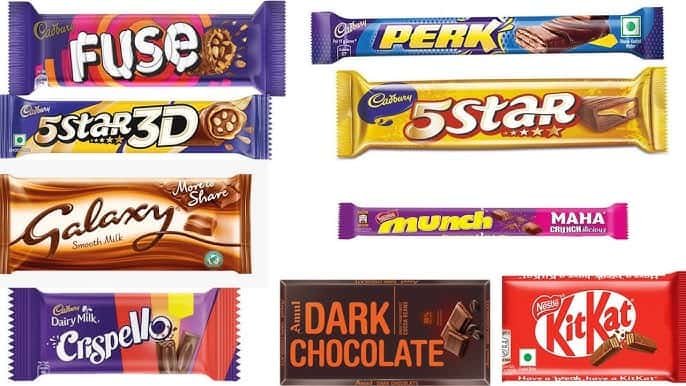
Quick Overview: Popular Chocolates Under 100 Rupees in India
| Chocolate | Brand | Format/Size | Approximate Price |
| Dairy Milk (123g bar) | Cadbury | Full-size milk chocolate bar | ~₹100 |
| Amul Dark Chocolate | Amul | 40g bar | ~₹50 |
| Milkybar Mould | Nestlé | 40g white chocolate | ~₹40 |
| Cadbury Nutties | Cadbury | 30g nut-studded bar | ~₹45 |
| Hershey’s Kisses | Hershey’s | Bite-sized chocolates | Varies by pack |
| Snickers | Mars | Standard bar | ~₹47–50 |
| Cadbury Fuse | Cadbury | Cereal-crunch chocolate bar | ~₹20 |
| Nestlé Munch (Max/Nuts) | Nestlé | 30g–42g wafer bar | ~₹20 |
Why a Hundred Rupees Genuinely Completes the Chocolate Experience
This bracket represents the point where Indian chocolate shopping stops being about compromise and starts being about genuine preference. Below this threshold, buyers are working within real size and format constraints — smaller portions, simpler recipes, fewer premium options. At the hundred-rupee ceiling, full-size bars from major global brands become realistic purchases, dark chocolate options with meaningful cocoa content are readily available, and international names like Hershey’s and Snickers sit comfortably alongside homegrown staples like Amul and Cadbury. It’s genuinely the price point where a chocolate purchase in India starts resembling what a similar purchase might look like in the US or Europe, adjusted for local pricing.
Cadbury Dairy Milk: The Full-Size Version of India’s Favorite
At the top end of this bracket, Dairy Milk’s 123-gram bar delivers the complete, unmistakable version of India’s most trusted chocolate brand, priced right around the hundred-rupee ceiling. This is a genuinely different experience from the miniature 10-rupee versions covered in lower price brackets — a full-size bar meant for genuine enjoyment or sharing, carrying the same smooth, creamy flavor that’s made Dairy Milk the dominant chocolate brand across every age group in the country. For anyone wanting the complete Dairy Milk experience rather than a token taste, this is genuinely the format that delivers it.
Amul Dark Chocolate: Genuine Cocoa-Forward Quality
Amul’s 40-gram dark chocolate bar, priced around fifty rupees, sits comfortably within this bracket while delivering meaningfully higher cocoa content than the milk chocolate options dominating most of the market. This positions it specifically toward consumers who find standard Indian chocolate overly sweet, offering a genuinely more intense, less sugary alternative backed by Amul’s considerable brand trust built over decades in the dairy sector.
Milkybar Mould: White Chocolate at Full Size
Nestlé’s Milkybar Mould, a 40-gram white chocolate bar priced around forty rupees, represents the full-size version of the brand’s popular white chocolate line. Its creamy, gentle sweetness — built from milk solids without cocoa’s characteristic bitterness — continues to appeal primarily to younger consumers and anyone seeking a milder alternative to conventional milk or dark chocolate, and the larger format within this price bracket delivers a genuinely more substantial version of that same appeal.
Cadbury Nutties: The Textured Option
Nutties brings genuine textural variety to this bracket, layering roasted peanuts and almonds into a milk chocolate base for a 30-gram bar priced around forty-five rupees. This nut-studded format appeals specifically to buyers wanting more than a straightforward, smooth chocolate bite — the crunch and additional protein from the nuts create a genuinely different eating experience compared to the smoother options elsewhere in this price range.
Hershey’s Kisses and Snickers: The American Imports
This bracket is genuinely where recognizable American chocolate brands become accessible to everyday Indian consumers. Hershey’s Kisses, with their distinctive teardrop shape and “say it with a kiss” branding, have built real recognition in India despite entering the market more recently than homegrown competitors, offered in flavors including milk chocolate, almond, and cream variants. Snickers, priced around forty-seven to fifty rupees for a standard bar, brings its signature peanut-caramel-nougat combination to Indian shelves largely unchanged from its international formula, giving buyers genuine access to a globally familiar chocolate experience without needing to seek out specialty import stores.
Budget Options Within the Bracket: Fuse and Munch
Not every product in this hundred-rupee ceiling needs to use the full budget. Cadbury Fuse, combining crunchy cereal pieces with milk chocolate for around twenty rupees, and Nestlé Munch’s larger formats — Munch Max and Munch Nuts, both around twenty rupees — offer genuinely satisfying options for buyers who don’t need to spend the full hundred rupees to get a substantial, textured chocolate snack. These options illustrate how this bracket genuinely spans a meaningful range rather than clustering everything near the ceiling price.
What This Bracket Reveals About India’s Maturing Chocolate Market
The genuine diversity on display here — full-size domestic classics, dark chocolate alternatives, textured nut bars, and authentic American imports all coexisting within a single, modest price ceiling — reflects how significantly India’s chocolate market has matured. This isn’t a market limited to one or two dominant options anymore; it’s one where consumers can genuinely choose based on cocoa preference, texture, brand heritage, or international familiarity, all without needing to spend more than roughly a dollar. That level of genuine choice within such an accessible price point is a meaningful indicator of how seriously global and domestic chocolate brands alike are competing for everyday Indian consumers.
Frequently Asked Questions
Q1. Are American brands like Snickers and Hershey’s priced similarly to domestic Indian chocolate brands?
Yes, genuinely comparable within this bracket — both international and domestic brands land in a similar forty-to-hundred-rupee range for standard-size products, reflecting how these global brands have adapted their pricing specifically to remain competitive within the Indian market rather than pricing themselves as premium imports.
Q2. Is Amul Dark Chocolate a good choice if I’m trying to reduce sugar intake compared to typical milk chocolate?
Generally yes, its higher cocoa content means less added sugar relative to standard milk chocolate options, though it’s worth checking the specific cocoa percentage on the packaging, since Amul offers multiple dark chocolate variants with differing sweetness levels.
Q3. What’s the best option under one hundred rupees for gifting rather than personal snacking?
The full-size 123g Cadbury Dairy Milk bar is generally considered the most gift-appropriate option at this price ceiling, since its recognizable branding, generous size, and universal appeal make it a genuinely safe, well-received choice for casual gifting occasions.
Q4. Do textured options like Cadbury Nutties or Fuse actually contain meaningful amounts of nuts or cereal, or is it mostly chocolate with minimal filling?
Both genuinely deliver noticeable texture and flavor contribution from their mix-ins — Nutties includes a real, tangible layer of roasted nuts throughout the bar, while Fuse incorporates genuine crunchy cereal pieces, making both meaningfully different eating experiences from a standard smooth chocolate bar rather than a token addition.