Walk into any small neighborhood shop in India, and you’ll spot a jar or a hanging strip of colorful wrapped candies sitting right by the counter — the kind of impulse buy that costs less than a stick of gum almost anywhere else in the world. In a market where inflation has pushed nearly everything upward, the fact that you can still walk away with a genuine chocolate or toffee for a single rupee is a small, almost stubborn holdout of old-school pricing. For anyone curious about Indian confectionery culture, or simply wondering how this pricing model survives in 2026, this list breaks down exactly what’s still available at that price point and why it matters.
This isn’t just nostalgia bait either. The one-rupee candy segment represents a genuinely distinct slice of India’s massive confectionery market — one built on volume, brand loyalty going back generations, and a customer base that includes millions of kids buying their first-ever chocolate with pocket change. Understanding which brands have managed to hold this price point, and why, tells you something real about how mass-market snacking works in a price-sensitive economy.
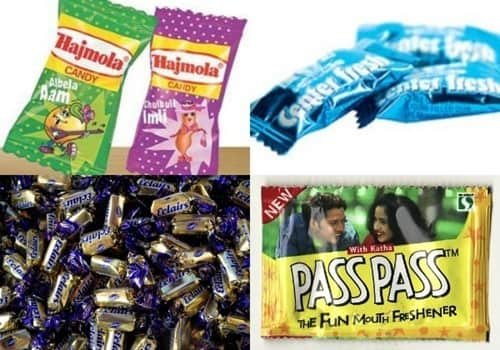
Quick Overview: Popular 1 Rupee Chocolates in India
| Chocolate/Toffee | Brand | Flavor Profile | Notable Feature |
| Cadbury Eclairs | Cadbury (Mondelez) | Milk chocolate with caramel center | India’s most recognized ₹1 chocolate |
| Parle Melody | Parle Products | Caramel-chocolate blend | Famous “so chocolaty” tagline |
| Parle Kismi Toffee | Parle Products | Cardamom and caramel | One of India’s oldest toffee brands, since 1960 |
| Pass Pass | DS Group | Tangy fruit-flavored candy | Known for sour, spiced fruit centers |
| Poppins | Ravalgaon | Fruit-flavored, colorful shells | Multi-flavor tube packaging |
| Coffee Bite | Ravalgaon | Coffee-caramel | Distinct coffee-forward flavor niche |
| Mango Bite | Ravalgaon | Mango-caramel | Popular tangy-sweet combination |
Why the ₹1 Price Point Still Survives
This is genuinely the most interesting part of the whole category. Most confectionery brands have quietly moved their entry-level products up to ₹2, ₹5, or ₹10 over the past decade as raw sugar, cocoa, and packaging costs have climbed. The handful of brands still holding the ₹1 line have done so deliberately, treating it less as a profit center on its own and more as a volume play — building lifelong brand recognition with kids who’ll grow up buying the same company’s pricier products later. It’s a long-game strategy, and it’s part of why the same few names — Parle, Cadbury, and a handful of regional players — keep showing up on every version of this list year after year.
Cadbury Eclairs: The Category’s Default Answer
Ask almost any Indian what a one-rupee chocolate looks like, and Cadbury Eclairs is probably the first thing that comes to mind. Its smooth milk chocolate center wrapped around a golden caramel core has made it a near-universal childhood memory across the country, and it carries the trust that comes with the Cadbury name — the same company behind Dairy Milk, one of India’s best-selling chocolate bars overall. Eclairs has stayed a staple in school canteens and local kirana stores precisely because it delivers a genuine chocolate experience rather than a diluted, cheaper approximation of one.
Parle Melody: The Marketing Success Story
Melody’s staying power owes a lot to its genuinely catchy, decades-old tagline — “Melody is so chocolaty” — which has embedded itself into Indian pop culture in a way few candy slogans ever manage. Beyond the marketing, the product itself delivers a balanced caramel-and-chocolate flavor that isn’t overly sweet or heavy, which is part of why it remains one of the fastest-selling candies at this price point in both urban and rural markets.
Parle Kismi Toffee: The Nostalgic Classic
Kismi has been around since 1960, making it one of the oldest continuously produced toffee brands in the country. Its distinctive pink-and-white wrapper and cardamom-caramel flavor haven’t changed much over the decades, and that consistency is exactly what keeps older customers coming back. The brand has expanded into newer flavors like Rose Milk, Kulfi, Rajbhog, and Meetha Paan in recent years, layering genuine Indian flavor traditions onto a classic caramel base rather than abandoning its roots for something more generic.
Pass Pass: The Tangy Disruptor
Pass Pass took a genuinely different approach when it launched in 2015, built around a tart, spiced fruit flavor rather than straightforward chocolate or caramel. Its raw mango variant became an unexpected hit, leading the brand to expand into pineapple, orange, litchi, and guava flavors. What sets Pass Pass apart is its use of dried mango powder, sour salt, and spice blends inside the candy — flavor combinations that lean into distinctly Indian taste preferences rather than following a Western candy template.
The Ravalgaon Trio: Poppins, Coffee Bite, and Mango Bite
Ravalgaon has carved out a genuine niche with a small family of flavor-specific candies that have stuck around for years without needing major reinvention. Poppins offers colorful, fruit-flavored shells in a distinctive tube package, appealing especially to younger buyers drawn to its bright presentation. Coffee Bite carved out a specific niche as one of the few coffee-flavored options in this price bracket, appealing to a slightly older audience with a more adult flavor preference. Mango Bite rounds out the group with a tangy mango-caramel combination that’s remained a consistent seller in this category for years.
What This Segment Says About Value in the Indian Market
The genuine staying power of ₹1 candy isn’t really about the product being cheap for its own sake — it’s about a specific kind of trust that’s been built over generations. Parents who grew up eating Kismi or Melody are handing that same candy to their own kids today, and that continuity is worth more to these brands than squeezing a slightly higher margin out of a price increase. In a market where competition at every other price tier is intense and constantly shifting, the ₹1 segment has become something genuinely rare: a category where legacy and loyalty still beat aggressive repositioning.
Frequently Asked Questions
Q1. Why haven’t these candies increased in price along with everything else in India?
These brands treat the ₹1 price point as a long-term brand-building strategy rather than a standalone profit driver, using it to build early loyalty with young customers who’ll likely buy their pricier products later. The trade-off is smaller candy sizes and simpler ingredients compared to premium chocolate bars.
Q2. Are these one-rupee chocolates made with real chocolate, or are they mostly candy?
It varies by brand. Cadbury Eclairs genuinely contains milk chocolate, while several other options in this category, like Pass Pass and the Ravalgaon products, are technically fruit or caramel-based candies rather than true chocolate, even though they’re commonly grouped together in casual conversation.
Q3. Where can I actually buy these candies if I don’t live near a small Indian shop?
Most of these brands, particularly Cadbury and Parle products, are increasingly available through Indian grocery stores abroad and major online grocery delivery platforms, though pricing outside India typically reflects import costs rather than the original one-rupee price point.
Q4. Has the selection of one-rupee chocolates genuinely shrunk over the years?
Yes, noticeably. Many brands that once held this price point have shifted their entry-level products to ₹2, ₹5, or ₹10 as ingredient and packaging costs have risen, which is exactly why the handful of brands still holding ₹1 pricing have become genuinely notable rather than the market norm they once were.