The challenge of weekday Indian cooking for busy families is not a skill deficit — it is a time deficit. Most Indian home cooks know exactly how to make a perfect biryani or a slow-cooked dal makhani. What they struggle with is making a genuinely satisfying dinner on a Tuesday evening when both parents return home after eight hours of work, children have homework and activities, and there are forty-five minutes between arrival and the point when everyone is too hungry to wait.
The recipes below address this specific challenge. They are genuinely Indian — not simplified to the point of losing character — and genuinely quick, with active cooking times of twenty to thirty minutes and minimal complex technique.
Tadka Dal with Rice
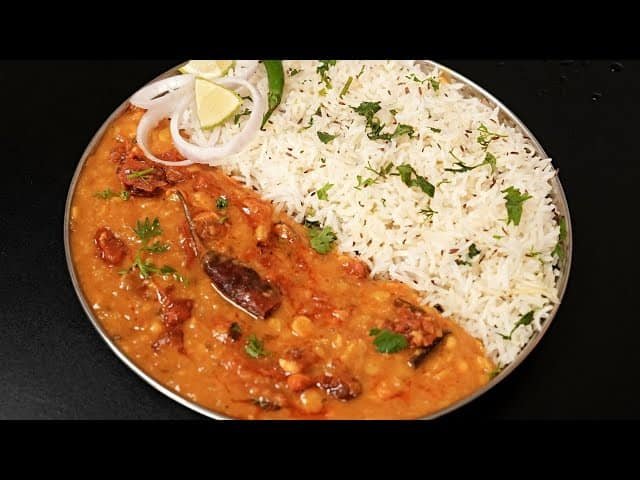
Tadka dal is the most reliable, nutritious, and satisfying quick Indian dinner available. Pressure cook or boil toor dal with turmeric and salt until completely soft. In a separate pan, heat ghee, add mustard seeds until they pop, add dried red chilli, hing, minced garlic, and chopped onion. Sauté until golden. Add chopped tomato, red chilli powder, and coriander powder. Cook until the tomato breaks down. Pour this tadka over the cooked dal and stir through. Serve with steamed rice and a simple cucumber raita.
Total active cooking time: twenty-five minutes using a pressure cooker. Nutritionally complete. Universally loved by children and adults.
Egg Bhurji with Roti
For non-vegetarian families, Egg Bhurji is the most beloved quick Indian dinner — scrambled eggs cooked with onion, tomato, green chilli, and spices. Heat oil, add finely chopped onion and sauté until golden. Add chopped tomatoes, turmeric, red chilli powder, and salt. Cook until the tomato softens completely. Beat four to six eggs and add to the pan, stirring continuously on medium heat until the eggs are just set but still slightly moist. Finish with coriander and a squeeze of lemon. Serve with soft roti or pav.
Total active cooking time: fifteen minutes. This is the quintessential quick Indian dinner.
Paneer Bhurji
The vegetarian equivalent of egg bhurji — crumbled paneer cooked in the same onion-tomato masala base with capsicum, green chilli, and spices. The technique is identical — the result is equally satisfying, richer in protein, and even faster to cook because the paneer doesn’t require the same careful handling as eggs. Paneer Bhurji with roti is the perfect twenty-minute family dinner.
Aloo Gobi
The simplest dry sabzi in the North Indian repertoire — potato and cauliflower cooked with cumin, turmeric, and simple spices until tender and slightly caramelised. Heat oil, add jeera until it sputters, add diced potato and cook for five minutes, add cauliflower florets, turmeric, red chilli powder, coriander powder, and salt. Cover and cook on medium heat, stirring occasionally, until both vegetables are cooked through and slightly browned. Finish with garam masala and fresh coriander.
Total active cooking time: twenty to twenty-five minutes. Aloo Gobi pairs with dal and roti to make a complete, nourishing weekday meal.
Rajma
Rajma is a weekend dish made weekday-possible by using canned or pre-cooked rajma. Pressure cooked or canned kidney beans in a thick onion-tomato masala — with ginger, garlic, whole spices, and finished with cream — is one of India’s most satisfying dinners. Using pre-soaked and pressure-cooked beans reduces the active cooking to twenty minutes of masala building. Rajma and rice is one of the most emotionally comforting Indian family meals.
Jeera Rice
Jeera rice is the simplest possible rice upgrade — basmati rice cooked with ghee, whole jeera, a bay leaf, and a cinnamon stick. The fragrance it adds to the table and the minimal effort it requires make it the default rice preparation for weeknight dinners that need slightly more occasion than plain boiled rice but can’t accommodate biryani’s time investment.
Quick Tomato Rasam
For days when cooking energy is minimal, a simple tomato rasam — pureed tomato cooked with tamarind water, turmeric, black pepper, and jeera, tempered with mustard seeds and curry leaves — provides a warm, comforting, genuinely nutritious dinner option served with plain rice and a papad. Rasam is South India’s answer to the question of what to eat when you’re tired, and the answer is always right.
Frequently Asked Questions (FAQs)
Q1. How do I make weeknight Indian cooking consistently faster without losing flavour?
The most effective strategy is batch-preparing the onion-tomato masala base that underlies most Indian sabzis and dals — cooking a large quantity on the weekend, storing in the refrigerator for five days, and using it as the instant base for weekday cooking. This eliminates the twenty to twenty-five minutes of base-building from every weeknight dinner and reduces most Indian dishes to ten to fifteen minutes of active cooking.
Q2. What are the most important pantry items for quick Indian weeknight cooking?
A well-stocked Indian pantry that enables quick cooking includes — toor and masoor dal, canned chickpeas and rajma for convenience, paneer in the freezer, eggs, basic vegetables that keep well including onion, tomato, potato, and cauliflower, and the core spice set of turmeric, red chilli powder, coriander powder, garam masala, cumin, and mustard seeds. With these items consistently available, a satisfying Indian dinner is always thirty minutes away.
Q3. Which of these dishes are suitable for children with lower spice tolerance?
Tadka dal, Jeera rice, Rajma, and Aloo Gobi can all be prepared with reduced chilli for children — the dishes’ character comes from the tempering, base spices, and umami depth rather than chilli heat, making them very accommodating of spice reduction without losing their identity. Prepare the family meal with reduced chilli and offer a separate green chutney or chilli oil for adults who prefer more heat.
Q4. How do I maintain variety across weeknight Indian dinners without cooking different dishes every night?
The most sustainable variety strategy is rotating between a few reliable categories rather than cooking entirely different dishes daily. A weekly pattern might alternate between dal-rice, sabzi-roti, egg or paneer preparation, and one slightly more involved dish that uses the weekend’s batch-cooked masala base. Within each category, varying the specific vegetable or protein provides enough variety without requiring entirely different cooking approaches each night.
Q5. Are these recipes suitable for a single person living alone or do they require adaptation?
All of these recipes scale down easily — halving ingredients for a single serving is entirely straightforward with Indian cooking since the technique doesn’t change with scale. For single-person households, making a slightly larger batch of dal or rajma and storing for two meals is more time-efficient than cooking a single portion daily. The batch masala base strategy is even more valuable for single-person households where daily from-scratch cooking is the least efficient approach.
The Bottom Line
All three articles in this set celebrate the food that is arguably India’s most powerful cultural ambassador — the street food that every regional Indian claims and the visitor remembers decades later, the South Indian culinary tradition that has transcended every cultural and linguistic boundary within the country to become genuinely national, and the home cooking that sustains Indian families through the ordinary weeknights when nobody has time but everyone needs to eat well. In every case, the food is better understood with context — knowing why Pani Puri tastes like it does, what makes South Indian fermentation culture distinctive, and how to build a thirty-minute Indian dinner without losing the flavour that makes the fifteen-minute version feel inadequate. The understanding makes the cooking and the eating both richer.