South Indian food has achieved something remarkable in the Indian culinary landscape — a regional cuisine so deeply satisfying, so nutritionally complete, and so naturally suited to Indian palates that it has crossed every regional, linguistic, and cultural boundary to be loved with equal intensity from Srinagar to Chennai. A Punjabi family that wouldn’t consider cooking a South Indian dish at home will queue enthusiastically outside a Saravana Bhavan in Delhi. A Bengali office worker who grew up eating rice and fish will enthusiastically order a masala dosa for breakfast without any sense of culinary conflict.
South Indian food’s national adoption isn’t surprising to anyone who has eaten it well. It is balanced, complex, fermented, warming, and deeply nourishing — a food tradition that developed over millennia in close relationship with its climate, agriculture, and the bodies it was designed to sustain.
Masala Dosa
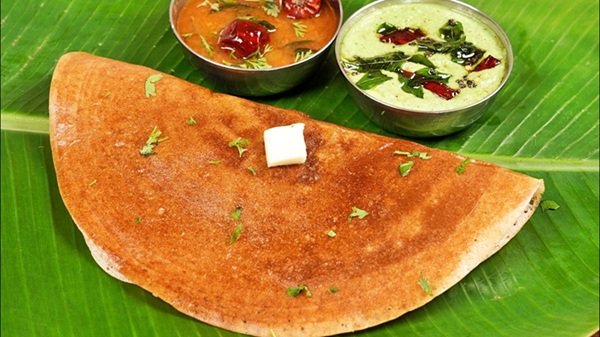
The flagship South Indian dish in the national imagination — a thin, crispy, fermented rice and lentil crepe wrapped around a spiced potato filling, served with coconut chutney and sambar. The batter requires fermentation — typically overnight — that develops the characteristic slight sourness that distinguishes a genuine dosa from its pale imitations. The potato masala filling is seasoned with mustard seeds, curry leaves, green chilli, and turmeric. Eaten with the right combination of chutney and sambar in each bite, the masala dosa is a complete, balanced, satisfying meal at any time of day.
Idli with Sambar and Chutney
Idli is the most deceptively simple and most consistently satisfying South Indian breakfast. Steamed rice and lentil cakes — soft, fluffy, entirely neutral in flavour — become extraordinary in combination with good sambar and fresh coconut chutney. The genius of idli is that its neutrality makes it the ideal vehicle for the flavours around it. Sambar’s complexity, chutney’s freshness, and gunpowder’s heat all express themselves fully against idli’s clean canvas.
Sambar
Sambar deserves independent recognition beyond its supporting role alongside idli and dosa. This tamarind and lentil-based vegetable stew — made with pearl onions, tomatoes, drumstick, and whatever vegetable the region and season provides — is seasoned with the sambar masala spice blend and tempered with mustard seeds, dried red chilli, and curry leaves. Every South Indian family’s sambar tastes distinctly different from their neighbour’s — the spice proportions, the lentil consistency, the tamarind tartness, and the tempering style are all variables that each cook calibrates to their own signature. Good sambar is one of the most complex, nutritious, and satisfying dishes in the entire Indian culinary tradition.
Chettinad Chicken Curry
Chettinad cuisine from Tamil Nadu’s Chettinad region is among the most intensely spiced and aromatic regional cuisines in India. The Chettinad Chicken Curry uses a masala of kalpasi, marathi mokku, star anise, and stone flower alongside the more familiar South Indian spices — creating a depth of flavour that no other regional chicken curry matches. Served with appam, idiyappam, or steamed rice, Chettinad chicken is a genuine culinary revelation for anyone who hasn’t encountered it.
Kerala Fish Curry with Coconut Milk
Kerala’s coastline produces some of India’s finest seafood, and Kerala fish curry with coconut milk is the cuisine’s most beloved expression of this bounty. The curry uses raw mango or kodampuli — Malabar tamarind — as its souring agent rather than tamarind, creating a distinctive bright, fruity tartness that is entirely different from any other regional fish curry. Coconut milk softens and rounds the spice, and the result is a curry of extraordinary balance served with red Kerala rice.
Appam with Stew
Kerala’s appam — a lacy, fermented rice pancake with a soft, spongy centre and crispy edges — paired with a mild, coconut milk-based vegetable or chicken stew is one of the most gentle and elegant dishes in the entire South Indian repertoire. Where most South Indian food is bold and assertive, appam and stew are delicate and soothing — the stew perfumed with whole spices and enriched with coconut milk into something that feels simultaneously nourishing and refined.
Hyderabadi Biryani
Hyderabadi Biryani occupies a unique position in Indian culinary culture — simultaneously South Indian by geography, Mughal in its culinary lineage, and entirely distinctive in its dum cooking technique and spice profile. The Hyderabadi dum biryani — where partially cooked rice and marinated meat are layered and slow-cooked in a sealed pot — produces rice that is individually fragrant with saffron and whole spices, meat that is deeply tender, and a bottom layer that has developed the beloved crust called the kadag. It is the most travelled and most celebrated biryani style in India.
Rasam
Rasam is the South Indian home’s essential tonic — a thin, tamarind and tomato-based soup spiced with black pepper, jeera, and turmeric, tempered with mustard seeds and curry leaves. Eaten with rice, it is the simplest and most comforting South Indian meal. Consumed as a soup, it is a warming, digestive, therapeutic drink that South Indian families reach for during illness, cold weather, and days when something light is needed. Rasam’s reputation for healing is grounded in its pepper and spice composition — genuinely anti-inflammatory and digestive-supportive.
Frequently Asked Questions (FAQs)
Q1. What is the difference between Tamil Nadu, Kerala, Karnataka, and Andhra Pradesh cuisines?
Each state’s cuisine has a distinct character despite sharing foundational ingredients. Tamil Nadu’s cuisine is defined by its tamarind and rice tradition and the complexity of its spice blends. Kerala’s cuisine is distinguished by its use of coconut oil, coconut milk, and the Malabar coast’s seafood abundance. Karnataka’s cuisine spans the robust North Karnataka tradition of jolada rotti and the lighter Udupi vegetarian tradition. Andhra Pradesh’s cuisine is India’s spiciest regional tradition — mirchi-forward, bold, and intense in a way that is distinctive even within South India.
Q2. Is South Indian food predominantly vegetarian?
The most widely recognised South Indian dishes — idli, dosa, sambar, rasam, and rice-based meals — are entirely vegetarian, and Brahmin communities across South India maintain strictly vegetarian culinary traditions. However, South India also has extraordinarily developed non-vegetarian traditions — Chettinad’s meat cookery, Kerala’s fish and beef curries, Hyderabadi biryani, and Andhra’s fish preparations are among the finest non-vegetarian regional cuisines in India. South Indian food is neither exclusively vegetarian nor defined by its non-vegetarian dishes — it is both, in distinct and equally evolved traditions.
Q3. Why does South Indian food taste different in a restaurant compared to a South Indian home?
The most significant factor is freshness of coconut. Freshly grated coconut in chutney, freshly extracted coconut milk in curries, and fresh curry leaves all degrade relatively quickly after preparation — home cooking uses these ingredients at their peak freshness in a way that restaurant batch cooking often cannot. The second factor is the quality of the tempering — fresh curry leaves and good quality dried red chillies in the final tadka are the finishing elements that define the dish’s aromatic quality. Great home South Indian cooking is built on fresh, high-quality ingredients used immediately rather than held.
Q4. Can South Indian food be made authentically at home in North Indian kitchens?
The essential ingredients — curry leaves, kokum or tamarind, urad dal, chana dal, mustard seeds, dried red chillies, and coconut — are available across India’s metro cities and online. The idli and dosa batter requires planning ahead for fermentation time. Sambar masala can be made fresh or purchased from South Indian grocery brands. The most common authenticity gap in North Indian home attempts at South Indian cooking is insufficient use of curry leaves and insufficient fermentation time for dosa batter — these two elements most distinguish authentic South Indian flavour.
Q5. What is the best South Indian dish for someone who is eating this cuisine for the first time?
Masala Dosa with sambar and coconut chutney is the most universally recommended entry point — familiar enough in concept, balanced in spice level, and complete as a meal. For someone who enjoys bold spice, Chettinad chicken curry represents South Indian cooking at its most distinctive and complex. For a gentle introduction through a lighter dish, Appam with vegetable stew is the most approachable South Indian combination for those unfamiliar with fermented rice preparations.