The monsoon is India’s most misunderstood travel season. The reflexive advice to avoid India from June to September — because it rains, because humidity is high, because roads flood — represents a significant failure of travel imagination. The monsoon transforms India into something extraordinary. Waterfalls that don’t exist in winter emerge from hillsides. Valleys that were dry become luminously green. Rivers fill to their proper volume. The landscape reveals its full beauty only when the rain gives it permission.
The travellers who time their visits to India’s monsoon season encounter a country that domestic and international peak-season visitors never see — less crowded, more atmospheric, more dramatically itself.
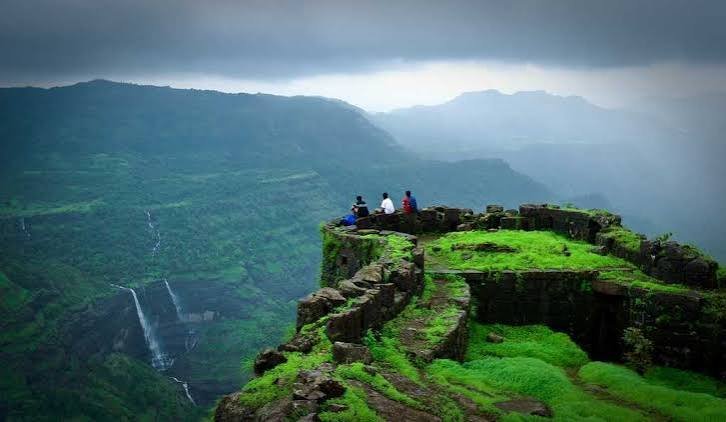
Coorg, Karnataka
Karnataka’s coffee country receives the Western Ghats’ full monsoon force — and the result is one of India’s most beautiful wet season landscapes. Coffee plants flower in the mist. Waterfalls appear on every hillside. The plantation walks that are pleasant in other seasons become genuinely magical in the rain — the smell of wet earth, coffee blossom, and cardamom intensifying with the humidity.
Coorg’s homestays and plantation resorts are designed for the monsoon experience — covered verandas for rain-watching, fireplaces for cool evenings, and Coorgi cuisine at its most comforting. Abbey Falls and Iruppu Falls reach their most spectacular volumes during monsoon months. The roads are well-maintained and the destination is safely accessible throughout the season.
Best Monsoon Months: June to September.
Kerala Backwaters
The Kerala backwaters during monsoon are genuinely one of India’s most otherworldly travel experiences. Rice paddy fields that were brown become the deepest emerald green. The canals and lakes are full to their banks. The coconut palms have their maximum density of frond and fruit. The houseboat journey through the Alleppey backwaters in gentle rain — watching kingfishers hunt in the silver light, eating fresh fish prepared in the boat’s kitchen, hearing only rain on the water — is exactly the kind of travel experience that justifies the journey.
Kerala also offers Ayurvedic treatment during monsoon — traditional Ayurveda specifically recommends the Karkidaka monsoon month for the most effective panchakarma treatment, as the climate opens pores and enhances the therapeutic impact. Many Ayurvedic resorts offer their best programmes between July and September.
Best Monsoon Months: June to August.
Cherrapunji and Meghalaya
Visiting the world’s wettest region during its wettest season sounds counterintuitive but is actually the most intentional travel decision available in monsoon India. Cherrapunji’s waterfalls — including Nohkalikai Falls, one of India’s tallest — reach their absolute maximum volume and drama in July and August. The Meghalaya plateau’s living root bridges, maintained for centuries in the Khasi Hills, are surrounded by their most lush, intensely green environment during the monsoon months.
Shillong’s colonial architecture in the mist, Dawki’s turquoise river flowing with monsoon volume, and the Mawsynram plateau during the heaviest rainfall on earth create travel experiences that no other season provides.
Best Monsoon Months: June to August for maximum waterfall and landscape intensity.
Udaipur, Rajasthan
Rajasthan’s desert cities become their most beautiful during monsoon — the lakes fill, the desert dust settles, the temperature drops from unbearable to merely warm, and the crowds that pack Udaipur in winter reduce dramatically. Lake Pichola and Fateh Sagar Lake at full monsoon volume — reflecting the City Palace and the Aravalli Hills in still water at dawn — present the romantic city at its most visually magnificent.
The Monsoon Palace — Sajjan Garh, built specifically to watch monsoon clouds gather over Udaipur — fulfils its architectural purpose most completely when actual monsoon clouds are gathering. The green hills surrounding Udaipur during the wet season transform the desert city’s setting entirely.
Best Monsoon Months: July to September.
Goa in Monsoon
The Goa that most visitors experience — packed beaches, loud beach clubs, sunburned crowds — disappears entirely during monsoon. What remains is the Goa that Goans actually love — the laterite hills covered in wild flowers, the rivers running full, the paddy fields bright green against red soil, and the seafood at its most abundant and most affordable because the fishing fleet has returned from the pre-monsoon rush.
The Portuguese-era churches, the spice plantation walks, the old quarter homes of Panaji and Fontainhas, and the Old Goa basilicas are better experienced in the relative quiet of monsoon than in the crowd-compressed experience of December.
Best Monsoon Months: June to September for the full Goa transformation.
Valley of Flowers, Uttarakhand
The UNESCO World Heritage Site in Chamoli district is specifically a monsoon destination — the valley’s extraordinary floral bloom of alpine flowers, which gives it its name and its World Heritage status, occurs only during July and August when monsoon moisture feeds hundreds of endemic species across the valley floor. Outside these months, the Valley of Flowers exists but does not bloom — its defining characteristic is a monsoon phenomenon.
The trek from Govindghat to the valley takes two days and requires basic trekking fitness. The Hemkund Sahib Gurudwara nearby adds spiritual significance to the natural experience.
Best Monsoon Months: July to mid-August specifically for peak bloom.
Frequently Asked Questions (FAQs)
Q1. What are the essential packing items for monsoon travel in India?
A quality compact umbrella and a full-coverage waterproof poncho provide the most practical rain protection across all monsoon destinations. Quick-dry clothing reduces the misery of wet fabric in humid conditions. Waterproof sandals or shoes are more practical than closed footwear for wet terrain. A waterproof bag or dry bag for electronics and documents protects against the sudden heavy downpours that exceed umbrella coverage. Mosquito repellent is essential — monsoon conditions accelerate mosquito breeding across all Indian destinations.
Q2. Which Indian states should be avoided during monsoon for safety reasons?
Uttarakhand and Himachal Pradesh mountain roads are particularly vulnerable to landslides during heavy monsoon precipitation — while destinations like Valley of Flowers and specific Uttarakhand treks are monsoon-specific, driving independently through mountain passes during active rain events carries genuine risk. Follow state government road condition advisories for any mountain destination. Coastal Odisha and Andhra Pradesh can be affected by Bay of Bengal cyclones between October and December — check weather forecasts before planning coastal travel. Flood-prone districts in Bihar, Assam, and parts of Kerala require careful monitoring during heavy monsoon years.
Q3. Are accommodation prices lower during monsoon across these destinations?
Yes — significantly lower across all Indian destinations during monsoon. Goa’s accommodation drops 40% to 60% from peak December-January rates. Kerala’s backwaters and Coorg’s plantation homestays offer monsoon packages that represent their best value-for-comfort ratio of the year. Rajasthan’s heritage hotels drop 30% to 50% from winter peak season. Valley of Flowers and Meghalaya maintain pricing closer to peak season given the monsoon’s specific appeal, but budget accommodation remains accessible.
Q4. Is monsoon the best time for Ayurvedic treatment in Kerala?
Traditional Karkidakam Ayurveda — practiced in the Malayalam calendar month corresponding to mid-July to mid-August — is considered the most therapeutically effective period for Ayurvedic treatment. The monsoon climate’s cool temperatures, high humidity, and reduced UV exposure are considered ideal for the body’s absorption of medicated oils and herbal preparations. Reputable Ayurvedic centres in Kerala specifically promote their most intensive Karkidakam programmes during this period. For medical Ayurveda rather than spa Ayurveda, this is the optimal treatment season.
Q5. How does photography work during monsoon travel — is the rain a challenge?
Monsoon photography rewards patience and timing rather than volume. The quality of light during and after rain events — the softness that cloud cover creates, the saturation of colours after rainfall, the mist on waterfalls and valleys — produces images that clear-sky travel rarely matches. Waterfall photography at destinations like Cherrapunji and Coorg specifically benefits from monsoon volume. The challenges are protecting equipment from moisture and working with rapidly changing light conditions. A weather-sealed camera body, waterproof camera bag, and lens cloths for moisture management allow confident shooting throughout monsoon destinations.
The Bottom Line
All three articles in this set address India’s travel richness from the perspectives of movement, access, and season — the road trip routes that make the journey itself the experience rather than merely the means to an arrival, the affordable international destinations that expand Indian travellers’ horizons without premium budgets, and the monsoon season that transforms India’s landscapes into something more dramatically beautiful than any other time of year. In every case, the most rewarding travel experiences are available to the traveller who plans with information rather than assumption — who knows which mountain pass opens in June, which visa requires three days of processing, and which waterfall only exists in August. The depth of India’s travel offerings, and the world’s offering to Indian travellers, consistently exceeds the horizon that uninformed assumptions set.