The restaurant business occupies a uniquely appealing and uniquely challenging position in the Indian entrepreneurial imagination. It is one of the most commonly attempted business ventures — driven by genuine passion for food, hospitality, and the tangible satisfaction of building a space where people gather. It is also one of the most capital-intensive businesses to launch, with an unforgiving early-month cash flow profile and the highest upfront investment-to-revenue timeline in most retail categories.
Getting the financing right — in amount, structure, and channel — before a restaurant opens is the most consequential financial decision a restaurant entrepreneur makes. Underfunding creates the most common restaurant failure pattern: a business that runs out of capital before it has time to build the customer base that would make it profitable.
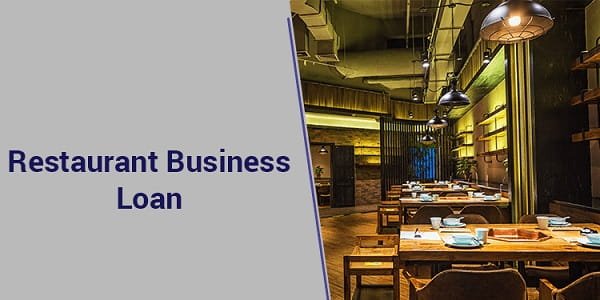
Understanding the True Capital Requirement for an Urban Restaurant
The first error most aspiring restaurant owners make in their financing planning is underestimating the total capital requirement. The visible costs — fit-out, kitchen equipment, furniture, and signage — are significant but incomplete.
A comprehensive urban restaurant capital requirement includes interior design and fit-out at ₹1,500 to ₹4,500 per square foot depending on the concept and location. Commercial kitchen equipment — ranges, ovens, refrigeration, exhaust systems — at ₹8 lakh to ₹30 lakh depending on the kitchen size and cuisine complexity. POS and technology infrastructure at ₹1 lakh to ₹3 lakh. Initial inventory and supplies at ₹1 lakh to ₹3 lakh. FSSAI registration, fire safety compliance, local municipal licences, and liquor licence where applicable — costs that vary by city but can reach ₹1 lakh to ₹5 lakh in aggregate. Advance rent and security deposit at two to six months’ rent — a significant amount in urban metro locations. And critically, working capital for the first three to six months before the business achieves break-even revenue.
A 1,000 square foot casual dining restaurant in a metro city has a realistic total opening investment of ₹40 lakh to ₹80 lakh. A QSR or cafe format in the ₹20 lakh to ₹40 lakh range. A fine dining concept can exceed ₹1 crore comfortably. The loan quantum must cover the full requirement — not just the equipment list.
Loan Products Specifically Applicable to Restaurant Financing
MSME Term Loans with CGTMSE Coverage: A restaurant registered as an MSME under Udyam Registration qualifies for CGTMSE-backed collateral-free loans up to ₹2 crore through participating banks and NBFCs. This is the most accessible institutional route for restaurant entrepreneurs who don’t own property they can pledge as collateral — which is most urban operators who lease their premises.
The application requires a detailed project report covering the restaurant concept, market analysis, projected revenue at different occupancy levels, staffing plan, menu development costs, and a month-by-month cash flow projection for the first two years. A credible project report from a CA or hospitality industry consultant significantly improves approval probability.
MUDRA Loans for Smaller Restaurant Formats: For food kiosks, small cafes, tiffin services, and cloud kitchen operations, MUDRA Kishore and Tarun loans provide ₹50,000 to ₹10 lakh in collateral-free capital. The documentation requirement is lighter than full MSME term loans — making MUDRA the most accessible entry-level financing for first-time food business operators.
Loan Against Property: For restaurant entrepreneurs who own residential or commercial property — even if the property is not the restaurant premises — LAP provides access to larger loan amounts at lower interest rates than unsecured business loans. A ₹1 crore LAP against a residential property worth ₹1.8 crore can fund a full-scale restaurant opening with the longest available tenure and lowest EMI pressure during the business’s critical early months.
Equipment Finance: Commercial kitchen equipment — particularly high-value items like imported ovens, espresso machines, and refrigeration systems — can be separately financed through equipment loans where the equipment itself is the collateral. This reduces the overall unsecured loan requirement and allows the restaurant owner to finance the highest-cost individual components through a secured, lower-rate product.
The Business Plan That Restaurant Lenders Need
Restaurant loan assessments focus on three questions above all others: How will this restaurant attract customers in its specific location? What does the break-even revenue look like, and how long does it realistically take to reach it? Does the operator have the experience and team to execute the concept?
Location analysis — competition within 500 metres, foot traffic patterns, the demographic profile of the catchment area, and proximity to office clusters, residential density, or transit hubs — is the first thing a restaurant lender scrutinises. A restaurant in a location without viable customer density is a loan that won’t perform regardless of concept quality.
Financial modelling should show conservative, base, and optimistic revenue scenarios — with conservative being the scenario the lender uses for repayment capacity assessment. Monthly projections covering cover counts, average spend per cover, and operating costs including rent as a percentage of revenue — industry standard suggests rent below 10% of revenue for sustainable restaurant economics — demonstrate financial literacy about the business model.
Operator experience — previous restaurant management, hospitality industry background, or a demonstrated track record in food business operations — is weighted heavily. A first-time operator with strong industry experience partnerships, an experienced chef co-founder, or advisory relationships with hospitality professionals addresses the experience gap that lenders view cautiously in restaurant financing.
The Bottom Line
All three articles in this set address business financing and protection decisions that reward preparation and specificity over generic approaches. Liability insurance converts the open-ended financial exposure of customer lawsuits into a manageable, defined annual cost — protecting business assets and personal wealth from claims that arrive without warning in a consumer environment that has never been more legally empowered. Franchise business loans benefit from the brand’s existing performance data and franchisor lending partnerships — knowledge that allows applicants to approach the most appropriate channel with the documentation that matters most to that channel’s underwriting process. And restaurant business loans succeed when the application reflects genuine understanding of location economics, realistic financial modelling, and adequate working capital provision — the three elements that distinguish fundable restaurant plans from aspirational ones that don’t survive contact with lender scrutiny.
Frequently Asked Questions (FAQs)
Q1. Can I include my FSSAI and other licensing costs in the business loan amount?
A: Yes. Pre-operational costs including regulatory licences, initial deposits, and setup expenses are legitimately part of the total project cost that the business loan can fund. The project report should itemise all pre-opening expenditures — equipment, fit-out, licensing, initial inventory, and working capital — as components of the total investment the loan is intended to finance.
Q2. How do lenders view cloud kitchen businesses compared to dine-in restaurants for financing purposes?
A: Cloud kitchens — delivery-only food production facilities — present a fundamentally lower-risk operational model to lenders compared to dine-in restaurants: lower rent, faster break-even, lower fit-out investment, and no dependence on physical footfall. Cloud kitchen applications are increasingly viewed favourably by MSME lenders who have become familiar with the model’s economics. The business plan should demonstrate delivery platform relationships — Swiggy, Zomato — or direct ordering channel, and revenue projections based on realistic order volumes for the cuisine category and locality.
Q3. Is a food business from a residential location eligible for a business loan?
A: Home-based food businesses operating under FSSAI registration are eligible for business loans as legitimate MSME food enterprises. The loan amount available is typically more constrained given the lower scale and limited physical infrastructure, but MUDRA Shishu and Kishore loans are accessible for home-based catering, tiffin services, and packaged food operations. The FSSAI licence, Udyam Registration, and GST registration together provide the formal business credentials that lending applications require.
Q4. Should I take a larger loan to include adequate working capital or borrow less and preserve equity?
A: Adequate working capital is not optional — it is the financial infrastructure that keeps the business operational during the critical early months when revenue is building but costs are fully committed. Underfunding working capital is the single most common cause of restaurant failure in India’s urban market — businesses close not because they couldn’t attract customers but because they ran out of cash before the customers had time to find them. Budget three to six months of operating costs — rent, staff, utilities, and inventory — as working capital within the loan amount, even if it feels conservative in an optimistic business plan scenario.
Q5. How does the restaurant’s lease structure affect the loan application?
A: Lease terms affect the application in two ways. The advance rent and security deposit requirement directly increases the upfront capital need — factor this into the loan quantum. And the lease tenure signals operational stability to lenders — a three-year minimum lease term provides more lender confidence than a month-to-month arrangement, because it confirms the restaurant has a secured operational location for a period sufficient to service the loan. Where possible, negotiate a minimum two to three year lease term before finalising the loan application, as this directly improves the lender’s confidence in the investment’s operational security.