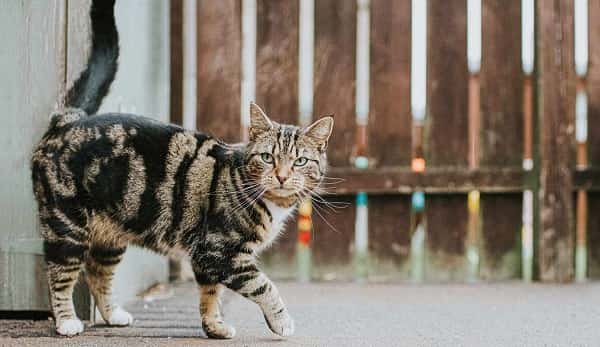
The tabby cat is one of the most universally recognised and deeply loved coat patterns in the domestic cat world — a pattern so fundamental to feline genetics that it represents the ancestral coat of the domestic cat itself. The distinctive M-shaped marking on the forehead, the striped, swirled, or spotted body markings, and the characteristic agouti ticking that creates the tabby’s wild-cat appearance are not the exclusive property of any single breed but a pattern found across virtually every domestic cat breed and in the majority of India’s enormous domestic cat population.
In India, “tabby cat” is one of the most frequently searched cat terms — reflecting both the pattern’s extraordinary prevalence in Indian domestic cats and the growing interest in understanding what tabby actually means in breed and colour terms. If you are searching for the tabby cat price in India in 2026, the first essential clarification is that tabby is a coat pattern, not a breed. Understanding which breeds produce the most spectacular tabby markings, the genetics behind the pattern, and current pricing for tabby cats of different types is what this guide provides.
| Attribute | Details |
| Definition | Tabby = a coat pattern — not a breed |
| Four Pattern Types | Classic (blotched), Mackerel (striped), Spotted, Ticked (Agouti) |
| Universal M Mark | All tabby cats have distinctive M marking on forehead |
| Genetics | Agouti gene (A) creates tabby pattern; non-agouti (aa) creates solid colour |
| Most Common Tabby | Brown/grey mackerel tabby — most common domestic cat coat worldwide |
| Breeds Known for Tabby | Domestic Shorthair, Maine Coon, Bengal, British Shorthair, Abyssinian |
| Price Range India (2026) | Rs. 0 (adoption) – Rs. 1,20,000 (pedigreed show tabby) |
| Domestic Tabby | Free – Rs. 5,000 |
| Pedigreed Tabby (Maine Coon, BSH) | Rs. 25,000 – Rs. 1,20,000 |
| Monthly Maintenance | Rs. 1,500 – Rs. 10,000 (breed-dependent) |
| India Context | Majority of Indian street cats display tabby pattern |
About Tabby Cats
The tabby pattern is not a modern human creation — it is the ancestral coat of the domestic cat, inherited directly from the African wildcat (Felis lybica) from which all domestic cats descend. The African wildcat is a mackerel tabby — its survival in the wild depended on the camouflage provided by its striped, patterned coat. When domestic cats were first kept by humans approximately 10,000 years ago in the Fertile Crescent, they were mackerel tabbies. Every other domestic cat coat colour and pattern is a subsequent mutation from this original tabby template.
The genetics of the tabby pattern involve the Agouti gene — the A allele produces the tabby pattern by allowing individual hairs to display alternating bands of light and dark pigment. The non-Agouti allele (aa) suppresses this banding, creating solid coloured coats. Cats carrying at least one A allele display tabby patterning. Even apparently solid-coloured cats often show ghost tabby markings under certain light — evidence of the pattern’s fundamental role in feline genetics.
The four tabby pattern types each create a distinctive appearance. The Classic Tabby (also called blotched tabby) has swirling, marble-like patterns on the body — broad bands forming a characteristic “bullseye” on the side. The Mackerel Tabby has narrow parallel stripes running vertically down the body — the most common tabby pattern and the most similar to the ancestral wildcat. The Spotted Tabby has the mackerel pattern broken into spots — creating a cheetah or ocelot-like appearance. The Ticked Tabby (also called agouti tabby) has individual hairs banded with alternating light and dark pigment but no stripes or spots on the body — the Abyssinian cat is the purest expression of this pattern.
The universal M marking on the forehead of all tabby cats has inspired multiple cultural legends. One Islamic tradition holds that the Prophet Muhammad was so fond of his tabby cat Muezza that he cut off his sleeve rather than disturb the sleeping cat — and the M is his blessing on all cats of that pattern. A Christian legend holds that a tabby cat appeared in the manger at the birth of Jesus and was marked with an M by the Virgin Mary in gratitude. These parallel legends across cultures reflect the tabby’s ancient, universal presence alongside humanity.
Tabby Breeds Price in India
| Tabby Cat Type | Min Price (INR) | Max Price (INR) |
| Indian Street Cat / Domestic Tabby — Adoption | Free | Rs. 2,000 |
| Domestic Tabby Shorthair | Rs. 1,000 | Rs. 5,000 |
| Tabby Persian (Brown / Silver Tabby) | Rs. 12,000 | Rs. 65,000 |
| Tabby British Shorthair | Rs. 28,000 | Rs. 1,00,000 |
| Tabby Maine Coon (Brown Tabby most iconic) | Rs. 40,000 | Rs. 1,20,000 |
| Tabby Bengal (Spotted / Rosette Tabby) | Rs. 30,000 | Rs. 1,10,000 |
| Silver Tabby (any breed — premium colour) | Rs. 30,000 | Rs. 1,15,000 |
| Abyssinian (Ticked Tabby — purest form) | Rs. 25,000 | Rs. 80,000 |
| TICA / Show Quality Tabby Pedigreed | Rs. 55,000 | Rs. 1,20,000+ |
Note: Silver tabby cats — where the base coat is pale silver rather than brown or grey — are the most visually spectacular tabby variant in pedigreed breeds and command the highest colour premiums. Silver tabby Maine Coons and silver tabby British Shorthairs are among the most striking cats available in India’s premium market.
Most Popular Tabby Breeds in India
The Brown Tabby Maine Coon is the most iconic tabby cat available in India — its large size, flowing coat, and bold brown tabby markings with the breed’s characteristic wild-cat features create an appearance of extraordinary presence. Many buyers specifically seek Maine Coons for the brown classic or mackerel tabby pattern.
The Silver Tabby British Shorthair with green or hazel eyes is one of the most photographically stunning cat types available in India — the pale silver base coat with dark charcoal-grey markings creates a metallic, almost luminous appearance unique in the cat world.
The Bengal is technically a spotted tabby — its rosette pattern is a form of spotted tabby expression overlaid on ticked agouti background. Bengals offer the most wild-cat tabby aesthetic available in a domestic cat.
The Abyssinian — while not displaying conventional stripes — is the purest expression of the ticked tabby gene. Its coat of individually banded hairs creates a warm, glowing appearance with extraordinary depth and shimmer.
Temperament Notes
Tabby pattern carries no specific temperament implications — personality is entirely determined by breed or individual heritage. Indian domestic tabby cats tend toward the adaptable, sociable temperament of cats shaped by generations of community living. For pedigreed tabby buyers, consult breed-specific temperament information — a tabby Maine Coon has Maine Coon temperament; a tabby British Shorthair has British Shorthair temperament.
Monthly Maintenance Cost in India (2026 Estimate)
| Tabby Cat Type | Monthly Cost Estimate |
| Domestic Tabby / Indian Indie | Rs. 1,500 – Rs. 3,500 |
| Tabby Persian | Rs. 4,000 – Rs. 9,000 |
| Tabby British Shorthair | Rs. 3,500 – Rs. 8,000 |
| Tabby Maine Coon | Rs. 4,500 – Rs. 10,000 |
| Bengal (Spotted Tabby) | Rs. 4,000 – Rs. 10,000 |
Frequently Asked Questions (FAQs)
Q1. What is the tabby cat price in India in 2026?
A: Tabby cat prices depend entirely on breed. Domestic Indian tabby cats are available free through adoption or Rs. 1,000–Rs. 5,000 from informal sources. Tabby Persians range Rs. 12,000–Rs. 65,000. Tabby British Shorthairs Rs. 28,000–Rs. 1,00,000. Tabby Maine Coons Rs. 40,000–Rs. 1,20,000. Silver tabby variants command the highest colour premiums of 20–40% over standard brown tabbies.
Q2. What are the four tabby patterns?
A: Classic (blotched) tabby has swirling marble-like patterns with a bullseye on the side. Mackerel tabby has narrow parallel vertical stripes — the most common pattern globally. Spotted tabby has the mackerel pattern broken into individual spots. Ticked tabby has individually banded hairs with no distinct stripes on the body — the Abyssinian is the primary breed expression of this pattern.
Q3. Why do all tabby cats have an M on their forehead?
A: The M marking is caused by the tabby pattern genes creating darker pigment in the forehead marking pattern — a characteristic of the tabby coat expressed on the flat forehead surface. It is a universal feature of all tabby cats across all breeds and individual cats. The legends explaining the M — Islamic, Christian, and various folkloric traditions — reflect the pattern’s ancient, universal presence in human culture alongside domestic cats.
Q4. What is the most impressive pedigreed tabby cat available in India?
A: The Brown Classic Tabby Maine Coon is arguably the most visually spectacular tabby cat available — its large size, flowing coat, lynx-tipped ears, and bold tabby markings create a wild-forest impression that no other domestic breed matches. The Silver Tabby British Shorthair is a close second for metallic visual impact in a more compact package.
Q5. Can I adopt a tabby cat in India?
A: Yes — tabby domestic cats are among the most commonly available cats in Indian shelters. The majority of Indian street cats display tabby patterns. Every major Indian city’s animal shelters have tabby cats available for adoption at minimal or zero cost. Adopting a domestic tabby is the most ethical, affordable, and practically excellent choice for most Indian buyers who want the beautiful tabby pattern in a healthy, loving companion.