The American Shorthair is America’s own native working cat — a breed descended from the hardy domestic cats that European settlers brought to North America on the Mayflower and subsequent ships in the 17th century to protect food stores from rodents during the transatlantic voyage and in the new settlements. Through centuries of natural selection in the American environment, these working cats developed into a robust, moderately built, adaptable breed that was formally recognised and standardised in the early 20th century as the American Shorthair.
In India’s 2026 premium cat market, the American Shorthair is gaining recognition as an outstanding practical choice — offering excellent genetic health, manageable short coat grooming, a calm and adaptable temperament suitable for diverse household types, and the spectacular Silver Classic Tabby colouration that is the breed’s most iconic expression. This guide covers accurate 2026 pricing, the breed’s historical significance, health information, and complete buying guidance.
| Attribute | Details |
| Breed Name | American Shorthair |
| Origin | USA — descended from European cats brought to America from 1620s |
| Historical Role | Ship’s cat and settlement mouser — working cat heritage |
| Size | Medium-Large: 3.6–7 kg |
| Lifespan | 15–20 years — exceptional longevity |
| Temperament | Adaptable, easygoing, playful, independent, social, not demanding |
| Coat | Short, thick, hard texture — wide colour range; minimal grooming |
| Most Iconic Variety | Silver Classic Tabby with green eyes |
| Price Range (2026) | Rs. 20,000 – Rs. 85,000 |
| TICA / CFA Show Quality | Rs. 55,000 – Rs. 85,000+ |
| Monthly Maintenance | Rs. 3,000 – Rs. 7,500 |
| Best For | Families, apartments, working professionals, multi-pet households |
| Climate Suitability | Excellent — short thick coat perfectly suited to India |
About the American Shorthair
The American Shorthair’s documented American presence begins with the first European settlers. Historical records indicate that cats were specifically included in the Mayflower’s manifest in 1620 for the practical purpose of controlling rodents on the ship and in the new Plymouth Colony. These cats — likely English working cats of mixed domestic shorthair heritage — subsequently bred freely in the American colonies and frontier, developing over centuries through natural selection and occasional intentional breeding into the robust, adaptable cat that the American Shorthair represents today.
One individual — a Silver Classic Tabby named “Buster Brown” — won Best Cat at the second major American cat show in 1904, establishing the Silver Tabby pattern that remains the breed’s most celebrated variety. The CFA originally called the breed “Domestic Shorthair” before renaming it “American Shorthair” in 1966 to emphasise its distinct American heritage and distinguish it from random-bred domestic cats.
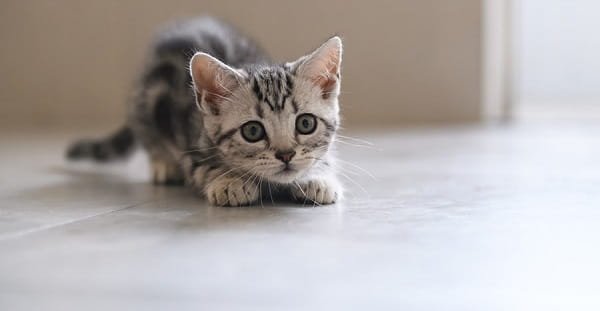
The American Shorthair’s most celebrated physical characteristic — beyond its exceptional health and longevity — is the Silver Classic Tabby pattern. Silver tabbies have a pale silver base coat with dense charcoal-grey classic tabby markings, green or hazel eyes, and a coat of remarkable metallic beauty that has made this variety one of the most photographed in American cat show history. In India, the Silver Tabby American Shorthair is the most sought-after variety among buyers familiar with the breed.
American Shorthair Price in India 2026
| City / Category | Min Price (INR) | Max Price (INR) |
| Delhi / NCR | Rs. 22,000 | Rs. 75,000 |
| Mumbai | Rs. 25,000 | Rs. 80,000 |
| Bangalore | Rs. 20,000 | Rs. 70,000 |
| Hyderabad | Rs. 18,000 | Rs. 65,000 |
| Chennai / Kolkata | Rs. 16,000 | Rs. 60,000 |
| Tier-2 / Tier-3 Cities | Rs. 12,000 | Rs. 42,000 |
| CFA / TICA Registered Show Quality | Rs. 55,000 | Rs. 85,000+ |
| Silver Classic Tabby (most premium) | Rs. 35,000 | Rs. 85,000+ |
| Imported — USA / Europe | Rs. 75,000 | Rs. 1,20,000+ |
Temperament and Suitability
The American Shorthair’s temperament reflects its working cat heritage — adaptable, self-sufficient, easygoing, and practical. They are not intensely demanding in the manner of Siamese or Ragdolls, not as passive as Persians, and not as energetically challenging as Bengals. They occupy the pleasantly middle temperament ground — enjoying human company and play without requiring constant engagement, adapting readily to diverse household types and rhythms.
They get along well with children, dogs, and other cats — the multi-species household tolerance of a cat shaped by working alongside humans and other animals in frontier conditions. They maintain playfulness into adulthood without the Bengal’s intensity. For Indian households wanting a genuinely balanced, adaptable companion cat without extreme demands or extreme passivity, the American Shorthair is one of the finest available choices.
Health and Lifespan
The American Shorthair’s health record is exceptional — regularly reaching 15–20 years, it is among the longest-lived cat breeds. Its natural working cat heritage and broader genetic base contributes to robust health. HCM is documented but at lower rates than in many pedigreed breeds. The short, hard-textured coat requires minimal grooming — weekly brushing and occasional professional bathing is the simple standard. In India’s climate, the short coat handles heat excellently with no special management requirements beyond standard care.
Monthly Maintenance Cost in India (2026 Estimate)
| Cost Category | Estimated Cost |
| Premium Cat Food | Rs. 1,800 – Rs. 4,000/month |
| Grooming (short coat — minimal) | Rs. 500 – Rs. 1,200/session; monthly professional |
| Litter and Litter Box | Rs. 500 – Rs. 1,200/month |
| Veterinary Care (annual) | Rs. 4,500 – Rs. 12,000 |
| Vaccinations & Preventives | Rs. 1,500 – Rs. 3,500 annually |
| Total Estimated Monthly Cost | Rs. 3,000 – Rs. 7,500 |
Frequently Asked Questions (FAQs)
Q1. What is the American Shorthair price in India in 2026?
A: American Shorthair prices from reputable breeders in India in 2026 range from Rs. 16,000 to Rs. 80,000. The Silver Classic Tabby — the most iconic variety — commands premiums of Rs. 35,000–Rs. 85,000. CFA or TICA-registered show quality cats start at Rs. 55,000. USA or European imports reach Rs. 75,000–Rs. 1,20,000+ including import costs.
Q2. What makes the Silver Classic Tabby American Shorthair special?
A: The Silver Classic Tabby has a pale silver base coat with dense charcoal-grey classic tabby (swirled, marble-pattern) markings and distinctive green or hazel eyes. The metallic silver base creates a luminous, photographically stunning appearance that has made this variety the breed’s signature look since winning Best Cat at the 1904 Chicago Cat Show. It is one of the most visually striking short-coated cat patterns available.
Q3. Were American Shorthairs really on the Mayflower?
A: Historical records confirm that cats were included in the Mayflower’s provisions in 1620 specifically for rodent control during the voyage and in the new settlement. While no individual cat names are recorded, the presence of domestic shorthaired working cats on this historic voyage is documented. These cats and subsequent arrivals on later ships are considered the founding population from which the American Shorthair breed developed over subsequent centuries.
Q4. How does the American Shorthair compare to a British Shorthair?
A: Both are shorthaired, medium-large, adaptable breeds with excellent longevity and manageable grooming. The British Shorthair is significantly more plush and round-faced — the “teddy bear” aesthetic. The American Shorthair is more lean and athletic with a harder coat texture. The American Shorthair is generally more active and playful; the British Shorthair more serene and self-contained. Both are outstanding apartment cats for Indian households.
Q5. Is the American Shorthair good for first-time cat owners?
A: Yes — among the best choices available. Its adaptable, easygoing temperament is forgiving for inexperienced owners. Its short, hard coat requires minimal grooming — weekly brushing only. Its exceptional 15–20 year lifespan provides long, rewarding companionship. Its robust health means lower veterinary costs from hereditary conditions. Its balanced temperament suits diverse Indian household types without demanding extreme management expertise.