Evening tea in India is not merely a beverage ritual — it is a daily institution. The pause between the afternoon’s work and the evening’s domestic responsibilities. The moment when the kitchen fills with the smell of chai brewing and something frying or baking on the side. The time when families reconvene, conversations begin, and the day’s events are processed over a cup and a plate. The snack that accompanies this chai is not an afterthought. It is the co-star of the ritual.
1. Pakoda (Onion and Mixed Vegetable Fritters)
The undisputed king of chai companions — batter-coated and deep-fried onion rings, spinach leaves, green chillies, and potatoes that are consumed hottest and crispiest in the first five minutes out of the oil. Monsoon evenings and pakodas have one of the strongest associative bonds in Indian food culture.
2. Samosa
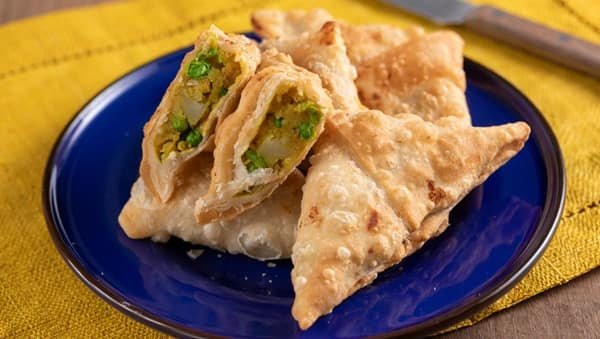
The triangular, crispy pastry filled with spiced potatoes and peas is India’s most travelled snack — found from Kashmiri tea stalls to Tamil Nadu bakeries. The best samosas have thin, shattery shells and filling with enough moisture to stay cohesive without becoming wet.
3. Murukku
South India’s most beloved crunchy snack — spiral rice flour and lentil flour rings fried until golden, seasoned with cumin and sesame seeds. Murukku stores beautifully in airtight containers for a week, making it the ideal prepared snack for tea time throughout the week.
4. Chakli (Maharashtra and Karnataka)
The Maharashtrian and Karnatakan version of the spiral crispy snack — made with rice flour and seasoned with ajwain and sesame, chakli is a Diwali staple that earns its place on the tea table year-round.
5. Masala Chai Biscuits and Nankhatai
The humble Parle-G or Tiger biscuit dunked in chai is India’s most democratic tea snack, consumed across every income level with identical satisfaction. Nankhatai — Indian shortbread cookies made with ghee, flour, and cardamom — is the homemade upgrade that turns an ordinary tea time into something more celebratory.
6. Bread Pakoda
A North Indian evening staple — slices of white bread sandwiched with spiced potato filling, dipped in besan batter, and deep-fried until golden. Served with green chutney, Bread Pakoda is simultaneously humble in ingredients and deeply satisfying in result.
7. Aloo Chaat
Boiled potatoes tossed with tamarind chutney, chole, coriander, and chaat masala — a quick, flavour-packed snack that requires minimal cooking and delivers maximum flavour.
8. Poha Chivda
Flattened rice tempered with mustard seeds, curry leaves, peanuts, and dried coconut — a light, crunchy snack that is gentler on the stomach than deep-fried alternatives while being equally satisfying.
9. Mathri
Rajasthan’s flaky, layered deep-fried cracker made with maida and seasoned with ajwain — the ideal companion for masala chai with its slightly savoury, fennel-scented richness.
10. Dhokla
Gujarat’s beloved steamed gram flour cake — soft, spongy, tangy with lemon, and tempered with mustard seeds and green chilli. Dhokla is the rare tea snack that is simultaneously light, nutritious, and deeply satisfying.
11. Kachori
Rajasthan’s contribution to the tea snack canon — a thick, crispy pastry shell filled with spiced dal or onion. Kachori eaten hot from the oil with a splash of tamarind chutney is one of the most complete small eating experiences in Indian snack culture.
12. Peanut Chikki
Maharashtra’s crunchy peanut and jaggery brittle — the most portable, shelf-stable, and unambiguously healthy Indian tea snack. The caramelised jaggery and roasted peanuts combination works across every season.
13. Batata Vada
The filling of the Vada Pav without the pav — a standalone spiced potato ball in crispy besan batter, eaten with dry garlic chutney. Batata Vada at tea time in Mumbai homes is as natural as Pakoda in Delhi homes.
14. Suji Halwa
For sweet tea accompaniments — semolina cooked in ghee with sugar, cardamom, and cashews into a dense, fragrant halwa. Suji Halwa as a tea snack is particularly beloved on weekends when the cooking time can be afforded.
15. Besan Cheela
Gram flour pancakes seasoned with jeera, green chilli, and coriander — cooked on a tawa with minimal oil. Besan Cheela is the healthier everyday tea snack that requires minimal preparation and delivers genuine protein alongside its flavour.
Frequently Asked Questions (FAQs)
Q1. Which of these snacks can be made in advance and stored for the week?
Murukku, Chakli, Mathri, and Peanut Chikki store exceptionally well in airtight containers for seven to ten days without losing texture or flavour. Poha Chivda stores well for five to seven days. These make-ahead snacks are the most practical for busy families who want tea-time readiness without daily cooking.
Q2. Which snacks are healthiest for daily tea time consumption?
Dhokla — steamed rather than fried — is the most nutritionally optimal daily tea snack with its protein-rich gram flour base. Besan Cheela with minimal oil, Poha Chivda in moderate quantities, and plain Peanut Chikki are the next-healthiest regular options. Deep-fried snacks like Pakoda and Samosa are best as occasional treats rather than daily staples.
Q3. Which of these snacks can children help prepare?
Besan Cheela batter mixing, Nankhatai shaping, and Dhokla batter preparation are all child-friendly kitchen activities — they involve mixing and shaping rather than hot oil management. Involving children in snack preparation creates kitchen confidence and snack appreciation simultaneously.
Q4. What chai varieties pair best with different snacks?
Strong, ginger-forward masala chai pairs best with savoury fried snacks — Pakoda, Samosa, and Kachori. Lighter cardamom chai pairs beautifully with sweet snacks — Nankhatai and Peanut Chikki. Kadak chai — very strong, full-milk tea — is the natural companion for Bread Pakoda and Batata Vada.
Q5. Are there regional variations of these snacks that differ significantly from the versions described?
Every snack listed has meaningful regional variations. Gujarat’s dhokla varies from Maharashtra’s steamed version. Tamil Nadu’s Murukku uses different ratios than Karnataka’s. Delhi’s samosa filling differs from Lucknow’s version in its spice profile and the addition of green peas. Exploring regional variations is one of the most rewarding ways to deepen understanding of Indian snack culture.