There’s a genuine price war playing out on Indian shop shelves right now, and most casual shoppers barely notice it. Coca-Cola and PepsiCo — two of the world’s largest beverage companies — have both recently rolled out ten-rupee packs of their diet and zero-sugar drinks specifically to compete with a resurgent local challenger. That’s roughly twelve cents by current exchange rates, buying you a genuine, branded carbonated beverage in a market where the same companies charge considerably more for their standard-size products elsewhere. Understanding this bracket reveals something genuinely interesting about how global beverage giants adapt when a scrappy domestic competitor forces their hand.
This isn’t just a curiosity for soda enthusiasts. The ten-rupee soft drink segment represents one of India’s most fiercely contested retail categories, driven by a population where per-bottle pricing genuinely determines purchase decisions for hundreds of millions of consumers, and where even multinational giants have had to rethink their packaging strategy to stay competitive.
Quick Overview: Popular 10 Rupee Soft Drinks in India
| Drink | Brand/Company | Format | Notable Feature |
| Coca-Cola | Coca-Cola India | 200ml returnable glass bottle | India’s best-selling ₹10 soft drink |
| Campa Cola | Reliance Consumer | 200ml bottle | Revived legacy brand disrupting the market |
| Campa Lemon | Reliance Consumer | 200ml bottle | Lemon-flavored, gaining rural traction |
| Pepsi No-Sugar | PepsiCo India | Small serving pack | Zero-calorie response to Campa |
| Coke Zero | Coca-Cola India | Small serving pack | Sugar-free variant at accessible pricing |
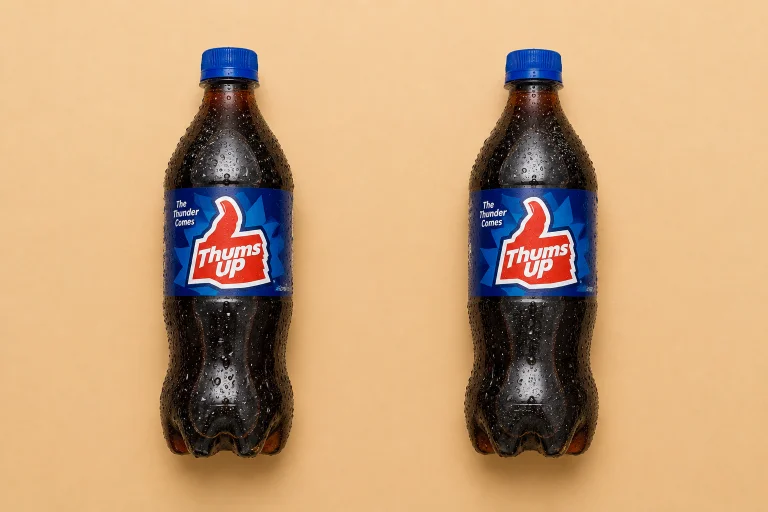
| Thums Up X Force | Coca-Cola India | Limited outlets | Sugar-free version of India’s top cola |
| Maaza (small pack) | Coca-Cola India | Small tetra pack | Dominant mango drink, ~90% of fruit juice sales |
Why Ten Rupees Became a Genuine Battleground
This price point exists because India remains one of the very few major markets where beverage companies still bother producing genuinely tiny serving formats — 200ml returnable glass bottles and small tetra packs — specifically to hit an accessible price ceiling. That’s a deliberate strategy rooted in the country’s massive population of price-sensitive consumers, where per capita soft drink consumption still trails far behind Western markets, meaning volume growth depends heavily on making each individual purchase as low-friction as possible.
What’s made this bracket genuinely more competitive in 2026 specifically is the return of Campa Cola, a legacy Indian brand now backed by Reliance Consumer, which relaunched with aggressive ten-rupee pricing designed to undercut the established multinational giants. That move forced both Coca-Cola and PepsiCo to respond directly, rolling out diet and zero-sugar variants at the same ten-rupee price point in key markets — reportedly the first time either company has introduced light or diet beverages at this specific price tier in India.
Coca-Cola: The Long-Standing Category Leader
Coca-Cola remains the single best-selling option within this bracket, and its staying power comes down largely to format consistency. The company has relied on a 200ml returnable glass bottle for years specifically to maintain this price point, a packaging choice that keeps costs down through bottle reuse rather than constantly manufacturing new single-use containers. That consistency has built genuine trust among consumers who know exactly what they’re getting — the same sweet, fizzy, standardized cola taste regardless of which corner shop or region they’re buying from.
Campa Cola: The Comeback Disrupting the Market
Campa Cola’s revival represents genuinely one of the more interesting beverage stories in India right now. Once a dominant cola brand before Coca-Cola’s re-entry into the Indian market decades ago, Campa has returned with Reliance Consumer’s backing and a deliberately aggressive 200ml bottle priced at ten rupees, explicitly targeting price-sensitive consumers. Its traditional cola flavor taps directly into nostalgia for older Indian consumers while offering genuine value that’s intensified competition across the entire cheap soft drink segment. Campa Lemon has followed a similar strategy, gaining particular traction in rural markets and smaller retail outlets where price sensitivity runs even higher than in major cities.
Pepsi No-Sugar and Coke Zero: The New Diet Entrants
This is genuinely the newest development in the ten-rupee bracket, and it reflects direct competitive pressure rather than organic market evolution. Both Pepsi No-Sugar and Coke Zero have been packaged into smaller serving sizes specifically to hit this price point, delivering the same core cola flavor without sugar or calories. Industry analysts have noted this move lets both multinational giants respond to Campa’s pricing pressure without cutting prices on their flagship full-sugar products, protecting margins on their most established brands while still competing directly at the entry-level price tier.
Thums Up X Force: The Sugar-Free Regional Option
Thums Up, India’s top-selling cola brand overall, has extended a sugar-free variant called X Force into the ten-rupee bracket, though availability remains somewhat limited to specific outlets rather than nationwide distribution. This selective rollout suggests Coca-Cola is testing demand for sugar-free options within its most dominant domestic brand before committing to broader distribution at this specific price point.
Maaza: The Non-Carbonated Alternative
Not every option in this bracket is a carbonated cola. Maaza, Coca-Cola’s mango-flavored fruit drink, holds a genuinely dominant position in its own category, accounting for roughly 90% of the country’s fruit juice sales according to industry estimates. Its small tetra pack format fits comfortably within the ten-rupee bracket, offering a non-carbonated, distinctly Indian flavor alternative for consumers who prefer mango’s sweetness over cola’s fizz — a genuinely significant consideration given how deeply mango is woven into Indian food culture.
What This Price War Reveals About the Indian Beverage Market
The genuine intensity of competition within this narrow price bracket tells you something important about how seriously beverage giants take the Indian market specifically. Rather than treating India as simply a smaller-margin version of their global business, Coca-Cola and PepsiCo have both restructured packaging and pricing strategy in direct, immediate response to a domestic challenger’s aggressive entry — a level of competitive urgency that reflects how much volume genuinely rides on winning over price-sensitive consumers at this exact ten-rupee threshold.
Frequently Asked Questions
Q1. Why did Coca-Cola and Pepsi suddenly introduce diet and zero-sugar drinks at ten rupees when they hadn’t before?
This was a direct competitive response to Campa Cola’s aggressive relaunch at the same price point, backed by Reliance Consumer. Rather than cutting prices on their established full-sugar flagship products, both companies extended their diet and zero-sugar lines into this bracket specifically to compete without disrupting their core product pricing.
Q2. Is Campa Cola genuinely comparable in taste and quality to Coca-Cola or Pepsi?
Campa Cola offers a traditional cola flavor that many older Indian consumers recognize from before Coca-Cola’s re-entry into the Indian market decades ago, and its aggressive pricing has made it a genuine competitor rather than a niche alternative, particularly in price-sensitive rural and semi-urban markets.
Q3. Why does Coca-Cola still use a 200ml returnable glass bottle instead of switching entirely to plastic?
The returnable glass format helps keep production costs down through bottle reuse, which is a meaningful factor in maintaining the ten-rupee price point profitably, even as many of the company’s larger-format products have shifted toward plastic packaging.
Q4. Are these ten-rupee soft drinks available consistently nationwide, or does availability vary by region?
Availability genuinely varies — while Coca-Cola’s standard ten-rupee bottle is widely distributed nationally, some newer or limited variants like Thums Up X Force remain available only in select outlets, and regional brands like Campa have historically shown stronger traction in specific markets, particularly rural and semi-urban areas, rather than uniform nationwide presence.