Every festival on the Indian calendar arrives with its own specific food — dishes that are made only at this time, in this form, for this occasion, according to recipes that were handed down from a grandmother who learned from her grandmother. These foods are not incidental to the festival. They are the festival’s most sensory and most democratic expression — something that every family member, regardless of age or interest in ritual, participates in through cooking and eating.
Indian festival foods carry multiple simultaneous functions — nutritional, cultural, devotional, and communal — that make them among the most meaning-dense foods in any culinary tradition.
Diwali: Mithai and Dry Fruit Barfis
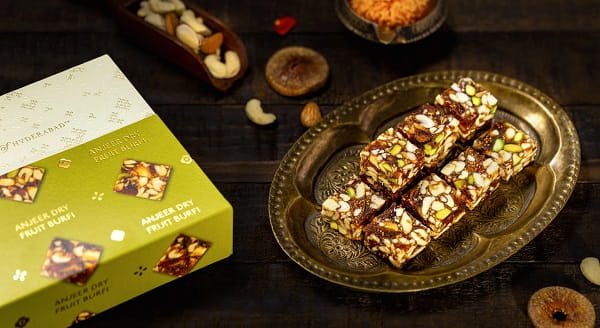
Diwali’s food expression is mithai in its most elaborate, most generous, most gifted form. Kaju Katli — cashew and sugar fudge wrapped in edible silver foil — is Diwali’s most iconic sweet, instantly recognisable in its diamond shape and silver sheen. Besan Ladoo, Motichoor Ladoo, Khoya Barfi, and Gulab Jamun share the Diwali mithai table — each representing a different regional tradition brought into the national festival.
The significance is explicitly about abundance, prosperity, and generosity — sweets are made in quantities sufficient for family, neighbours, domestic staff, and friends. The giving of mithai at Diwali enacts the festival’s philosophy of shared joy more concretely than almost any other element of the celebration.
Navratri: Sabudana Khichdi and Kuttu Dishes
Navratri’s nine days of fasting have generated one of India’s most creative culinary constraints — a food tradition that excludes grains, onion, and garlic but must still sustain energy and provide satisfaction. Sabudana Khichdi — tapioca pearls cooked with potatoes, peanuts, and green chilli — is the most beloved Navratri food, prized for its lightness and gentle satisfaction. Kuttu Ki Puri — buckwheat flour deep-fried bread — and Singhara Atta preparations round out the Navratri food vocabulary.
The nutritional intelligence of Navratri fasting foods is remarkable — sabudana provides sustained carbohydrate energy, peanuts provide protein and fat, and the absence of grains gives the digestive system a genuinely restorative rest period.
Eid: Sheer Khurma and Biryani
Eid ul-Fitr’s breaking of the Ramadan fast is marked by Sheer Khurma — a richly prepared vermicelli pudding cooked in milk with dates, dried fruits, and nuts, perfumed with saffron and rose water. Sheer Khurma is the first food of Eid morning — eaten before any other celebration begins — and its sweetness marks the transition from the month of fasting to the festival of abundance.
Eid’s larger gathering meal centres on Biryani — mutton, beef, or chicken slow-cooked with fragrant basmati rice — alongside seekh kebabs, korma, and an array of accompaniments that represent the full flowering of Mughal culinary tradition in Indian Muslim households.
Ganesh Chaturthi: Modak
Lord Ganesha’s favourite offering — modak — is a steamed rice flour dumpling filled with fresh coconut and jaggery, pinched into the characteristic flower-topped form that requires practiced hands to produce correctly. Maharashtra celebrates Ganesh Chaturthi with modak making as a family activity, with grandmothers teaching the pinching technique to grandchildren in a culinary transmission that is simultaneously food education and devotional practice.
The modak’s significance is devotional at its most explicit — the food is first offered to the deity, blessed by that offering, and then distributed to family members as prasad. Eating the modak after the puja is participating in both the devotion and the community simultaneously.
Pongal and Makar Sankranti: Sweet Pongal and Tilgul
The harvest festivals of South and North India arrive simultaneously in mid-January — Tamil Nadu’s Pongal and the pan-Indian Makar Sankranti — and both centre food as their primary celebratory expression. Tamil Nadu’s Sweet Pongal — rice and lentils cooked together in new milk until overflowing the pot — is a harvest ritual that thanks the sun, the soil, and the cattle for the agricultural abundance of the year. The overflowing symbolism is literal — the dish is cooked until it spills over the vessel’s rim as a celebration of abundance.
Maharashtra’s Tilgul — sesame and jaggery sweets shared with the greeting “Tilgul ghya, goad goad bola” (take sesame-jaggery and speak sweet words) — encodes a social value directly in its gifting ritual. The food and the greeting together constitute a peace-making, relationship-renewing gesture that the festival specifically enables.
Holi: Gujiya and Thandai
Holi’s food vocabulary centres on Gujiya — deep-fried pastry half-moons filled with sweetened khoya and dried fruits — and Thandai — a cold, spiced milk drink made with almonds, fennel, rose petals, cardamom, and traditionally bhang in some regional celebrations. Gujiya making is a family activity in the days before Holi — dozens or hundreds prepared together, fried in large batches, and stored for distribution across the days of celebration. The labour-intensive preparation is itself a pre-festival ritual that brings family together before the colour celebration begins.
Why Festival Foods Matter Beyond Their Taste
The nutritional intelligence embedded in Indian festival foods reflects centuries of observation about what the body needs at specific times of year. Navratri fasting foods in the seasonal transition periods give the digestive system rest. Tilgul’s sesame provides warmth in winter. Pongal’s rice and lentil combination offers complete protein nutrition to communities emerging from agricultural labour. Diwali’s dry fruit-heavy sweets provide dense nutrition in the approaching winter.
But the deeper importance is cultural. Festival foods are the most reliable mechanism through which food knowledge transfers across generations — the modak pinching technique, the Sheer Khurma proportions, the perfect consistency of kaju katli — are all transmitted through the festival cooking process in a way that cookbooks and food media cannot replicate.
When a grandmother and grandchild make Gujiya together two days before Holi, what is transferred is not merely a recipe. It is membership in a continuous cultural community — an experience of being connected to every previous generation that made the same thing, in the same way, for the same occasion.
Frequently Asked Questions (FAQs)
Q1. Are traditional Indian festival foods changing as nuclear families and busy lifestyles become more common?
A: Yes — but the change is in sourcing rather than abandonment. Urban nuclear families increasingly purchase mithai, gujiya, and modak from specialist sweet shops rather than making them at home — but the consumption, gifting, and ritual significance remain entirely intact. The food’s cultural function is preserved even when the home preparation is not. The concern among food culture observers is that the transmission of preparation knowledge — the techniques that can only be learned by doing alongside someone experienced — is genuinely under threat from the shift to purchased festival foods.
Q2. Do festival foods vary significantly between regions for the same festival?
A: Enormously. Diwali sweets in Gujarat feature Mohanthal and Ghughra. Diwali in Bengal centres on Sandesh and Mishti Doi. Diwali in Tamil Nadu features Mysore Pak and Murukku. The same festival is celebrated with entirely different food traditions in different regions — reflecting the principle that Indian festivals are nationally shared occasions with locally specific culinary expressions.
Q3. What is the nutritional significance of fasting and feasting cycles in Indian festival culture?
A: The structured alternation between fasting periods — Navratri, Ekadashi, and various individual religious fasting practices — and feasting periods creates a dietary rhythm that modern nutritional science has begun to validate. Periodic caloric restriction and digestive rest followed by nutrient-dense celebratory eating mirrors the intermittent fasting and refeeding cycles that metabolic health research identifies as beneficial. The wisdom was embedded in religious practice long before the science articulated the mechanism.
Q4. How can urban Indian families maintain the festival food tradition without the time that traditional preparation requires?
A: The most sustainable approach is selective depth rather than comprehensive coverage — choosing one or two festival foods per occasion to make from scratch together as a family activity, and purchasing the rest. The Ganesh Chaturthi family that makes modak together while buying their other needs has preserved the transmission function that matters most, without the unsustainable demand of preparing everything from scratch across a full festival calendar.
Q5. Is there a risk that traditional festival food knowledge will be lost as younger generations move away from home cooking?
A: The risk is real and acknowledged by food historians, cultural organisations, and food writers who document these traditions. The most effective conservation approaches combine documentation — recording recipes, techniques, and the stories behind dishes — with experiential transmission through cooking classes, festival food workshops, and grandparent-grandchild cooking programmes that recreate the intergenerational cooking environment that historically transmitted this knowledge naturally.
The Bottom Line
All three articles in this set celebrate the food culture that is simultaneously India’s most democratic institution and its most regionally specific expression. Street food is the space where geography, community, and daily routine produce their most spontaneous and most honest culinary expression. Viral food trends reveal how India’s food culture metabolises global influences — adopting techniques while asserting its own flavour identity with complete confidence. And festival foods demonstrate that the deepest significance of food in Indian culture extends beyond nutrition and pleasure into devotion, seasonal wisdom, and the intergenerational transmission of cultural identity. Understanding any one of these dimensions enriches the experience of all three — making every snack, every trend, and every festival food more fully what it is.