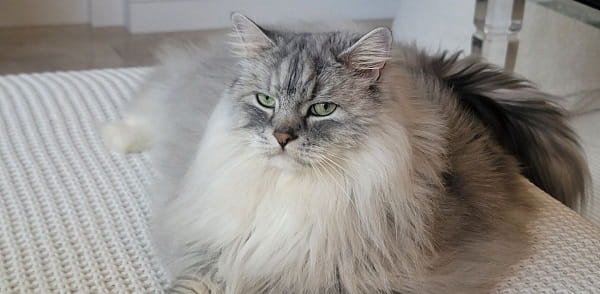
The Ragamuffin is one of the most underappreciated large cat breeds in the world — a plush, heavily coated, extraordinarily affectionate breed that is essentially a larger, more colour-diverse, and slightly more robust cousin of the Ragdoll. Developed from Ragdoll breeding stock in the 1990s when a group of breeders sought to expand the gene pool and introduce a wider range of coat colours and patterns than the Ragdoll’s strict breed standard permitted, the Ragamuffin combines the Ragdoll’s legendary gentle temperament with a broader colour palette and a slightly heartier physical constitution.
In India’s growing premium cat market of 2026, the Ragamuffin remains genuinely rare — less well-known than the Ragdoll it closely resembles, available through very limited breeding programs, and yet offering everything that makes the Ragdoll so beloved with additional variety and arguably improved genetic health from wider outcrossing. For buyers who specifically research beyond the most popular breeds, the Ragamuffin represents one of the finest undiscovered values in India’s premium cat market.
| Attribute | Details |
| Breed Name | Ragamuffin |
| Origin | USA — developed from Ragdoll breeding stock from 1994 |
| Relation to Ragdoll | Shares Ragdoll ancestry; developed as separate breed with wider colour range |
| Size | Large: 4.5–9 kg — similar to Ragdoll |
| Lifespan | 12–16 years |
| Temperament | Extremely gentle, affectionate, dog-like, sociable, trusting, calm |
| Coat | Long, dense, plush — walnut-like texture; almost all colours and patterns accepted |
| Eye Colour | All colours accepted — not restricted to blue like Ragdoll |
| Price Range (2026) | Rs. 35,000 – Rs. 1,20,000 |
| TICA / CFA Show Quality | Rs. 75,000 – Rs. 1,20,000+ |
| Monthly Maintenance | Rs. 4,000 – Rs. 10,000 |
| Best For | Families, apartments, first-time cat owners, dog lovers |
| Key Difference from Ragdoll | Wider colour range; non-blue eyes possible; slightly sturdier build |
About the Ragamuffin
The Ragamuffin’s origin involves one of the more colourful episodes in cat breed politics. The Ragdoll, created by Ann Baker in the 1960s, was subject to strict breeding franchise agreements that restricted breeders’ ability to develop the breed independently. In 1994, a group of established Ragdoll breeders decided to break away from Baker’s Ragdoll International organisation and develop a related but independent breed — calling it the Ragamuffin to acknowledge its Ragdoll heritage while distinguishing it as a separate development.
The breakaway breeders outcrossed the Ragdoll foundation stock with Persian, Himalayan, and domestic longhaired cats to expand the gene pool, introduce additional coat colours and patterns beyond the Ragdoll’s restricted colourpoint standard, and create a slightly heartier constitution. The CFA accepted the Ragamuffin for championship competition in 2011. TICA has also accepted the breed. The result is a cat that shares the Ragdoll’s legendary temperament — the extraordinary gentleness, the tendency to go limp when held, the dog-like sociability — while coming in an almost limitless range of coat colours and patterns including solids, tabbies, torties, and more.
In India, the Ragamuffin is exceptionally rare — even rarer than the Ragdoll, which itself is not commonly available. Most Ragamuffin buyers in India must source through international importers from USA or European breeding programs, making this a breed for genuinely committed enthusiasts.
Ragamuffin Price in India 2026 — City-Wise Breakdown
| City / Category | Min Price (INR) | Max Price (INR) |
| Delhi / NCR | Rs. 38,000 | Rs. 1,05,000 |
| Mumbai | Rs. 40,000 | Rs. 1,15,000 |
| Bangalore | Rs. 35,000 | Rs. 95,000 |
| Hyderabad | Rs. 32,000 | Rs. 90,000 |
| Chennai / Kolkata | Rs. 28,000 | Rs. 85,000 |
| Tier-2 Cities (rare) | Rs. 20,000 | Rs. 65,000 |
| TICA / CFA Registered Show Quality | Rs. 75,000 | Rs. 1,20,000+ |
| Imported — USA / Europe | Rs. 1,00,000 | Rs. 1,60,000+ |
Note: Given the Ragamuffin’s extreme rarity in India, any seller offering “Ragamuffins” at significantly below these prices should be asked for TICA or CFA documentation. Some sellers misrepresent Ragdolls or domestic longhairs as Ragamuffins. Request registration papers from the parent cats and detailed photographs of the pedigree before any purchase or import commitment.
Colour Varieties
Unlike the Ragdoll which is restricted to colourpoint, mitted, and bicolour patterns in specific colours, the Ragamuffin accepts virtually all coat colours and patterns. This is one of its primary distinctions from the Ragdoll. Solid colours — white, black, blue, red, cream — are available. Tabby patterns in all four types are accepted. Tortoiseshell and calico patterns appear. Colourpoint patterns similar to the Ragdoll are available but eyes need not be blue in non-colourpoint varieties. This extraordinary colour diversity makes the Ragamuffin one of the most visually varied large cat breeds available.
Temperament and Suitability
The Ragamuffin’s temperament is its most celebrated quality — and it is genuinely as exceptional as its reputation suggests. These cats are extraordinarily gentle, trusting, and people-oriented in a way that goes beyond most other breeds. They go limp when held — the “ragdoll flop” that the Ragdoll is famous for is equally present in the Ragamuffin. They seek human company constantly, follow their owners through the home, greet visitors warmly, and display an almost puppyish enthusiasm for interaction that their large, plush bodies make simultaneously imposing and irresistible.
Their exceptional tolerance for handling makes them outstanding cats for families with children. Multiple Ragamuffin breeders describe them as among the most child-safe cats in existence — their response to rough handling is patient, gentle tolerance rather than defensive aggression. They get along well with dogs and other cats. For Indian households where multiple family members including children will interact with the cat daily, the Ragamuffin is one of the safest and most rewarding choices available.
Health and Lifespan
The Ragamuffin’s wider genetic base from its outcrossing history generally produces better genetic diversity than the Ragdoll — a potential health advantage. However, the primary hereditary concern remains HCM (Hypertrophic Cardiomyopathy) — shared with Ragdoll and all large cat breeds. Annual echocardiographic cardiac screening of breeding cats is essential. PKD (Polycystic Kidney Disease) may occur from the Persian/Himalayan outcrosses used in breed establishment — DNA testing of breeding cats is recommended.
In India’s climate, the long plush coat requires weekly home brushing and professional grooming every 6–8 weeks. Thorough drying after bathing is essential in India’s humidity. The coat is described as having a walnut-like plush texture that is somewhat less mat-prone than the Persian but denser than the Ragdoll.
Monthly Maintenance Cost in India (2026 Estimate)
| Cost Category | Estimated Cost |
| Premium Cat Food | Rs. 2,000 – Rs. 4,500/month |
| Professional Grooming | Rs. 1,200 – Rs. 2,800/session; every 6–8 weeks |
| Litter and Litter Box | Rs. 500 – Rs. 1,400/month |
| Veterinary Care (annual incl. HCM) | Rs. 6,000 – Rs. 16,000 |
| Vaccinations & Preventives | Rs. 2,000 – Rs. 4,500 annually |
| Total Estimated Monthly Cost | Rs. 4,000 – Rs. 10,000 |
Conclusion
The Ragamuffin is the premium cat market’s finest undiscovered gem — offering the Ragdoll’s legendary gentleness, the extraordinary ragdoll-flop trustfulness, and the dog-like sociability that makes large semi-longhaired breeds so beloved, combined with a wider colour palette, potentially improved genetic health, and a plush beauty that rivals any breed available in India in 2026. For buyers willing to invest the patience and research required to source this rare breed, the Ragamuffin delivers one of the most deeply rewarding feline companionships available.
Frequently Asked Questions (FAQs)
Q1. What is the Ragamuffin cat price in India in 2026?
A: Ragamuffin prices from reputable sources in India in 2026 range from Rs. 28,000 to Rs. 1,15,000 depending on city and documentation. TICA or CFA-registered show quality Ragamuffins start at Rs. 75,000. The breed’s extreme rarity means most quality individuals require import from the USA or Europe at Rs. 1,00,000–Rs. 1,60,000+ including import costs.
Q2. What is the difference between a Ragdoll and a Ragamuffin?
A: Both share Ragdoll ancestry and the same extraordinary gentle temperament including the “ragdoll flop.” The Ragamuffin accepts a much wider range of coat colours and patterns — not restricted to colourpoint. The Ragamuffin may have non-blue eyes depending on coat pattern. The Ragamuffin has a slightly denser, plushier coat texture described as walnut-like. The Ragamuffin is generally slightly sturdier in constitution from its wider gene pool. Both make equally exceptional family cats.
Q3. Why is the Ragamuffin so rare in India?
A: The Ragamuffin is genuinely rare globally — even in its country of origin (USA) it has significantly fewer breeders than the Ragdoll. In India, where even the Ragdoll is considered a premium rare breed, the Ragamuffin’s additional rarity means essentially no domestic breeding programs exist. All available Ragamuffins in India are imported. For motivated buyers this is manageable through reputable international importers, but patience and a 6–18 month timeline for locating and importing a quality individual is realistic.
Q4. Do Ragamuffins really go limp when picked up?
A: Yes — the ragdoll flop (going completely limp and relaxed when held) is documented in Ragamuffins as strongly as in Ragdolls, reflecting the shared temperament heritage. Most Ragamuffins display this characteristic — going relaxed and floppy when cradled, accepting being carried in almost any position. This quality reflects their extraordinary trust and comfort with human handling rather than any physical abnormality.
Q5. Is the Ragamuffin healthier than the Ragdoll?
A: The Ragamuffin’s wider genetic base from its outcrossing history with Persian, Himalayan, and domestic longhaired cats generally creates better genetic diversity — which tends to correlate with improved health and reduced expression of hereditary conditions. Both breeds share HCM risk, but the Ragamuffin’s broader gene pool may reduce the concentration of genetic health vulnerabilities that can occur in more tightly bred populations.