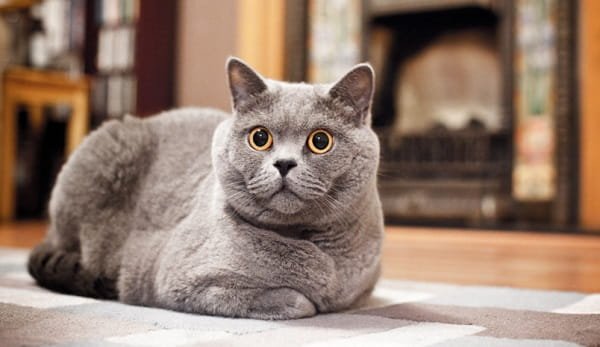
The Russian Blue is one of the most elegant, quietly beautiful, and temperamentally distinctive cat breeds in the world — a medium-sized, short-coated breed with a dense, plush blue-grey coat where each individual hair is silver-tipped, creating a shimmering, luminous quality that is entirely unique to the breed. Combined with its vivid emerald green eyes — the breed’s most celebrated feature — the Russian Blue creates a visual impression of composed, aristocratic beauty that has made it one of the most admired cat breeds since its introduction to Western Europe in the 19th century.
In India’s growing premium cat market of 2026, the Russian Blue appeals particularly to buyers who want a refined, elegant companion with manageable grooming requirements and an independent yet loyal temperament that suits working urban professionals. This guide covers accurate pricing, the breed’s fascinating history, health information, and the honest temperament realities that define Russian Blue ownership.
| Attribute | Details |
| Breed Name | Russian Blue (Archangel Blue / Foreign Blue) |
| Origin | Archangel Islands, Russia — natural breed |
| Size | Medium: 3.5–6 kg |
| Lifespan | 15–20 years — exceptional longevity |
| Temperament | Gentle, reserved, loyal, intelligent, quiet, sensitive |
| Coat | Short, dense, double coat — blue-grey with silver tipping |
| Eye Colour | Always vivid green — a defining characteristic; yellow-green in kittens |
| Price Range (2026) | Rs. 20,000 – Rs. 90,000 |
| TICA / CFA Show Quality | Rs. 60,000 – Rs. 90,000+ |
| Monthly Maintenance | Rs. 3,000 – Rs. 7,500 |
| Best For | Quiet households, working professionals, sensitive owners |
| Climate Suitability | Good — double coat manageable with weekly brushing |
| Hypoallergenic Claim | Lower Fel d 1 production claimed — less documented than Siberian |
About the Russian Blue
The Russian Blue’s origins are traced to the port city of Arkhangelsk (Archangel) in northern Russia, where sailors reportedly kept these blue-grey cats aboard ships sailing the Arctic trade routes. British sailors brought the first Russian Blues to England in the late 19th century — the breed appeared in shows from approximately 1875 onward. Early names included “Archangel Cat” and “Foreign Blue” before the “Russian Blue” designation became standard.
The breed’s association with Russian royalty — specifically with Tsar Nicholas I who reportedly kept Russian Blues at the Winter Palace — is part of its historical narrative, though this connection is more legendary than precisely documented. The breed nearly disappeared during World War II, requiring careful revival through crosses with Scandinavian blue cats and British Blues in the post-war years.
In India, Russian Blues have been present in small numbers since approximately 2015, with growing availability through 2024–2025 as awareness of the breed’s combination of low-maintenance coat and refined temperament appeals to India’s growing professional urban cat-owning community.
Russian Blue Price in India 2026 — City-Wise Breakdown
| City / Category | Min Price (INR) | Max Price (INR) |
| Delhi / NCR | Rs. 25,000 | Rs. 80,000 |
| Mumbai | Rs. 28,000 | Rs. 85,000 |
| Bangalore | Rs. 22,000 | Rs. 75,000 |
| Hyderabad | Rs. 20,000 | Rs. 70,000 |
| Chennai / Kolkata | Rs. 18,000 | Rs. 65,000 |
| Tier-2 / Tier-3 Cities | Rs. 12,000 | Rs. 45,000 |
| TICA / CFA Registered Show Quality | Rs. 60,000 | Rs. 90,000+ |
| Imported — Russia / Europe / Australia | Rs. 85,000 | Rs. 1,40,000+ |
Temperament and Suitability
The Russian Blue’s temperament is one of the most distinctively refined in the cat world — gentle, reserved, observant, and deeply loyal to its chosen family while maintaining a reserved quality with strangers that reflects the breed’s sensitive, somewhat introverted nature. They are not immediately welcoming to unfamiliar people — they observe new arrivals carefully from a distance before deciding whether to approach. This wariness is not aggression — it is the measured caution of a sensitive, intelligent cat that takes its social decisions seriously.
Within their family, Russian Blues are deeply affectionate, forming close bonds with a small number of people they completely trust. They remember routines with precision, prefer consistent quiet environments, and are sensitive to disruption, noise, and change. For calm, quiet Indian households — working couples in apartments who want a loyal, elegant, low-drama companion — the Russian Blue is close to ideal.
Health and Lifespan
The Russian Blue is one of the healthiest and longest-lived domestic cat breeds — regularly reaching 15–20 years. It has relatively few breed-specific hereditary conditions compared to many popular breeds. Polycystic Kidney Disease (PKD) occurs in some bloodlines from the post-war British Blue outcrosses — DNA testing is available. Progressive Retinal Atrophy (PRA) is documented — DNA test available from responsible breeders.
The primary health management consideration in India is obesity — Russian Blues have a strong food motivation and tendency toward weight gain if free-fed. Portion-controlled feeding twice daily is strongly recommended. The dense double coat in India’s climate requires weekly brushing to remove loose undercoat, with professional grooming every 6–8 weeks.
Monthly Maintenance Cost in India (2026 Estimate)
| Cost Category | Estimated Cost |
| Premium Cat Food (portion controlled) | Rs. 1,500 – Rs. 3,500/month |
| Grooming (short double coat) | Rs. 600 – Rs. 1,400/session; every 6–8 weeks |
| Litter and Litter Box | Rs. 500 – Rs. 1,200/month |
| Veterinary Care (annual) | Rs. 5,000 – Rs. 13,000 |
| Vaccinations & Preventives | Rs. 1,500 – Rs. 3,500 annually |
| Total Estimated Monthly Cost | Rs. 3,000 – Rs. 7,500 |
Frequently Asked Questions (FAQs)
Q1. What is the Russian Blue cat price in India in 2026?
A: Russian Blue prices from reputable breeders in India in 2026 range from Rs. 18,000 to Rs. 85,000. TICA or CFA-registered show-quality individuals start at Rs. 60,000. Russian or European imports reach Rs. 85,000–Rs. 1,40,000+. Always request TICA papers and PKD DNA test results for both parents.
Q2. Why do Russian Blue kittens have yellow-green eyes?
A: Russian Blue kittens are born with blue eyes that transition through yellow to vivid emerald green as the cat matures — typically reaching full green intensity by 4 months of age. The adult Russian Blue’s vivid green eyes are one of its most celebrated characteristics and a defining element of the breed standard. Any adult Russian Blue with non-green eyes should be considered suspect in terms of breed purity.
Q3. What makes the Russian Blue coat shimmer?
A: Each individual hair in the Russian Blue’s coat has a blue-grey base with a silver tip — creating a light-reflective quality that gives the coat its distinctive shimmering, luminous appearance, particularly visible in natural light. This silver tipping is a genetic characteristic specific to the breed and is the primary visual identifier of a genuine Russian Blue coat.
Q4. Are Russian Blues good for allergy sufferers?
A: Russian Blues are sometimes claimed to produce lower Fel d 1 allergen levels than average cats — anecdotal evidence supports this claim and some allergy sufferers report better tolerance. However, the scientific documentation for Russian Blue hypoallergenic qualities is less robust than for the Siberian. Allergy-sensitive buyers should spend extended time with the specific cat before commitment.
Q5. Is the Russian Blue good for a first-time cat owner?
A: Yes, with one important note — the Russian Blue’s sensitivity means it thrives in calm, consistent environments and may take longer to bond with new owners than more immediately sociable breeds. First-time owners who are patient and gentle will be rewarded with one of the most loyal and quietly devoted feline companions available. Those who want immediate, exuberant affection may find the Russian Blue’s reserved quality initially disappointing.