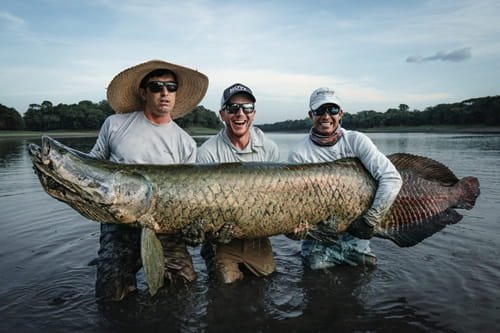
The Arapaima — known scientifically as Arapaima gigas and colloquially as the Pirarucu or Paiche — holds the distinction of being one of the largest freshwater fish on the planet. Native to the Amazon River basin in South America, Arapaima regularly reach two metres in length and can exceed 200 kilograms in the wild, making them a species that commands immediate, visceral respect from anyone who encounters them. In India, Arapaima occupy a peculiar dual market — they exist in the ornamental aquarium trade among serious large fish collectors, and simultaneously in the aquaculture sector as a high-value food fish being explored for commercial farming potential.
Legal Status in India
The legal landscape around Arapaima ownership and trade in India is nuanced and requires careful attention. Arapaima are not native to India and therefore do not fall under the Wildlife Protection Act of 1972’s native species protections. However, the import, possession, and trade of exotic aquatic species in India is regulated under various state-level fisheries acts and the Environment Protection Act. CITES Appendix II listing of Arapaima gigas means international trade requires documentation verifying legal acquisition. Prospective buyers — whether for aquaculture or ornamental purposes — should verify current state-level regulations, as these vary considerably and enforcement differs significantly across regions.
Arapaima in the Indian Market
India’s interest in Arapaima has grown along two separate tracks. Among serious aquarium hobbyists and large-scale ornamental fish collectors — particularly in cities like Mumbai, Delhi, Bengaluru, Hyderabad, and Chennai — juvenile Arapaima are sought as centrepiece display fish for very large aquarium systems. Their prehistoric appearance, the dramatic armoured scales, and their sheer eventual size create a powerful visual statement that no native Indian freshwater fish can approach. Simultaneously, aquaculture researchers and fish farmers in states including Kerala, West Bengal, Andhra Pradesh, and Tamil Nadu have been exploring Arapaima as a commercially viable food fish, attracted by their extraordinary growth rates and high flesh-to-body-weight ratio.
Factors That Determine Arapaima Prices
Size at time of sale is the most significant price driver. Arapaima are sold at different stages — from small juveniles of 10 to 20 centimetres to larger sub-adult specimens. Smaller juveniles are less expensive but carry higher mortality risk during shipping and acclimation. Larger, more established fish are priced higher but adapt more reliably to new environments.
Source and documentation matters considerably. Arapaima sourced through verified importers with legitimate CITES paperwork and health certifications cost more than informally traded fish, but represent a significantly lower legal and health risk for the buyer.
Intended purpose affects pricing too — fish sold for display aquarium purposes are typically held to higher aesthetic standards (scale condition, fin integrity, body symmetry) than fish sold for aquaculture grow-out operations, where growth rate and disease resistance are the primary selection criteria.
Price Ranges in India
Juvenile Arapaima (10–20 cm): ₹3,000 – ₹8,000 per fish. Entry-level size for ornamental collectors. Requires excellent water quality and rapid tank scaling as growth is fast.
Sub-adult Arapaima (30–50 cm): ₹8,000 – ₹20,000 per fish. More established fish with lower acclimation mortality. Preferred by serious collectors.
Large display specimens (60–100 cm): ₹20,000 – ₹60,000+. Rare in the market; typically available only through specialist importers or established collectors.
Aquaculture fingerlings (bulk, 5–10 cm): ₹500 – ₹2,000 per fish depending on quantity. Prices drop significantly for bulk purchases intended for grow-out operations.
Housing and Care Requirements
Arapaima are absolutely not suitable for standard home aquariums. Even juvenile specimens grow at a rate of approximately one centimetre per week under good conditions — a fish purchased at 20 centimetres will exceed 60 centimetres within a year. Adult fish require ponds or very large custom aquarium systems measured in thousands of litres. Attempting to house Arapaima in inadequate setups results in stunted growth, stress, physical injury from fin and scale damage against tank walls, and premature death.
Arapaima are obligate air-breathers — they surface to breathe atmospheric air through a specialised swim bladder that functions like a primitive lung. Tanks must allow free surface access at all times; covering a tank without adequate air gap is fatal. Water temperature should be maintained between 24°C and 30°C, water quality must be excellent, and filtration must be proportional to the enormous bioload these fish produce.
Diet for captive Arapaima consists primarily of whole fish, prawns, pellets formulated for large carnivorous fish, and occasionally other protein sources. Monthly feeding costs for a growing Arapaima can run ₹3,000 to ₹10,000 depending on the fish’s size and growth stage. Arapaima are best suited to dedicated aquaculture operations, large private pond setups, or the collections of extremely serious, well-resourced aquarium enthusiasts with purpose-built facilities.