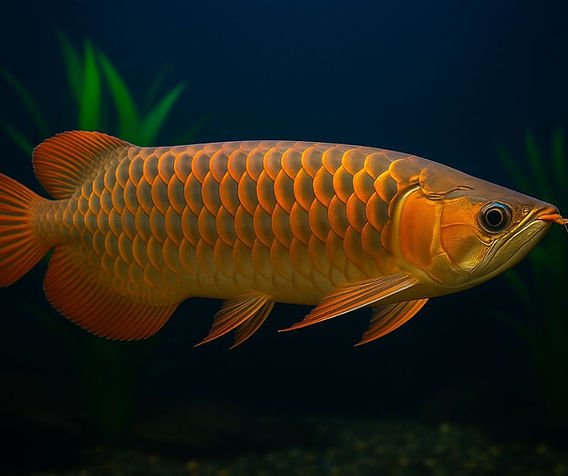
Few freshwater fish command the kind of reverence, cultural mythology, and serious financial investment that the Arowana does. Known across Southeast Asia as the “Dragon Fish,” the Arowana is simultaneously one of the most prized ornamental fish in the world and one of the most legally complex to own in India. Its elongated, muscular body, large reflective scales that shimmer like hammered metal under aquarium lighting, and its distinctive gliding swimming motion have made it a status symbol in wealthy households, upscale offices, and luxury hotels across the country. Before exploring prices, however, every prospective buyer must understand exactly where they stand legally — because the Arowana market in India operates in territory that demands careful navigation.
Legal Status of Arowana in India
The Arowana family (Osteoglossidae) includes several species, and their legal status in India varies critically by species. Asian Arowana (Scleropages formosus) — the most prized and expensive variety — is listed under CITES Appendix I, meaning international commercial trade is essentially prohibited. Owning an Asian Arowana in India without verifiable documentation proving legal captive-bred status and lawful importation is illegal and carries real consequences. Silver Arowana (Osteoglossum bicirrhosum), native to the Amazon basin, falls under CITES Appendix II — regulated trade is permitted with proper documentation. Black Arowana (Osteoglossum ferreirai) carries similar Appendix II status. Buyers must insist on complete, verifiable documentation regardless of which species they pursue. The informal Indian market does contain undocumented Arowanas sold through back channels — purchasing these is both legally risky and ethically indefensible.
Why Arowanas Command Such High Prices
Beyond legality, Arowana prices reflect several genuine factors. Asian Arowanas are slow-breeding fish that produce small clutches — the male carries fertilised eggs and juvenile fry in his mouth — making captive production inherently limited relative to demand. Colour quality in Asian Arowanas is graded meticulously, and top-grade specimens with deep, uniform colouration and perfect scale alignment command extraordinary premiums. Cultural factors amplify this — in Chinese tradition, the Arowana’s resemblance to a dragon, its gold and red colouration, and its surface-skimming behaviour are considered powerful symbols of prosperity and good fortune. This belief system drives genuine demand among Indian buyers of Chinese cultural heritage and among business owners who install premium Arowanas in office lobbies as prosperity symbols.
Arowana Species and Price Ranges in India
| Species | Variety / Grade | Price Range (₹) | Availability | Legal Status |
| Silver Arowana | Standard | ₹2,000 – ₹8,000 | Good | CITES Appendix II |
| Black Arowana | Standard | ₹3,000 – ₹10,000 | Moderate | CITES Appendix II |
| Asian Arowana | Green | ₹20,000 – ₹60,000 | Very Limited | CITES Appendix I |
| Asian Arowana | Golden Crossback | ₹80,000 – ₹3,00,000 | Extremely Rare | CITES Appendix I |
| Asian Arowana | Super Red | ₹1,00,000 – ₹5,00,000 | Extremely Rare | CITES Appendix I |
| Asian Arowana | Chilli Red (Top Grade) | ₹3,00,000 – ₹15,00,000+ | Exceptionally Rare | CITES Appendix I |
| Jardini Arowana | Standard | ₹5,000 – ₹20,000 | Limited | CITES Appendix II |
Silver and Black Arowana — The Accessible Entry Point
For Indian hobbyists who want the Arowana experience within legal and financial reach, Silver Arowana is the realistic starting point. Native to the Amazon, Silver Arowanas are large, impressive fish that grow rapidly — reaching 60 to 90 centimetres in captivity — with the same distinctive gliding motion and surface-feeding behaviour that makes the species family so compelling. Juveniles of 10 to 15 centimetres are available for ₹2,000 to ₹5,000 from reputable aquarium stores and importers in major Indian cities.
Asian Arowana — The Premium Tier
The Asian Arowana is where prices reach levels that place it beyond all but the most serious and well-resourced collectors in India. Super Red Arowanas from Kalimantan, Golden Crossback specimens from Malaysia, and Chilli Red variants from certified farms represent the pinnacle of the ornamental fish market globally — not just in India. These fish arrive with microchip implants and individual certificates issued by certified farms registered with CITES authorities. Every legitimate Asian Arowana at this price level is individually identifiable and traceable. Any seller offering an Asian Arowana without microchip documentation is selling an illegally sourced fish, regardless of price.
Setup and Tank Requirements
| Item | Cost Range (₹) | Notes |
| Arowana Tank (500–1000 litres) | ₹20,000 – ₹80,000 | Minimum 5 feet length for adult fish |
| External Canister Filter | ₹5,000 – ₹20,000 | High-capacity biological filtration essential |
| Submersible Heater | ₹1,500 – ₹4,000 | Maintain 26°C–30°C |
| Tight-Fitting Tank Cover | ₹2,000 – ₹6,000 | Arowanas are powerful jumpers |
| UV Steriliser | ₹3,000 – ₹10,000 | Reduces disease risk significantly |
| Lighting | ₹2,000 – ₹8,000 | Enhances scale colouration |
| Total Setup Estimate | ₹33,500 – ₹1,28,000 | Excluding fish purchase price |
Arowanas are surface-oriented, powerful swimmers that require tanks of at minimum 500 litres for juveniles and 1,000 litres or more for adults. They are notorious jumpers — a tank without a secure, tight-fitting cover is a tank that will eventually produce a dead fish on the floor. Water temperature between 26°C and 30°C, slightly acidic pH between 6.5 and 7.5, and excellent filtration handling their considerable bioload are non-negotiable requirements.
Monthly Ongoing Costs
| Expense | Monthly Cost (₹) | Notes |
| Food (feeder fish, pellets, insects) | ₹1,500 – ₹5,000 | Varies by fish size |
| Water treatments and conditioners | ₹500 – ₹1,500 | Regular water changes essential |
| Electricity (filtration, heating, lighting) | ₹800 – ₹2,000 | Large tank systems draw significant power |
| Veterinary / specialist consultation | ₹500 – ₹2,000 | Periodic aquatic vet check-ups |
| Total Monthly | ₹3,300 – ₹10,500 | Higher for larger or premium specimens |
Arowanas eat primarily live or frozen foods — feeder fish, large insects like crickets and mealworms, prawns, and high-quality carnivore pellets. They are notoriously fussy eaters who sometimes refuse new foods for extended periods. Patience and variety in diet are key to maintaining their health and colouration over the long term.