Meta Description: Searching for calico cat price in India 2026? Get the complete guide — what makes a calico, genetics explained, lucky cat traditions, popular breeds, prices, and buying tips.
Introduction
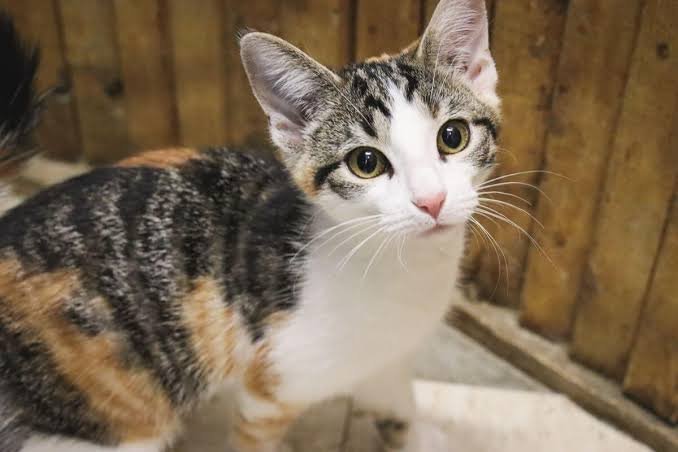
The calico cat is one of the most visually distinctive and culturally beloved coat patterns in the world — a striking combination of white, orange, and black (or their dilute equivalents: white, cream, and blue-grey) distributed in patches across the coat that creates a uniquely cheerful, three-coloured appearance. In India, calico cats are widely found among domestic shorthair and longhair cats and are associated across multiple Asian cultures with good fortune, prosperity, and positive energy.
Like the ginger cat, “calico” is a coat colour and pattern description, not a breed name. This guide covers what calico means genetically, why virtually all calico cats are female, the cultural significance of calico in India and Asia, the breeds that produce the most spectacular calico colouring, and current pricing for calico cats of different types in India’s 2026 market.
Article Overview — At a Glance
| Attribute | Details |
| Definition | Calico = coat pattern — white base with orange AND black patches |
| Not a Breed | Calico describes colour pattern, not breed |
| Dilute Calico | White, cream, and blue-grey — softer version of classic calico |
| Genetics | Requires two X chromosomes with different orange gene expression — almost always female |
| Male Calico | Extremely rare (1 in 3,000) — almost always sterile; caused by XXY chromosome abnormality |
| Cultural Significance | “Lucky cat” in Japanese (Maneki-neko), associated with fortune in India and across Asia |
| Indian Cultural Context | White-orange-black considered auspicious colour combination in several Indian traditions |
| Price Range (2026) | Rs. 0 (adoption) – Rs. 1,20,000 (pedigreed show quality calico) |
| Domestic Calico Cat | Free – Rs. 5,000 |
| Pedigreed Calico (Persian, British Shorthair) | Rs. 15,000 – Rs. 1,20,000 |
| Monthly Maintenance | Rs. 1,500 – Rs. 10,000 (entirely breed-dependent) |
The Genetics of Calico Cats
Understanding calico genetics is genuinely fascinating and explains why the pattern is so strongly associated with female cats. The calico pattern requires the simultaneous expression of both the orange gene (O) and the non-orange gene (o) in a single cat — something that requires two X chromosomes carrying different orange gene variants.
Female cats have XX chromosomes — they can inherit one X with the orange gene and one X without, creating the orange-and-black patchwork that is calico. In a biological process called X-inactivation (lyonisation), each cell in the developing embryo randomly switches off one of its two X chromosomes. Some cells switch off the orange X, expressing black colouration. Others switch off the non-orange X, expressing orange colouration. The resulting random mosaic of orange and black patches — combined with the separate white spotting gene — creates the calico pattern.
Male cats have XY chromosomes — with only one X chromosome, they express either orange (ginger) or black, never both. Male calicos exist but are extraordinarily rare — approximately 1 in 3,000 calico cats — caused by an XXY chromosomal abnormality (Klinefelter syndrome) where the cat inherits two X chromosomes and one Y. These rare male calicos are almost always sterile.
The dilute calico substitutes cream (dilute orange) and blue-grey (dilute black) for the standard orange and black, creating a softer, more pastel version of the classic calico pattern. Dilute calicos are caused by the presence of the dilution gene that reduces pigment intensity.
Calico Cat Price in India 2026 — By Type
| Calico Cat Type | Min Price (INR) | Max Price (INR) |
| Indian Domestic Calico — Adoption | Free | Rs. 2,000 |
| Domestic Calico Shorthair | Rs. 1,000 | Rs. 5,000 |
| Calico Persian | Rs. 12,000 | Rs. 65,000 |
| Calico British Shorthair | Rs. 30,000 | Rs. 1,00,000 |
| Calico Maine Coon | Rs. 45,000 | Rs. 1,20,000 |
| Calico Exotic Shorthair | Rs. 25,000 | Rs. 80,000 |
| Calico Japanese Bobtail | Rs. 40,000 | Rs. 95,000 |
| Male Calico (extremely rare — sterile) | Collector premium | Variable |
| TICA / Show Quality Calico Pedigreed | Rs. 60,000 | Rs. 1,20,000+ |
Cultural Significance in India and Asia
The calico cat’s cultural significance across Asia is profound and directly relevant to Indian buyers. In Japan, the Maneki-neko (beckoning cat) — the iconic ceramic cat with a raised paw seen in businesses and homes across India — is most commonly depicted in calico colouration. The beckoning cat is believed to bring good luck, fortune, and prosperity to its owner’s home or business. The calico’s three-colour combination is considered particularly auspicious in Japanese folk tradition.
In India, calico cats are associated with positive energy in several regional folk traditions. The combination of white (purity), orange (prosperity and vitality), and black (protection and strength) in a single animal is interpreted as a balanced, auspicious presence in the home across various Indian cultural contexts. Several Indian households specifically seek calico cats for their perceived ability to bring household harmony and fortune — a cultural preference that gives the calico a distinct appeal beyond its aesthetic qualities.
In Irish and Scottish folklore, a calico cat arriving at your door uninvited is considered a significant good omen. The American term “money cat” for calico reflects widespread Western associations between the three-coloured cat and financial fortune. This global convergence of calico-as-lucky-cat across unrelated cultures is one of the most fascinating cross-cultural phenomena in human-animal relationship history.
Temperament and Suitability
Calico is a coat pattern, not a breed, meaning calico cats span the full spectrum of feline temperament depending on their actual breed or individual heritage. Several studies have examined whether coat colour correlates with personality in cats — notably a 2015 University of California Davis survey that found tortoiseshell and calico cats were more frequently described by their owners as “challenging” than solid-coloured cats, a phenomenon sometimes called “tortitude.” This study was owner-reported rather than objectively measured, and other researchers have questioned its methodology.
What is well-established is that domestic Indian calico cats — typically mixed-heritage domestic shorthairs — tend toward the adaptable, sociable temperaments shaped by generations of living in close proximity to human communities. For the most part, the calico’s temperament is its own individual character rather than a colour-determined personality profile.
Health and Lifespan
Health considerations for calico cats are entirely breed-dependent — the calico pattern itself does not predispose to any specific health conditions. The one genetic curiosity is the sterile male calico (XXY Klinefelter syndrome) — these cats are generally healthy despite their chromosomal abnormality, though sterility is universal and some may have slightly elevated risk of certain endocrine conditions.
Domestic calico cats and Indian street calicos have the robust health profile of genetically diverse domestic cats. Pedigreed calico cats carry the health considerations specific to their breed — PKD for Persian calicos, HCM for Maine Coon calicos, and so on.
Monthly Maintenance Cost in India (2026 Estimate)
| Calico Cat Type | Monthly Cost Estimate |
| Domestic Calico / Indian Indie | Rs. 1,500 – Rs. 3,500 |
| Calico Persian | Rs. 4,000 – Rs. 9,000 |
| Calico British Shorthair | Rs. 3,500 – Rs. 8,000 |
| Calico Maine Coon | Rs. 4,500 – Rs. 10,000 |
Frequently Asked Questions (FAQs)
Q1. What is the calico cat price in India in 2026?
Calico cat prices depend entirely on breed. Domestic calico cats are available free through adoption or Rs. 1,000–Rs. 5,000 from informal sources. Calico Persians range Rs. 12,000–Rs. 65,000. Calico British Shorthairs range Rs. 30,000–Rs. 1,00,000. Calico Maine Coons range Rs. 45,000–Rs. 1,20,000. TICA-registered show-quality calico cats start at Rs. 60,000.
Q2. Why are almost all calico cats female?
Calico requires simultaneous expression of both orange and non-orange coat colour genes — which requires two X chromosomes carrying different orange gene variants. Only females (XX chromosomes) can carry both. Males (XY) have only one X chromosome and can only express one colour gene — making them either ginger or black/dark, never calico. Male calicos occur in approximately 1 in 3,000 cases through an XXY chromosomal abnormality and are almost always sterile.
Q3. Are calico cats considered lucky in India?
Yes — calico cats are associated with good fortune across multiple Asian cultures including various Indian regional traditions. The three-colour combination of white, orange, and black is interpreted as auspicious in Indian folk traditions. The Japanese Maneki-neko (beckoning lucky cat) is most commonly depicted in calico colouration, and this association has become widely recognised in Indian culture through the ubiquitous lucky cat figurines seen in Indian businesses.
Q4. What is a dilute calico?
A dilute calico has the same three-colour pattern as a standard calico but with reduced pigment intensity — cream (dilute orange) and blue-grey (dilute black) instead of vivid orange and black, against a white base. The dilution is caused by the presence of two copies of the dilution (d) gene that reduces melanin pigment intensity. Dilute calicos have a softer, more pastel appearance and are equally common genetically — many Indian buyers find the dilute calico’s softer colouring particularly attractive.
Q5. Can I adopt a calico cat in India?
Yes — calico domestic shorthairs are among the most commonly available cats in Indian shelters and as community cats. Many animal welfare organisations across India have calico cats available for adoption at minimal or no cost. Adopting a domestic calico is the most ethical, affordable, and practically excellent choice for most Indian buyers who simply want the beautiful three-colour coat in a healthy, loving companion.
Conclusion
The calico cat — with its three-colour coat of white, orange, and black — is one of nature’s most cheerful genetic expressions and one of India’s most culturally significant cat patterns. Whether you choose a free adopted domestic calico from your local shelter or invest in a premium show-quality calico Maine Coon from a TICA-registered breeder, the three colours of fortune, purity, and protection that the calico carries have been bringing good luck and genuine joy to Indian and Asian homes for centuries.