The Gaddi Kutta — also known as the Himalayan Sheepdog or Indian Panther Hound — is one of India’s most remarkable and least-known native dog breeds. Named after the Gaddi people of the Himachal Pradesh and Uttarakhand hill regions who have kept these dogs for centuries as livestock guardians and hunting companions, the Gaddi Kutta is a large, powerfully built, and deeply loyal working dog that has protected Himalayan flocks from leopards, snow leopards, wolves, and bears for generations.
In 2026, the Gaddi Kutta is attracting growing interest both domestically (from those seeking an authentic Indian guardian breed) and internationally (through global recognition of India’s native dog heritage). If you are searching for the Gaddi dog price in India in 2026, this guide gives you accurate current pricing, the honest realities of Gaddi ownership, and the context of this extraordinary breed’s heritage and future.
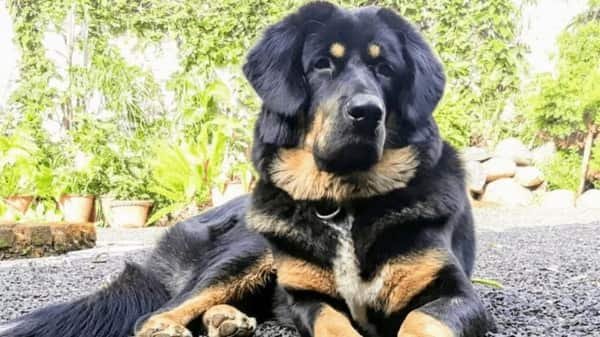
| Attribute | Details |
| Breed Name | Gaddi Kutta (Gaddi Mastiff / Himalayan Sheepdog / Indian Panther Hound) |
| Origin | Himachal Pradesh and Uttarakhand — bred by Gaddi shepherds |
| Size | Large: 30–55 kg, 55–76 cm |
| Lifespan | 10–14 years |
| Temperament | Loyal, fearless, protective, intelligent, independent, calm without threat |
| Coat | Long, dense double coat — various colours; black-and-tan common |
| Price Range (2026) | Rs. 5,000 – Rs. 30,000 |
| KCI Recognition Status | Under review for native breed registration; limited formal registration exists |
| Monthly Maintenance | Rs. 4,000 – Rs. 10,000 |
| Best For | Himalayan foothills farms, large rural properties, experienced working dog handlers |
| Natural Habitat | Best kept at altitudes above 1,000 m; genuine Gaddi country is 1,500–3,500 m |
| Climate Suitability | Excellent in North Indian hills and Himalayan foothills; poor in hot plains cities |
About the Gaddi Kutta (Himalayan Sheepdog / Indian Panther Hound)
The Gaddi Kutta has been the working companion of the Gaddi people — a semi-nomadic shepherd community of the Dhauladhar and Kullu ranges — for centuries. These dogs accompany herds of sheep and goats through the high Himalayan passes during the summer transhumance (seasonal migration to higher pastures), protecting livestock from predators that include leopards, wolves, and even snow leopards at extreme altitudes.
A remarkable characteristic of the Gaddi Kutta is the documented belief among its Gaddi handlers that the breed has a jaw strong enough to crack a leopard’s skull — giving rise to its alternative name “Indian Panther Hound.” While this may be folkloric exaggeration, it reflects the breed’s genuine reputation for ferocious effectiveness against large predators in its natural mountain environment.
The Gaddi Kutta’s formal recognition as a distinct breed has been an ongoing discussion within the Kennel Club of India and Indian dog breeding communities through 2022-2025. The KCI’s broader initiative to document and recognise India’s indigenous breeds has brought the Gaddi Kutta increasing attention, though formal studbook establishment remains in progress. The Indian Army and paramilitary forces have explored the Gaddi Kutta for mountain surveillance and high-altitude working roles where imported breeds struggle with thin-air adaptation.
Gaddi Kutta (Himalayan Sheepdog / Indian Panther Hound) Price in India 2026 — City-Wise Breakdown
Gaddi Kuttas are primarily available through breeders and owners in Himachal Pradesh, Uttarakhand, Jammu & Kashmir, and occasionally Punjab. Commercial availability outside these regions is very limited. Prices below reflect current market observations as of early 2026.
| City / Category | Min Price (INR) | Max Price (INR) |
| Himachal Pradesh (Kullu, Manali, Shimla) | Rs. 5,000 | Rs. 20,000 |
| Uttarakhand (Dehradun, Mussoorie region) | Rs. 5,000 | Rs. 18,000 |
| Jammu & Kashmir | Rs. 4,000 | Rs. 16,000 |
| Punjab / Haryana (from Himalayan sources) | Rs. 8,000 | Rs. 25,000 |
| Delhi / NCR (rare availability) | Rs. 12,000 | Rs. 30,000 |
| Mumbai / Bangalore (very rare) | Rs. 15,000 | Rs. 30,000 |
| Working Farm Dog Quality (local) | Rs. 4,000 | Rs. 10,000 |
| Show/Exhibition Type (if available) | Rs. 15,000 | Rs. 30,000 |
Gaddi Kuttas are not commercially bred at scale — most are from working farm stock in Himalayan communities. Prices are significantly lower than imported guardian breeds of similar capability (Kangal, Alabai) precisely because they are indigenous. The relative rarity of show-quality or documented-bloodline Gaddis outside their native region drives urban prices higher.
Temperament & Suitability
The Gaddi Kutta’s temperament reflects its origin as a mountain livestock guardian — calm and measured when no threat is present, but decisive and fearless when it perceives danger to its charges or territory. They bond deeply with their shepherd family and are gentle and patient with the livestock they guard, while maintaining an alert wariness toward strangers and unfamiliar animals.
Unlike many European guardian breeds that have been refined for household companionship over generations, the Gaddi Kutta retains strong working dog instincts. It is independent in decision-making (a necessity for a dog that guards unsupervised in mountain terrain), has a powerful territorial sense, and can be challenging for inexperienced handlers to manage. Early socialisation is important, particularly if the dog will be kept near children or in urban environments.
In their natural Himalayan environment, Gaddi Kuttas are remarkable — calm, confident, and deeply at peace in their landscape. In urban Indian settings — particularly hot plains cities — they become stressed, uncomfortable, and behaviorally challenging. The breed is genuinely best-kept in Himalayan foothills or at altitude.
Factors That Affect the Price
- Geographic Origin: Dogs from working Gaddi shepherd families in Himachal/Uttarakhand represent the most authentic bloodlines
- Working vs Urban Stock: Working farm dogs are the purest type; urban-bred Gaddis may have mixed heritage
- Size & Build: Larger, more powerfully built individuals are preferred for working roles and command higher prices
- Coat Quality: Long, dense, weather-resistant coat in good condition signals proper breeding
- KCI/Breed Club Documentation: Very limited formal documentation exists; most transactions are informal within shepherd communities
- Transport Cost: Getting a Gaddi Kutta from Himachal/Uttarakhand to a plains city adds Rs. 3,000–Rs. 8,000
Health & Lifespan
The Gaddi Kutta, like most indigenous Indian breeds, has a naturally robust health profile shaped by centuries of natural selection in demanding mountain conditions. They are generally free of the hereditary conditions that affect popular purebred imported breeds. Hip dysplasia occurs at lower rates than in many large European breeds. Their primary health management requirements are standard working dog care: complete vaccination schedule, regular deworming (particularly important for dogs in contact with livestock), and tick prevention (ticks carry serious tick fever in Himalayan regions).
A specific health consideration for Gaddi Kuttas moved to plains cities is heat management. Their dense mountain coat — perfectly suited to Himalayan winters — becomes a liability in hot plains summers. AC during warm months, limited midday outdoor activity, and regular coat maintenance to remove dead undercoat are important adaptations for plains-dwelling Gaddis.
Monthly Maintenance Cost in India (2026 Estimate)
- Food (working dog appetite): Rs. 1,500 – Rs. 3,500/month
- Professional Grooming: Rs. 800 – Rs. 1,500/session; every 6–8 weeks
- Veterinary Care: Rs. 5,000 – Rs. 12,000 annually
- Vaccinations & Preventives (livestock-environment): Rs. 2,000 – Rs. 4,000 annually
- Housing Infrastructure (for large dog): Requires substantial outdoor space; not an apartment dog
- Total Estimated Monthly Cost: Rs. 4,000 – Rs. 10,000
Conclusion
The Gaddi Kutta is one of India’s hidden gems in the working dog world — an ancient Himalayan guardian of remarkable capability, deep loyalty, and genuine cultural heritage that deserves far more recognition than it currently receives. In 2026, the Gaddi dog price in India is accessible, particularly compared to expensive imported guardian breeds of similar capability. For buyers in Himalayan foothills regions who want an authentic Indian working guardian, the Gaddi Kutta represents both the most appropriate and the most meaningful choice — a living connection to centuries of shared history between the Gaddi people and the mountains they call home.
Frequently Asked Questions (FAQs)
Q1. What is the Gaddi dog price in India in 2026?
A: Gaddi Kutta prices range from Rs. 4,000 to Rs. 30,000 in 2026 depending on location, bloodline, and working quality. Dogs available directly from Gaddi shepherd communities in Himachal Pradesh are priced Rs. 4,000–Rs. 20,000. Urban availability is rare, with prices in Delhi or Mumbai reaching Rs. 20,000–Rs. 30,000 when available.
Q2. What is the Gaddi Kutta’s alternative name?
A: The Gaddi Kutta is also known as the Himalayan Sheepdog and the Indian Panther Hound — the latter reflecting the breed’s legendary reputation among Gaddi shepherds for ferocity against leopards. The term “Gaddi” refers to the Gaddi community of Himachal Pradesh and Uttarakhand who developed the breed.
Q3. Is the Gaddi Kutta KCI recognised?
A: The Gaddi Kutta is in the process of formal documentation and recognition within India’s kennel club framework as of 2026. The KCI’s ongoing initiative to document indigenous Indian breeds has included the Gaddi Kutta in preliminary discussions, but a fully established studbook and formal breed standard are still in development. This means formal KCI registration papers are generally not available for current Gaddi purchases.
Q4. Can a Gaddi Kutta be kept as a pet in an Indian city?
A: With significant accommodations. The Gaddi Kutta is a mountain working dog that is most content at altitude with large territory to patrol. In plains cities, it requires substantial outdoor space (apartment living is entirely inappropriate), cool or air-conditioned environments in summer, experienced handling, and significant daily exercise. Urban keeping of Gaddi Kuttas is genuinely challenging and not recommended for inexperienced large-breed owners.
Q5. How does the Gaddi Kutta compare to the Kangal or Alabai?
A: All three are ancient livestock guardian breeds of formidable capability. The Kangal (Turkey) has the highest recorded bite force of any domestic dog. The Alabai (Central Asia) is known for its calm independence and ancient heritage. The Gaddi Kutta is India’s equivalent — similarly ancient, similarly capable as a mountain guardian, and significantly more affordable and culturally relevant for Indian buyers. Its advantage over imported guardians in Indian mountain environments is genuine acclimatisation to the subcontinent.